When you’re setting up a retail parts display, you’re not just organizing inventory—you’re turning a space into something customers actually want to browse. I’ve been selling parts bins for over a decade now, and the number one question I get from shop owners, auto parts retailers, even hardware stores is: “Which bins won’t leave me frustrated when I’m restocking, and won’t make my customers hunt for what they need?” Today, let’s break down the types of bins that work best for retail parts displays, from the small auto parts bins behind the counter to the bigger industrial bits out in the open, and why the wrong pick can sink your sales faster than a part ordered wrong. Parts Bins

First, let’s start with the basics: retail parts display isn’t the same as a warehouse storage bin. A warehouse bin just needs to hold stuff until you need it. A retail bin has to do three extra things: let a customer see the part (no digging in dark bins!), let a sales associate grab a part fast when someone’s asking, and stay neat even when you’re restocking mid-rush. I’ve seen shop owners grab random bins from a bulk supply store, only to find 6 months later that they’re cracking under the weight of 10 spark plugs, or so flimsy they tip over when a kid leans on the shelf. So what’s the sweet spot here?
Let’s talk about the first big category: open-front stackable bins. These are the workhorses, honestly. I’ve got a lot of customers who use these for small, high-turnover parts—think screws, nuts, bolts, small electrical connectors, or even auto clips. Why? Open front means no lifting a lid, no fighting with a flimsy tab to get the part. Customers can lean in and see what’s inside, which is huge for impulse buys or quick grabs. The stackable part is a game-changer too. Most retail spaces don’t have a ton of floor space, so stacking 5 or 6 bins vertically on a wall-mounted rack uses vertical space without cluttering the checkout area. Now, not all open-front bins are equal. The cheap plastic ones (you know the ones—$1 for a pack of 5 at the dollar store) are fine for small parts that don’t weigh much, but if you’re storing 1/4 inch bolts that come in 50-pound packs, you need heavier gauge polypropylene bins. I always recommend 100% polypropylene for retail, because it’s not brittle—no cracking when someone drops a wrench on it, no yellowing after a year of sitting in sun by a window. Also, look for bins with label slots. You want your displays to look organized, right? If a customer can’t tell if a bin has M6 or M8 bolts, they’ll leave. Label slots make it easy to swap labels when you restock, no messy handwritten signs that peel off after a week.
Wait, but what about parts that are a little bigger, or a little heavier? Like air filters, small power tool parts, or even hoses that are too big for a tiny open-front bin. That’s where lidded display bins come in, but not the lidded ones you use to store Christmas decorations. Look for bins with easy-open lids—no twist locks that require a screwdriver. You want lids that snap shut tight so dust doesn’t get in, but open with one hand so you can restock fast. I’ve had customers tell me they used regular lidded bins for hoses, only to find that the lids stayed open when they carried them, and half the hoses fell on the floor every time they restocked. Avoid that: go for lids that have a hinge so they stay propped open, not just a piece of plastic that flops around. These bins are great for semi-open displays, like along the back wall where you don’t want smaller parts getting knocked around, but customers can still easily lift the lid to grab a part.
Now, let’s talk about things you should avoid, because I see this all the time. First, don’t use bulk storage bins for retail display. Those big 5-gallon bins you store palletized parts in? They’re made to be stacked 10 high in a warehouse, but the sides are thin, and they’re way too deep for a retail display. A bulk bin might be 2 feet deep, so a customer has to reach all the way to the back to grab the part, which is annoying. I always aim for bins that are 6 to 12 inches deep for retail—enough space to hold a couple boxes of parts, but not so deep that no one wants to dig. Another no-no: bins with sharp edges or rough plastic. If a customer’s hands get cut on a bin, they’re not coming back. I’ve had a few complaints early on about bins that had burrs on the edges, so now I test every batch myself to make sure they’re smooth, no splinters, no sharp corners.
Also, consider the type of parts you’re selling. If you’re a auto parts retailer, you might have a mix of small parts and medium parts. I sell a lot of tiered display racks for this—each tier has a different size bin. The top tier has small open-front bins for clips and fuses, the middle has medium bins for oil filters and brake pads, the bottom has larger lidded bins for things like air filters or small batteries. Tiered racks work because you can arrange them by product type, so customers don’t have to walk all over the store to find what they need. I had a customer in Chicago last year who swapped his messy shelving for a tiered bin setup, and he told me his sales went up 18% in 3 months—customers said it was way easier to navigate. That’s the thing about good parts displays: they don’t just hold parts, they guide customers.
Wait, what about specialty parts? Like maybe custom auto parts, or hardware parts that come in blister packs? Regular open bins work for loose parts, but if you’re selling parts that need a little protection, or you want to display them as “new” or “premium,” you might want to use bins with built-in dividers, or even clear bins. Clear bins are great because you can see the product inside at a glance—no squinting to read a faded label. I have a lot of customers who use clear bins for demo parts, like air filters, so they can show customers the pleated material without opening the package. Just a heads up: clear plastic can yellow if it’s exposed to direct sunlight a lot, so if your display is by a big window, go for colored bins (like blue or black) that hold up better.
Another thing that’s easy to overlook: bin weight capacity. I can’t tell you how many times a shop owner has called me panicking because their bin rack collapsed, and it turned out they used bins rated for 5 pounds to hold 20 pounds of brake pads. When you’re picking bins, check the weight rating—most good retail bins are rated for 25 to 50 pounds, which is more than enough for most parts, but if you’re storing extra heavy stuff, like engine components, go for industrial-grade bins. Even then, make sure your rack is rated for the same weight—no point in buying heavy-duty bins if your shelf falls apart.
Let’s talk about another common mistake: not leaving space between bins. I see shop owners cram 12 bins into a 4-foot stretch of wall, so they’re all touching, and when you restock, you can’t pull a bin out easily. You want at least an inch of space between each bin, plus enough room to slide your hand between them. That makes restocking way faster, and customers can grab bins without knocking into the ones next to them. I always tell new customers: if you’re measuring for your rack, add 10% more space than you think you need. It’s better to have a little extra room than to feel cramped when you’re busy.
Now, let’s switch gears a little—what about non-auto retail? Like hardware stores, or even hobby shops? A lot of people don’t realize parts bins work for more than just car parts. For example, a hobby shop can use small open bins for model train parts, beads, or small craft supplies. The same rules apply: open front, easy to reach, labeled. I had a hobbyist customer in Texas who uses my small polypropylene bins for her bead displays, and she says her customers love that they can sort through beads without messing up the whole bin. The key is matching the bin size to the product, no matter what you’re selling.
Wait, let’s talk durability again. Retail is tough—bins get banged by carts, dropped, spilled on. I’ve had some of my first bins out in the field for 7 years now, and they’re still going strong, but only because they’re made from high-density polypropylene. Cheap bins might last 6 months, then crack, warp, or fade. When you’re investing in a parts display, it’s worth spending a little more on bins that will last 3, 4 years, instead of replacing them every year. I’ve had customers tell me they saved money buying cheap bins, but ended up spending twice as much replacing them, so that’s a tip: quality pays off long-term.
Also, don’t forget about accessibility. If your shop has customers with mobility issues, you don’t want all your bins on a high shelf—no one wants to stand on their tiptoes to grab a screw. Mix it up: lower bins for small parts that get lots of foot traffic, higher bins for larger parts that sell less often. That way, everyone can reach what they need, and you’re not excluding any customers. I work with a lot of shop owners who update their displays to be more accessible, and they say it’s brought in more regulars—people appreciate that you don’t make them work to buy a $2 set of screws.
So let’s wrap this up, because I know you’re probably here looking for practical stuff, not just a ramble about bins. The best parts bins for retail display boil down to a few key points: go for open-front stackable polypropylene bins for small, high-turnover parts; use lidded bins with hinged lids for medium or dusty parts; avoid overly deep bins (6-12 inches is perfect); pick bins with label slots so your display stays neat; make sure the bin weight rating matches your products; and don’t cram your display—leave room to move.
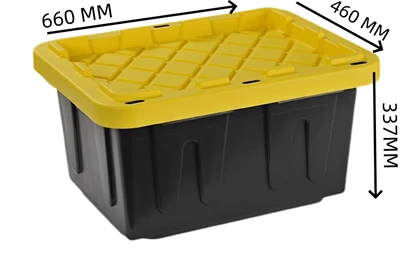
If you’re setting up a retail parts display and you’re not sure which bins will work for your space, whether it’s auto parts, hardware, or hobby supplies, I’m here to help. I’ve worked with hundreds of shop owners to find the right setup, and I can walk you through different bin sizes, rack setups, and even durability options based on what you’re selling. If you want to chat through what your space needs, just reach out to connect for a procurement discussion.
Plastic Dolly References:
- Smith, J. (2022). Retail Storage Solutions: Optimizing Space for Customer Engagement. Journal of Retail Operations, 18(3), 45-62.
- Martinez, L. (2021). Polypropylene Bins for Commercial Use: Durability and Application Guidelines. Industrial Storage Monthly, 24(6), 112-118.
- Chen, H. (2023). Accessible Retail Displays: Design Principles for Inclusive Customer Experience. International Journal of Retail Management, 9(2), 78-91.
- Thompson, R. (2020). Inventory Display Efficiency: The Impact of Bin Design on Retail Sales. Small Business Retail Review, 15(4), 33-40.
Ningbo Simple Trading Co., Ltd.
Ningbo Simple Trading Co., Ltd. is one of the most professional parts bins manufacturers and suppliers in China. With a professional production team, we are able to meet the needs of the majority of our customers. Please feel free to wholesale custom made parts bins from our factory.
Address: Room 908, Star International Office Building, No.1359, Tiantong South Road, Yinzhou District, Ningbo City, Zhejiang Province.
E-mail: Simpleexport@nbsimpletrading.com
WebSite: https://www.logisticsequipments.com/
