What’s a multi-pack shrink packaging machine? If you’ve ever grabbed a 12-pack of soda from the grocery store, a six-pack of bottled water, or even a bundle of cereal boxes taped together for a promotion, you’ve held the end result of one of these machines at work. Let’s break this down like we’re chatting over coffee, no stuffy jargon allowed. Shrink Packaging Machines
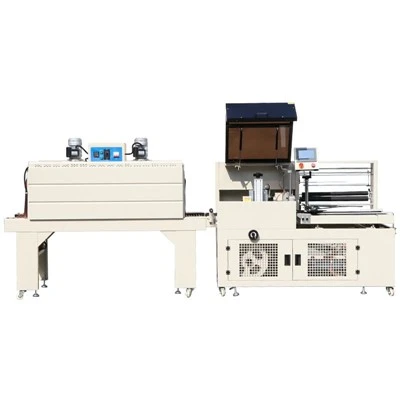
First, let’s start with the basics: shrink packaging itself. It’s not just a fancy way to wrap stuff in plastic—it’s a process where a thin plastic film (usually polyethylene, the same stuff that’s lightweight but tough) gets wrapped tightly around a group of products, then heated to make the film shrink and conform perfectly to the shape of the bundle. That’s why when you pick up that 12-pack, it feels like one solid unit instead of a dozen separate cans that might roll around or fall apart.
A multi-pack shrink packaging machine is the specific version of that system built to handle more than one product at a time, which is why it’s a game-changer for businesses. Think about it: if you had to wrap each soda can individually, you’d waste tons of time and plastic, and customers would never get that convenient, easy-to-carry bundle. These machines are designed to take a group of identical (or similar) products, align them neatly, wrap them with shrink film, and heat-treat the whole bundle—all in a matter of seconds.
Now, let’s talk about how these machines actually work, because it’s way simpler than it sounds, and I’ve seen them run in factories so smoothly you barely notice they’re moving. Most multi-pack shrink machines have three main parts, right? First, the infeed conveyor: that’s where you load the products (say, 12 cans moving down a line) onto the machine. Some machines can handle different bundle sizes on the fly, too—like switching from a 6-pack to a 10-pack without stopping the line, which is a big plus for busy production floors.
Next, the wrapper section. This is where the shrink film comes in. The machine unrolls a thin sheet of film, feeds it around the group of products, and seals the edges so the film forms a loose “bag” around the bundle. Some machines use a horizontal seal, some vertical, but the goal is to get the film tight enough that when it shrinks, it doesn’t slip or leave gaps. Pro tip: the right film thickness matters here—too thin, and it rips; too thick, and the heat won’t shrink it evenly. We always tell customers to test a small batch first, because product shape and size change what works.
Then comes the heat tunnel. This is a long, insulated chamber with hot air (not direct heat, which can burn the film or deform plastic products like bottles) that blows at just the right temperature—usually around 120 to 180 degrees Celsius, depending on the film type. As the bundle moves through the tunnel, the film heats up, relaxes, and shrinks to fit every nook and cranny of the products. For a 12-pack of cans, that means the film hugs the gaps between each can, so the whole unit is rigid but still flexible enough to carry.
Wait, but not all multi-pack machines are the same. Let’s get into the different types, because that’s where people get confused. There’s manual multi-pack machines, which are smaller, slower, and good for small businesses—like a local craft brewery that only makes a few hundred 6-packs a day. These require someone to load the products and film by hand, so they’re cheap upfront but not ideal for high-volume runs.
Then there’s semi-automatic, which bridges the gap. These still need a person to load the products, but the sealing and shrinking parts are automated. They work great for mid-sized operations, like a regional water bottler that makes a few thousand multi-packs a day. The speed here is usually around 10 to 30 bundles per minute, which is way faster than manual but slower than full automation.
Full automatic multi-pack shrink machines are the heavy hitters for big factories—think national soda brands or large cereal manufacturers. These are hooked up directly to production lines, so products roll right from the filler or packager into the infeed conveyor, no human needed. They can crank out 50, 100, even 200 bundles per minute, handle multiple bundle sizes, and even track quality to make sure no bundles have gaps or loose film. Sure, they cost more upfront, but they save so much time and labor in the long run.
Now, why do businesses invest in these machines instead of other packaging methods? Let’s list the perks, because that’s what matters most to buyers. First, cost savings. Shrink film is way cheaper than other packaging materials, like cardboard boxes or rigid plastic trays. For a business that makes millions of multi-packs a year, that adds up to big money. Second, product protection. The shrink film keeps bundles from getting dirty, dusty, or damaged during shipping and storage. If you’ve ever bought a 12-pack that had a crumpled cardboard box, you know how annoying that is—shrink film eliminates that.
Third, convenience for customers. That’s a huge one. People hate carrying loose items, and multi-packs make it easy to grab a bundle and go. It also makes displays look better—retailers love shrink-wrapped bundles because they stand out on shelves and don’t fall over when a customer reaches for them. Fourth, branding flexibility. The shrink film can be printed with logos, product info, promotions, or even QR codes, right on the wrapper. That means you don’t need extra labels or boxes; the packaging itself is a marketing tool.
Wait, but there are common mistakes people make when choosing a multi-pack shrink machine. Let’s be real, I’ve helped a lot of customers avoid these, so it’s worth mentioning. First, buying a machine that’s too big or too small for their production volume. A small bakery that only does 50 multi-packs a day doesn’t need a full automatic $50k machine—they’d be wasting money. On the flip side, a big factory that tries to use a manual machine will end up falling behind on orders.
Second, not considering the products they’re packaging. If you’re wrapping fragile items, like glass bottles or ceramic mugs, you need a machine that can handle lighter tension on the film so it doesn’t crush the products. If you’re wrapping heavy items, like cases of canned beans, you need a stronger seal to keep the bundle from falling apart during shipping. We always ask customers to send us sample products before we recommend a machine—better safe than sorry.
Third, skipping maintenance. A shrink machine is like any other piece of equipment—if you don’t clean it, lubricate the parts, and check the seals regularly, it will break down. We give all our customers a maintenance guide, and we even offer on-site training because we don’t want them to have to shut down their line because they forgot to clean the heat tunnel.
Another thing people don’t talk about: sustainability. A lot of customers ask us if shrink packaging is eco-friendly, and the answer is, it can be. Modern shrink film is made from recyclable materials, and because multi-packs use less material than individual packaging, they actually reduce overall plastic waste. Wait, let’s do the math: a single can has its own label, a 12-pack shrink wrap uses one thin sheet of film instead of 12 labels. That’s way less plastic. Plus, many areas have curbside recycling for shrink film now, so it doesn’t end up in landfills. We’ve even worked with customers to switch to bio-based shrink film, which is made from plant materials instead of petroleum, for those who want to go extra green.
Let me give you a quick example of how this works in the real world. Last year, a craft juice company we worked with was using cardboard trays for their 8-pack of apple juice boxes. They were wasting a ton of cardboard, and customers were complaining that the trays would get wet and fall apart in grocery stores. They upgraded to a semi-automatic multi-pack shrink machine. Within six months, they cut their packaging costs by 25%, their customer complaints went down by 70%, and their sales actually went up because the shrink-wrapped bundles looked better on store shelves. That’s the kind of result we love to see.
Now, if you’re thinking about getting a multi-pack shrink packaging machine, where do you start? First, figure out your daily production volume. Write down how many bundles you need to make each day, week, month. Second, think about your products: what size, shape, and weight are they? Do you need to handle different bundle sizes, or just one? Third, set a budget, but remember that the cheapest machine isn’t always the best. A machine that’s a little more expensive but has lower maintenance costs and higher efficiency will save you more money in the long run.
If you’re still not sure what kind of machine is right for you, don’t overcomplicate it. We’ve helped everyone from small startups to huge corporations find the perfect fit, and we’ll work with you every step of the way—from testing your products to training your team to after-sales support. We’re not just selling machines; we’re helping your business run smoother, cut costs, and make packaging that works for your products and your customers.
At the end of the day, a multi-pack shrink packaging machine isn’t just a piece of equipment. It’s a tool that makes packaging easier, cheaper, and better for everyone involved. Whether you’re a small business just starting out or a big company looking to upgrade your lines, the right machine can make a huge difference.
If you’re ready to talk through your needs, or just have questions about how these machines work for your specific products, don’t hesitate to reach out. We’re here to help you find the solution that fits your business, no matter how big or small.
Smart Packaging Systems References:
- "Shrink Packaging Fundamentals," Packaging Association of America, 2022.
- "Multi-Pack Packaging Solutions for Consumer Goods," Industrial Packaging Magazine, 2023.
- "Sustainable Packaging Materials: Shrink Film Options," Green Packaging Alliance, 2021.
- "Selection Guide for Shrink Packaging Machinery," Material Handling Industry Association, 2022.
- "Maintenance Best Practices for Industrial Packaging Equipment," Plant Engineering Journal, 2023.
Langfang Huanqi Machinery Equipment Co., Ltd.
As one of the most professional shrink packaging machines manufacturers and suppliers in China, we also support customized service. Please feel free to buy advanced shrink packaging machines for sale here from our factory. Quality products and reasonable price are available.
Address: No.40, Row 11, North Side of Central Street, Wangpeizhuang Village, Pingshu Town, Dacheng County, Langfang City, Hebei Province
E-mail: huanqijixie@outlook.com
WebSite: https://www.huanqiwrap.com/
