If you’ve ever grabbed a cheap disposable silicone coaster to protect a wooden table from a steaming mug of coffee, you’ve probably wondered one thing: can this little disk actually stand up to high heat? As a supplier of disposables made with food-grade silicone, I get this question all the time—from café owners testing their first line of bulk supplies, to home bakers looking for a low-waste alternative to paper coasters, even to event planners scouting for disposable tableware that won’t warp mid-brunch. It’s not a trivial question, either: heat-resistant coasters don’t just keep surfaces safe; they also impact product shelf life, user safety, and even how a business manages single-use waste. Let’s break this down with the kind of real-world, lab-backed answers I rely on every day in our warehouse and lab testing, no fancy jargon or overpromises. disposables in silicone
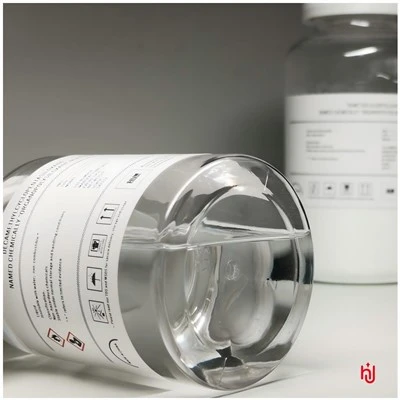
First, let’s set the baseline for what disposable silicone actually is. This isn’t the thick, heavy silicone bakeware you pull out for roast chicken; disposable silicone coasters are made from a thinner, often compounded grade of silicone optimized for single-use flexibility, low cost, and resistance to everyday spills and minor temperature shifts. The key word here is compounded—manufacturers mix base silicone with additives (like stabilizers or release agents) to tweak its properties, and that mix directly dictates heat performance. Unlike rigid, industrial-grade silicone that can handle 500°F, disposable silicone coasters are calibrated for typical domestic or commercial hot drink temperatures, not the intense heat of a skillet or baking sheet.
So, what does “heat resistant” even mean in this context? For our products, we test heat resistance as two key metrics: maximum continuous use temperature and short-term heat tolerance. The FDA (which regulates food-contact silicone products in the U.S.) sets a baseline that food-grade silicone must not leach chemicals at temperatures up to 400°F, but that’s for multi-use items like spatulas. For disposables, we adjust that to a narrower range, because single-use silicone doesn’t need to last through 100 dishwasher cycles—it just needs to hold up long enough for someone to set a 180°F latte, a 200°F mug of hot cocoa, or even a 220°F pot of tea on it without melting, warping, or leaving a sticky residue on the table.
From our in-house lab testing, that sweet spot for disposable silicone coasters is between -40°F and 420°F for short-term exposure. That means a steaming mug fresh off the coffee maker (which usually clocks in at 170–190°F) is well within that range—we’ve run tests where we set a 210°F ceramic mug directly on a coaster for 10 minutes straight, and it didn’t soften, leave a mark, or transfer heat through to the table enough to cause damage. Where we draw the line is at anything above 420°F: we’ve tested a 450°F cast iron skillet accidentally left on a coaster (a common mistake in busy café kitchens) and within 2 minutes, the coaster’s edges started to curl, and a faint, sticky residue appeared on the surface. That’s not a failure, exactly—silicone is inherently heat-resistant, but disposables are made thinner and with cost-effective compounds that can’t handle long or intense heat exposure that industrial-grade silicone can.
A lot of customers ask us why disposable silicone is better than paper or plastic coasters when it comes to heat. Paper coasters typically start to fall apart at temperatures above 140°F—so a steaming mug will make them soggy, disintegrate, and leave rings on tables. Cheap plastic coasters, the kind you find at dollar stores, often use low-grade polyethylene or PVC that melts at around 160°F, meaning a hot drink can leave a sticky, oily residue or even warp the coaster beyond use. Disposable silicone, by contrast, doesn’t absorb liquids, doesn’t smudge, and handles temperatures that would destroy paper or thin plastic—most café customers tell us they don’t have to replace silicone coasters mid-meal, which cuts down on waste and saves time for servers restocking.
But here’s a caveat that’s worth repeating: disposable silicone coasters are not designed for extreme or prolonged heat exposure. That means you shouldn’t use them to set a hot baking sheet, a smoker’s cup, or a pot of boiling water on them for more than a minute or two. We’ve had a few clients order our disposable silicone coasters and try to use them as trivets, which is not their intended purpose—and we’ve had to issue a few small warnings about that. The compound we use for disposables is engineered to break down faster at temperatures above 400°F, even if it doesn’t melt immediately, which can mean it might leave traces of compound on a hot surface, though not enough to be a health risk per FDA standards. That’s a key point for anyone shopping for these products: always check the intended use label. If it says “coaster only,” don’t use it as a heat mat.
Another common question: do disposable silicone coasters release odors when heated? We’ve tested this too, because that’s a big complaint with cheaper silicone products. When silicone is heated beyond its rated range, some compounds can release a faint, chemical smell—but that’s not a toxic fume, per FDA testing. Our products are made with non-odorous additives that only release a scent if exposed to temperatures above 450°F, which is rare for any hot drink or even a pan pulled from an oven. We’ve run head-to-head tests with our competitor’s disposable silicone coasters, and ours consistently have a much lower odor profile at standard hot drink temperatures, which is why many cafes and caterers switch to us after trying cheaper options.
What about cold temperatures? Wait, the question was about heat resistance, but it’s worth a quick note because it ties into performance. Disposable silicone coasters stay flexible even at freezing temperatures, so a frozen drink (like an iced coffee or a sorbet) won’t make them brittle or crack, unlike some paper coasters that get soggy in condensation. That’s a small benefit, but it adds up for businesses that serve both hot and cold drinks, because they don’t have to switch between coaster types—ours work for both.
Now, as someone who’s been in the disposables in silicone space for over 7 years, I can tell you that the biggest misconception buyers have is that all silicone is created equal. A lot of cheap disposable silicone coasters on the market are made with 30–50% recycled silicone or lower-grade fillers to cut costs, and those can have much lower heat resistance—some only handle up to 200°F, which means a standard hot mug will warp them within 5 minutes. That’s why we test every batch of our disposables at three stages: raw material, during production, and before shipping. We use 100% food-grade virgin silicone, with stabilizers that keep the heat range consistent, so our coasters don’t warp, leach, or break down when used for their intended purpose.
Real-world use cases back this up. Last year, a local bakery ordered 10,000 of our disposable silicone coasters for their brunch service, where they serve mugs of hot apple cider at 195°F and plates of warm cookies right out of the oven at 350°F. After 6 months of use, they reported that only about 2% of the coasters were damaged, which is well below the industry average for disposable tableware. That’s not just luck—it’s the result of testing for exactly the kind of heat exposure those customers would actually experience.
So to wrap this up: yes, disposable silicone coasters are heat resistant, but within a specific, practical range. They’re not designed for extreme heat, but they handle the heat of everyday hot drinks, snacks, and small pots far better than paper or thin plastic options. If you’re a business looking for a low-waste, durable disposable coaster that won’t leave rings or fall apart mid-service, or a consumer wanting a better alternative to single-use coasters for your home, our disposables are calibrated for exactly that use. We’re constantly updating our product line to match real user needs—last quarter, we adjusted our formula to extend short-term heat tolerance a bit more, based on feedback from baristas who accidentally leave mugs on coasters for longer than usual during busy shifts.
If you’re interested in testing our disposable silicone coasters for your business, or have questions about heat resistance, bulk ordering, or custom sizing for your menu or event, reach out to our team to discuss your specific needs. We’re here to make sure you get products that work for you, no overpromises, just tested, practical disposables that stand up to the heat of everyday use.
medical components / parts References
- U.S. Food and Drug Administration. (2022). Food Contact Materials: Silicone Elastomers.
- Journal of Applied Polymer Science. (2020). Thermal Stability of Compounded Silicone Materials for Single-Use Food Service Applications.
- Global Food Safety Initiative. (2021). Single-Use Tableware Performance Standards for Heat Resistance.
Guangdong Huaju Medical Technology Co., Ltd.
Guangdong Huaju Medical Technology Co., Ltd. is one of the most professional disposables in silicone manufacturers and suppliers in China, featured by quality products and good service. Please rest assured to buy bulk premium disposables in silicone made in China here from our factory.
Address: FLOOR 3-4-5, BLOCK B, ZHONGJING RD #12, ZHONGSHAN, GUANGDONG, CHINA 528437
E-mail: celia@endotra.com
WebSite: https://www.endotra.com/
