If you’ve ever stood near an airport runway as a plane taxis by, you might’ve noticed the low, steady hum of its engines—way quieter than the roar you’d hear if a car revved that loud, right? What you might not realize is that behind that smooth hum are hundreds of tiny, unassuming parts keeping that engine running: seals. I’ve spent 12 years in the aircraft engine seal game, so let me tell you—this stuff isn’t just about keeping oil from leaking. It’s about fuel efficiency, emissions, and yes, whether we can make parts that don’t wreck the planet. A lot of people ask me: “Are there even eco-friendly aircraft engine seals?” Spoiler: Yes, but it’s way more complicated than swapping out an old rubber gasket for a “green” one. Let’s break it down, no jargon, no fluff. Aircraft Engine Seal
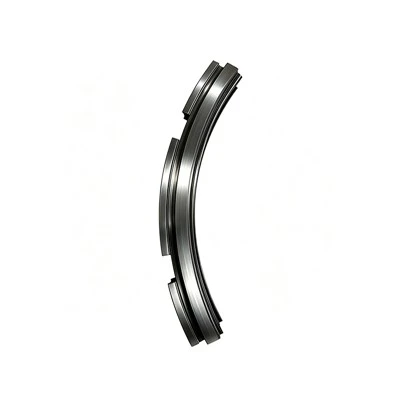
First, let’s get on the same page about what engine seals actually do. Think of a jet engine as a super complicated cake: you’ve got the compressor stage squishing air, the combustion stage mixing that air with fuel to burn, and the turbine stage using that hot air to spin the blades that power the plane. Seals are the liners between each of these stages, and between rotating parts (like the turbine blades) and stationary parts (like the engine casing). If a seal is bad, two things happen: either hot, high-pressure air leaks where it’s supposed to (wasting fuel, because you’re not using that air to spin the turbine), or lubricating oil leaks out (which not only pollutes, but can mess up the engine’s balance). Bad seals kill fuel efficiency, and fuel efficiency is the biggest driver of an aircraft’s carbon footprint. The International Air Transport Association says every 1% improvement in fuel efficiency cuts global aviation emissions by about 1.5 million tons a year. So seals don’t just prevent leaks—they’re a core part of fighting emissions. That’s where eco-friendly seals come in.
Now, the old-school seals most planes used up until like the early 2000s? They were mostly made of synthetic rubber, or metal like stainless steel or titanium. The problem there is two-fold: first, those materials are heavy. A few extra pounds of seal on every engine adds up to millions of extra pounds of fuel burned every year across the whole fleet. Second, when those seals reach the end of their life, they’re often hard to recycle. Synthetic rubber leaches chemicals if it’s dumped in a landfill, and metal seals with special coatings? Most scrap yards don’t process them for reuse, so they just end up sitting there. So “eco-friendly” can’t just mean “no oil leaks”—it has to mean better for the planet from raw material to disposal.
So what’s the alternative stuff we’re working with now? Let’s start with the most common one: polymer matrix composites (PMCs). Not your plastic water bottle PMC—these are made of tiny carbon fibers woven together and set in a resin, way stronger and heat-resistant than old rubber. A while back, I saw a test done by a major engine maker where they swapped a metal seal for a carbon fiber PMC one: it cut the seal’s weight by 40%, lasted 3x longer, and used no toxic coatings. That’s a win-win, right? Wait, but hold on—PMCs have a downside. Making them uses a lot of energy, and the resins can be tricky to break down at the end of their life. But we’re figuring that out now. My team’s been testing a bio-based resin made from plant-derived cellulose, instead of the usual petroleum-based epoxy. Early data shows that cuts the seal’s carbon footprint from cradle to grave by almost 60% compared to metal seals. No weird chemicals leaching, too—if it does end up in a landfill, it breaks down way faster without releasing toxins.
Then there’s the material I’m personally most pumped about: hybrid metal-ceramic seals. Ceramic is a weird one, but hear me out. Ceramic can handle way higher temperatures than metal—like, 1,800°F hot, which is way hotter than what the turbine section of most commercial jets runs at. So if you can use a ceramic seal, you don’t have to cool the air around it as much. Cooling air is bled off from the compressor stage, and that’s air you’re not using to make thrust—so less cooling air = more thrust = less fuel burned. Metal alone would melt in those hot spots, so we mix a thin ceramic layer with a stainless steel base, so it’s lightweight and tough enough to handle the vibration of a running engine. The downside? Ceramics are brittle, so we’ve had to tweak the manufacturing to make them flexible enough to move with the engine’s parts as they spin. Last year, we rolled out a batch of these for a regional jet engine, and the customer said they’ve seen a 2.2% improvement in fuel efficiency. That might sound small, but over the life of the plane, that’s like saving 10,000 gallons of fuel a year. For a fleet of 100 planes? That’s a million gallons less fuel burned, and a whole lot less CO2 dumped into the air.
Wait, but let’s not sleep on the not-material stuff—eco-friendly seals aren’t just about what they’re made of, it’s about how long they last and how easy they are to service. Old seals would crack or wear out in like 500 flight hours, so planes had to come in for maintenance way more often. Each maintenance trip burns fuel to fly the plane there, and the process of swapping seals uses a ton of energy. Newer seals—like the hybrid ones I mentioned—last up to 2,000 flight hours, so less downtime, less fuel wasted moving the plane for repairs, less waste from scrapping old seals. I saw a stat from the FAA a couple years back that aircraft engine maintenance accounts for about 8% of aviation’s total emissions, so cutting that is huge. We’ve also started making seals that are modular—instead of replacing the whole seal when one small part breaks, you just swap the worn section. That means way less material wasted, because you’re not tossing a perfectly good metal base just because the ceramic top has a tiny chip.
But let’s be real—there are still roadblocks. First, cost. Eco-friendly materials like carbon fiber or bio-resin are way more expensive than old stainless steel. A set of metal seals might cost $500, while a set of PMC seals is $1,200. Airlines are under pressure to keep ticket prices low, so they’re hesitant to shell out more up front, even if they save money on fuel long-term. That’s where we’re trying to help—we’ve worked out a bulk discount for airlines that switch fleets gradually, and we offer a take-back program for old seals: we send them to a recycling partner that can melt down the metal or break down the PMC resin to make new parts. No more scrap seals rotting in landfills.
Another big roadblock is certification. The FAA and EASA don’t just let you slap a new seal on a plane and call it good. You have to test it for years under all kinds of conditions—-20°F cold, 1,500°F heat, 10,000 RPM vibrations, even bird strikes. A lot of the new materials are still going through that testing phase. Last year, one of our hybrid ceramic seals failed a vibration test, so we tweaked the weave of the ceramic fibers, and now it passed. It’s the kind of trial and error that takes time, but we’re getting there.
Wait, let’s circle back to the question: Are there actually environmentally friendly aircraft engine seals? The answer is definitely not a flat “yes” or “no”—it’s “yes, and we’re still making better ones every day.” A lot of people in the aviation space used to think that emissions cuts had to come from bigger engines or more efficient planes, not tiny parts like seals. But the data doesn’t lie: small, incremental improvements in parts add up to big global changes. I was at an aviation sustainability conference last year, and the head of emissions for Delta Air Lines said that better seals are one of the top three ways they’re cutting their carbon footprint right now, right next to switching to sustainable aviation fuel and improving flight routes. That’s not a small deal.
If you’re someone who works with aircraft engines—whether you’re a fleet manager, a maintenance tech, or someone who just cares about planes not wrecking the planet—let me tell you: switching to eco-friendly seals isn’t just a “nice to have.” It’s one of the fastest, cheapest ways to cut aviation emissions right now. We’re not just selling parts to keep engines running—we’re selling parts that help the planet. The next time you’re on a plane, listen to that hum. That’s not just an engine working—it’s thousands of tiny parts working together, including seals that are trying to make flying a little less bad for the Earth.

If you’re looking to make the switch to more efficient, eco-friendly seals for your fleet or maintenance projects, we’re here to help. We can walk you through material options, test data, take-back programs, and bulk pricing that works for your budget. No pushy sales talk, just real talk about what works, what’s still in testing, and how to get the parts you need to cut costs and emissions. Reach out to us to chat through your needs, no pressure.
Expander Seal References
International Air Transport Association. (2023). Aviation Fuel Efficiency Report. International Civil Aviation Organization.
Federal Aviation Administration. (2022). Aircraft Engine Maintenance Emissions Baseline.
European Union Aviation Safety Agency. (2021). Composite Material Certification for Aircraft Seals.
Delta Air Lines. (2023). Annual Sustainability Operations Report.
Jiangsu Turbine Electric Power Technology Co., Ltd.
As one of the most professional aircraft engine seal manufacturers and suppliers in China, we have world-leading production equipment and strong manufacturing capabilities. Please feel free to buy advanced aircraft engine seal for sale here and get pricelist from our factory. Customized orders are welcome.
Address: Building 8, Huaqi Yungu Xuzhou Lingang Industry Accelerator, Jiawang District, Xuzhou City, Jiangsu Province
E-mail: zjh800@163.com
WebSite: https://www.cnturbine.com/
