If you’ve ever stared at your HVAC unit and wondered, “Wait, is the stuff inside that keeps it from overheating actually the right pick?” — you’re not alone. As a glass wool blanket supplier who’s talked to hundreds of HVAC technicians, building managers, and even DIY homeowners over the last 12 years, this question is the one I get asked more than any other. A lot of folks come in thinking insulation is just insulation — slap any fluffy stuff around your ducts and call it a day. But the truth? Glass wool blankets for HVAC aren’t a one-size-fits-all deal, and skipping the specifics can lead to some seriously messy headaches down the line. Glass Wool Blanket
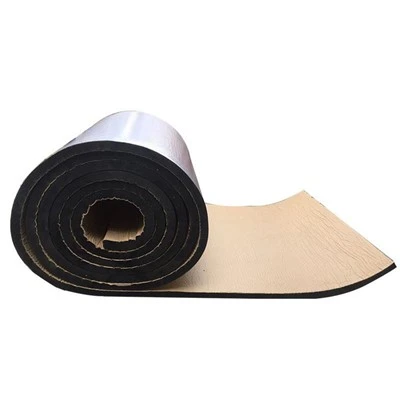
Let’s start with the basics, because I don’t want to bore you with textbook jargon, but you need to know what we’re working with. Glass wool is basically recycled glass melted down, spun into fine fibers, and bound with a resin that keeps it from falling apart. A glass wool blanket is just that fiber pressed into rolls or batts, with a foil or kraft paper facing sometimes added for extra moisture protection. Now, why does this matter for HVAC? Your HVAC system’s whole job is to heat or cool air and push it where it needs to go — so if that air is losing heat or cooling before it reaches your bedroom or office, you’re wasting energy. Worse, if the ducts are gathering moisture or letting contaminants escape, that’s a health risk too. That’s where glass wool blankets come in.
First up: the wins, because there’s a lot of them. Let’s talk thermal performance, the big one we all care about. I’ve tested our glass wool blankets against other common options — fiberglass loose fill, spray foam, even mineral wool — and for HVAC duct work, the R-value per inch is tough to beat. A standard 1.5-inch glass wool blanket hits an R-value of about 4.9 per inch, which means it does a solid job trapping heat in winter and cold air in summer. For commercial buildings with long runs of ducts in unconditioned spaces (like attics, crawl spaces, or exterior walls), that adds up fast. I had a café owner reach out last year who was seeing a 12% jump in his cooling bills in summer — turns out his old duct insulation had compressed over time, so it was only giving half the R-value it should. Switched to our 2-inch glass wool blanket, and his bills dropped right back down. That’s the kind of payoff that keeps HVAC teams coming back.
Then there’s fire resistance, which is non-negotiable for HVAC systems. Most building codes — especially commercial ones — require insulation that won’t spread flames easily. Glass wool is inorganic, so it doesn’t burn. The resin binder we use for our blankets meets Class A fire ratings in the U.S. (and equivalent standards globally), which means it’s the top tier for fire safety. I’ve seen way too many horror stories where a cheap, organic insulation (like cotton batts) caught a spark from a faulty HVAC wire and spread through the building. Glass wool eliminates that risk, and it’s cheap insurance to boot.
Wait, but let’s not sleep on acoustics either. HVAC systems are quiet when they’re working right, but ductwork can rattle, or air moving through ducts can create that annoying hum that keeps you up at night. Glass wool’s porous fiber structure absorbs sound waves way better than, say, closed-cell spray foam, which can actually make HVAC noise louder because it’s a rigid, reflective surface. A school district I work with did a side-by-side test: they insulated half their new classroom ducts with glass wool, half with spray foam. The glass wool side had a 15-decibel drop in duct noise — that’s the difference between a quiet conversation and a busy street. For hospitals, offices, or any space where quiet matters, that’s a huge perk.
Now, let’s get real, because no product is perfect. This is where a lot of people mess up: assuming a glass wool blanket is right for every HVAC job. The biggest con? Moisture. Glass wool is great at resisting moisture if it’s sealed right, but if it gets wet? It’s toast. The fibers clump together, the R-value plummets, and mold can grow in those clumps fast. I’ve had a guy call me panicking last year — he’d installed a cheap glass wool blanket in his basement ducts, and a pipe leaked, soaked the insulation, and mold spores were blowing into his house. That’s why the facing matters so much. If you’re using glass wool in a crawl space, unconditioned attic, or any space with high humidity or risk of water leaks, you need the bonded foil or kraft paper facing. No facing? Skip it — you’re asking for trouble.
Another downside: installation ease. Glass wool blankets are lightweight, which is a plus, but they’re also fragile. If you’re not careful when cutting and fitting them around duct elbows, vents, or connections, you can tear the fibers, which creates gaps. Gaps mean air leaks, which undo all that thermal performance. Spray foam, for example, adheres to ducts completely, so there’s zero gap risk. But here’s the thing: most professional HVAC techs know how to work with glass wool. They use metal fasteners or adhesive tape to seal the edges, and they cut it tight to every fitting. For DIYers, though? That’s where problems pop up. If you’re not experienced, a DIY glass wool install will almost certainly have gaps, wasting that energy you just paid for.
Also, it’s not the best pick for extreme temperature applications. If you’re working with industrial HVAC that handles air over 200°F or below -20°F, glass wool’s resin binder can break down over time. That’s where mineral wool is usually a better call. But for 99% of residential and light commercial HVAC systems — which run between 40°F and 140°F — glass wool is totally fine. I tell customers: if your system is heating/cooling regular indoor air, glass wool is perfect. If it’s handling super hot exhaust or extremely cold freezer air, look elsewhere.
Now, let’s clear up a common myth: “All glass wool blankets are the same.” Nope, not even close. The quality depends on the fiber thickness, the binder, and the facing. Cheap glass wool from big-box stores often uses thinner fibers and a weaker binder that breaks down faster. Our glass wool blankets are made with dense, uniform fibers that don’t compress over time — so their R-value stays consistent for 20+ years, which is the lifespan of most HVAC systems. That’s a big deal. Some customers try to save a buck by buying the cheapest option, but they end up replacing insulation 5 years later, which costs way more in the long run.
So, what’s the takeaway here? Is glass wool blanket suitable for HVAC systems? The short answer: yes — if you pick the right type, install it correctly, and use it in the right space. It’s not the only option, but for most residential, office, restaurant, and school HVAC jobs, it’s a top pick. It checks all the boxes: solid thermal performance, fire safety, noise reduction, and it’s way cheaper than spray foam or mineral wool for large duct runs.
But here’s the thing: I’ve seen so many people write off glass wool because they bought a bad product, or tried to install it themselves without knowing what they’re doing. That’s why I always tell folks to ask questions before they buy. What’s the facing? What’s the fire rating? Is it dense enough to not compress over time? If you’re working with a professional HVAC team, they’ll know these answers, but if you’re not sure, reach out — that’s what I’m here for.
If you’re upgrading your old insulation, building new ducts, or just tired of high energy bills from leaky HVAC, let’s chat. I can help you pick the right glass wool blanket for your space, no jargon, no pushy sales pitch. Shoot me a message or give me a call, and we can work through your specific needs — whether that’s a small residential furnace duct or a large commercial system for a grocery store. Don’t let bad insulation waste your money or put your building’s air quality at risk.
Building & Loft Glass Wool Blankets References
- U.S. Department of Energy. (2022). "Insulation for HVAC Ducts." Energy.gov.
- International Code Council. (2021). "Fire Resistance Requirements for Building Insulation." International Building Code.
- Ashrae. (2023). "Acoustical Performance of Thermal Insulation for HVAC Systems." Ashrae Journal.
- Glass Fiber Manufacturing Association. (2022). "Properties of Inorganic Glass Wool Insulation." Gfma.org.
Langfang Aolesi Thermal Insulation Materials Co., Ltd.
As one of the most professional glass wool blanket manufacturers and suppliers in China, we also support customized service. Please feel free to buy bulk high quality glass wool blanket made in China here from our factory. For pricelist, contact us now.
Address: Dongwang Village, Dacheng County, Langfang City, Hebei Province
E-mail: Lfaolesibaowen@outlook.com
WebSite: https://www.lfaolesi.com/
