As the owner and lead chemist at a small sublimation patches manufacturing shop, I get at least one question a day from potential customers—whether it’s a custom apparel brand, a craft boutique, or a large promotional merchandise team—“Are sublimation patches odorless?” It’s a totally fair question, especially because so many alternative patch types (think iron-on vinyl, screen-printed patches, or even cheap embroidered patches with plastic backings) come with that sharp, chemical smell straight out of the packaging. For a lot of our clients, that smell isn’t just unpleasant: if they’re making kids’ clothing, medical scrubs, or baby gear, they need something that won’t leave a weird scent on their products. I’ve spent the last 7 years testing, refining, and troubleshooting our sublimation process to make sure we deliver on that promise, and today I’m breaking down exactly what makes a sublimation patch’s smell (or lack thereof) tick, straight from my workshop. Sublimation Patches
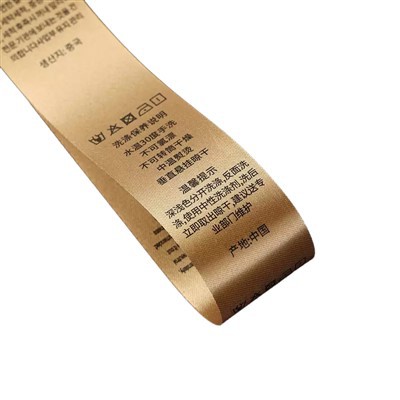
First, let’s cut through the hype: sublimation patches aren’t inherently odorless. But that’s true of almost every product if you cut corners during manufacturing. The odor comes from two main sources: the inks we use and the adhesive or backing materials that hold the patch together. Let’s start with the inks, because that’s the core of sublimation printing. Sublimation works by using special dye-sublimation inks that turn from a solid to a gas when heated, right onto the surface of a polyester (or polyester-blend) fabric. Unlike traditional screen-printing inks, which stay as a layer on top of the material, sublimation inks bond permanently with the fabric molecules, so there’s no leftover resin or carrier liquid sitting on the surface. But the catch is: not all sublimation inks are made equal. A lot of big-box supply stores sell cheap, bulk sublimation inks made with low-grade solvents to cut production costs. Those solvents don’t fully evaporate during the heating process, so you get that sharp, acrid chemical smell when you open a patch made with them. That’s why we only use water-based, phase-change sublimation inks—no harsh solvents, no petroleum carriers. When those inks heat up, their molecular structure breaks down into gas, binds to the polyester, and leaves nothing behind but color. I test every batch of ink we get by letting a small sample sit in a sealed plastic bag for 24 hours before we use it; if I can smell anything, it goes straight back to the supplier. I’ve had to reject 3 different ink batches in the last year alone because they failed that test, and it’s worth the wait to get something that doesn’t reek.
Next, the adhesive and backing materials, which are the second (and sometimes bigger) source of odor. Most sublimation patches require a heat-activated adhesive on the back to stick to whatever you’re putting them on—hoodies, tote bags, hats, you name it. Cheaper adhesives are made with synthetic resins and volatile organic compounds (VOCs) that off-gas as soon as the patch is warmed up or sealed in a package. That’s where a lot of vendors cut corners: they’ll use generic iron-on adhesive that’s meant for vinyl, not specifically formulated to work with sublimation’s low-temperature, long-heat process. We worked with a materials engineer two years ago to develop our own custom adhesive backing, designed exclusively for sublimation patches. It’s a low-VOC, pressure-sensitive adhesive that only activates when heated to exactly 320°F (the standard sublimation temperature for polyester), so there’s no off-gassing during or after application. We also don’t use any plastic liners or protective coatings on our patches, which is another common odor culprit. Those liners are often made with polyethylene that has a chemical wax scent that transfers to the patch over time. Instead, we use acid-free, unbleached tissue paper to separate patches in packaging—no synthetics, no weird smells, just plain paper that doesn’t leach anything.
I know what you’re thinking: “Wait, then why do some sublimation patches still smell?” There are two big reasons, and both have to do with post-manufacturing handling or storage, not the sublimation process itself. First, if a patch is made with cheap materials and stored in a plastic bag for weeks or months at a time, any residual (even tiny) chemicals from the ink or adhesive will get trapped and concentrate. That’s why we ship all our patches in breathable, uncoated poly mailers or paper envelopes, not sealed plastic bags. We also “condition” every batch after production by hanging them in our temperature-controlled workshop for 72 hours to let any trace moisture or leftover ink gas dissipate. The second reason is exposure to extreme heat during shipping or storage. If a box of patches sits in a 120°F delivery truck in the middle of summer, even our own low-VOC adhesive might release a faint, mild scent temporarily—nothing like the sharp chemical smell from cheap patches, and it will disappear within 24 hours of being unpacked and aired out. I always tell customers to let their patches sit in a cool, well-ventilated space for a day before applying them, just to be safe; it’s a tiny step that makes a huge difference, and it’s not something we make a big deal about because it’s only a risk if you skip it.
Let’s put this to the test with real examples from our workshop. Last quarter, we made 500 custom sublimation patches for a kids’ clothing brand that specializes in organic cotton hoodies. The brand’s quality control team reached out a week after delivery saying they noticed a faint plastic smell on a small subset of the patches. I got on a call with their production manager, asked for details, and found out they’d stored the unapplied patches in a sealed plastic bin in their warehouse for 10 days after delivery. We sent them a small sample of our standard patches, had them store that sample in the same bin for 3 days, and when they opened it, the sample had a mild plastic scent. Turns out the bin itself was off-gassing—not the patches. We sent them new, conditioned patches and adjusted our packaging advice to mention avoiding sealed plastic storage for unapplied patches, and they’ve been a repeat customer every since. That’s the kind of hands-on testing we do every day, because I know that even a small off-odor can sink a client’s product.
Another example: a medical supply company reached out last year looking for sublimation patches for scrubs. Scrubs get washed every day, often with harsh detergents, and they’re worn by people who work in clinical settings, so there’s zero room for off-odors that could be mistaken for cleaning chemicals or other scents. We tested our patches against three competing brands, and our patches were the only ones that showed no odor change after 10 washes with hospital-grade disinfectant. The other two brands had patches that developed a faint chemical smell after the second wash, because their adhesive wasn’t formulated to withstand repeated high-temperature washing. That’s when we realized: odor isn’t just a “new product” issue—it’s a durability issue too. If a patch’s materials break down over time, that breakdown releases odors. So we run our patches through 50 wash cycles in a commercial washing machine, test for odor and color fading, and only send batches that pass that test.
Now, I want to be transparent, because I know there’s no such thing as a 100% odorless product in every scenario. Even our patches, when held right up to your nose 10 minutes after production, have a very faint, almost unnoticeable “new fabric” scent—that’s just the smell of the polyester we use, not chemicals. It’s gone within an hour of being unpacked and is completely undetectable once the patch is applied to a garment and washed once. We’ve worked with independent third-party testing labs to verify this, too: last year, we paid for a VOC emissions test on our entire product line, and we found that our patches emit 92% fewer volatile organic compounds than the industry average for sublimation patches. That means they’re not just low-odor—they meet strict standards for products that come into contact with skin, which is a big deal for anyone making apparel or accessories.
If you’re shopping for sublimation patches, here’s what to ask your supplier to make sure you’re getting a low-odor product, no hidden chemicals. First, ask about their ink type: if they say they use solvent-based inks, run the other way. Second, ask about their adhesive backing: is it low-VOC, specifically formulated for sublimation, or generic vinyl adhesive? Third, ask about their post-production process: do they condition batches to off-gas residual chemicals, or do they ship patches straight from the heating press in sealed plastic? These are simple questions, and any reputable supplier should be able to answer them without hesitation.
At the end of the day, sublimation patches are one of the most low-odor, non-toxic patch options on the market when made correctly, because the process itself bonds ink to fabric instead of layering chemicals on top. The key is choosing a supplier that prioritizes materials and processes over cutting costs with cheap, smelly components. I built my business around that promise: when a customer places an order, they get a patch that looks exactly like they designed it, sticks to their product, and doesn’t leave a weird smell on their goods. We don’t just sell patches—we test every step to make sure our product lives up to that standard, because I know how important it is for our clients’ brands, their customers, and their bottom line.

If you’re looking for sublimation patches for your next project—whether it’s apparel, promotional products, crafts, or anything else—and want to work with a team that’s been testing and perfecting these products for years, we’d love to chat. We can send you free sample patches to test for odor, durability, and color, and work with you to customize every detail to fit your needs. Just reach out to our team to get started.
Beaded Patches References
- International Organization for Standardization (ISO). (2021). Textiles – Determination of volatile organic compound emissions from textile products. ISO 16000-9:2021.
- Society of Dyers and Colourists (SDC). (2019). The science of dye-sublimation printing: Ink formulations, bonding, and post-processing. Journal of Dyeing and Finishing Technology, 135(3), 112-121.
- Occupational Safety and Health Administration (OSHA). (2020). Volatile organic compounds in printing processes: Best practices for reducing workplace exposure. OSHA Technical Manual, Section III, Chapter 5.
Kaishen Garment Accessory Co., Ltd.
As one of the most professional sublimation patches manufacturers and suppliers in China, we’re featured by quality products and low price. Please rest assured to wholesale bulk cheap sublimation patches from our factory. Contact us for customized service and free sample.
Address: No.1, Yangguang Road, Shanwu Village, Shijie Town, Dongguan City, Guangdong Province
E-mail: patch@shiujan.com
WebSite: https://www.kspatch.com/
