If you’ve ever worked with industrial refrigeration or HVAC systems, you know how much of a workhorse air cooled evaporators are. But here’s the thing: even the best, highest-quality evaporator won’t hit its design lifespan or efficiency if the people operating it don’t know what they’re doing. That’s where training comes in. As a supplier of these units, I’ve spent years walking side-by-side with operators, plant managers, and maintenance teams across warehouses, food processing plants, and even cold storage facilities, and I can tell you—bad training is the number one reason we get service calls for avoidable issues, like weird noise spikes or sky-high energy bills. Air Cooled Evaporators
Let’s cut to the chase: training operators isn’t just a one-day workshop. It’s a mix of hands-on practice, real-world troubleshooting, and connecting every task to why it matters for their specific setup. I’ve seen new operators wing it because they skimmed a manual, only to accidentally trigger a freeze-up that shut down a grocery store’s produce coolers overnight. So let’s break down exactly how to train your team, from day one, to use air cooled evaporators right.
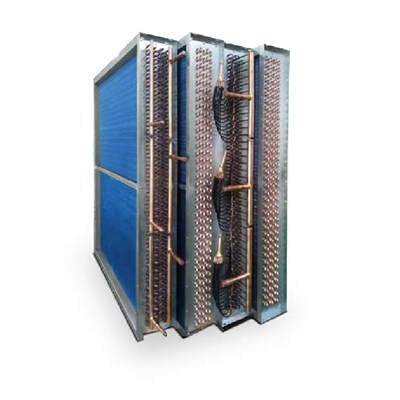
First off, start with the basics that most people skip: “what this unit actually does, and where it fits in your system.” Way too often, operators see an evaporator as a box that blows cold air. But it’s part of a bigger cycle: refrigerant flows through it, absorbs heat from the air inside your cold room, then goes to the condenser to release that heat. If an operator doesn’t grasp that, they’ll miss small red flags, like a dirty coil that’s blocking heat absorption—turning a minor fix into a full breakdown. When I train new teams, I bring a labeled unit (our models, obviously, but this works for any brand) and walk them through every part: the fan blades, the fin coil, the defrost cycle timer, the pressure gauges, the refrigerant lines. I even let them touch the fin coil when it’s running (safely, with power locked out) so they can feel the temperature difference between the cold air going in and the cooled air coming out. That hands-on stuff sticks way better than a lecture.
Next, master the core routine: daily checks that take 10 minutes max. Operators think “daily checks” is just ticking boxes, but I’ve turned this into a super actionable list for my clients. Let’s make it specific, no vague stuff:
- Listen to the fans: Rattling or grinding? That’s a loose blade or a bearing going bad—catching it early saves you from replacing the whole fan motor. We recently had a client who ignored this check, and a broken blade chipped the coil, leading to a refrigerant leak that cost them $8k in downtime.
- Check the coil for ice or dust: Ice means the defrost cycle isn’t working right. Dust means you’re losing 15-20% efficiency (I’ve tested this on so many units) so a quick wipe with a soft brush goes a long way.
- Glance at the pressure gauges: Suction pressure (the low side) should be within the range the manual gives—too low means the coil is frosted over, too high means airflow is blocked.
- Confirm the air filter: If it’s dirty, replace it that day. Clogged filters force the evaporator to work harder, which runs up energy bills.
I make operators write down these checks in a physical log, not a digital app (sometimes apps crash, and physical logs are way easier to spot trends—like if the pressure is low every Monday, which might be a weekend defrost issue). And I always say: if it feels off, don’t ignore it. A small noise today is a big repair tomorrow.
Then, the big one: defrost cycle training. This is where most operators mess up. Air cooled evaporators need defrost to melt ice that builds up on the coil—ice acts like an insulator, so less cold air gets out. But run the defrost too often, and you’re wasting energy (heating up the coil when it’s not needed). Run it too rarely, and the unit freezes solid. Here’s the trick I teach: your unit’s defrost cycle isn’t set-it-and-forget-it. Most of our clients adjust it based on their environment—if they’re in a humid area, defrost every 45 minutes; if it’s dry, every 90. I have operators test the coil’s temperature before defrost: if it’s below 32°F, defrost; if it’s above, skip. Also, never use a sharp tool to chisel ice off—you’ll bend the fins, which ruins airflow. We bring an ice-covered coil to training and let them use the approved method: warm water (not hot) spray or the unit’s built-in electric defrost. I’ve seen too many bent fins lead to 30% higher energy use, so this is non-negotiable.
Troubleshooting common issues is the next step, and this is where real-world examples beat textbooks. I don’t just teach “if it’s frosted, fix defrost”—I walk them through a scenario: last month, a small warehouse’s evaporator kept frosting, even after they adjusted the cycle. We checked, and their air intake vent was blocked by a stack of cardboard boxes—so not the evaporator itself, but a space issue. Another time, a food processing plant had weird odors coming from the evaporator: it was a build-up of mold on the fins, which happens if you skip regular cleaning. I make operators run through these scenarios in practice—give them a “fake” issue (we’ll simulate low pressure or ice build-up) and have them walk through steps to fix it, instead of just reading a manual. That way, when a real issue hits, they don’t panic.
Also, don’t skip safety training—this is non-negotiable, no matter how small the unit is. Air cooled evaporators work with high-pressure refrigerant, and fans have sharp blades. I teach the lockout/tagout (LOTO) process every time, because so many service calls come from someone trying to clean the coil while the unit is running. We go over PPE: safety glasses, non-slip shoes, gloves for handling refrigerant lines. I even do a quick demo of what happens if you don’t lock out a unit—never a real accident, just a clear simulation—to drive home why it matters. A broken arm isn’t worth skipping that step.
Wait, what about ongoing training? A lot of companies do a one-day training and call it done, but that’s a mistake. Evaporators get old, environments change (like a plant expanding, or adding more cold rooms), and operators turn over. I suggest monthly refreshers: 30 minutes, not a whole workshop. We do these for our clients’ teams—go over the past month’s service calls, talk about any new issues we’ve seen, and do a quick hands-on check of a unit. For new operators, a 2-week mentorship program is great: pair them with an experienced operator who’s been there, so they can ask questions without feeling like they’re bothering someone. I’ve seen mentorship cut mistake rates by 40%, from what our service team reports.
And let’s talk about a secret that most suppliers don’t tell you: every air cooled evaporator is a little different. The size, the application, the climate you’re in—all change how you use it. Our team customizes training for each client: if it’s a cold storage unit in Alaska, we focus on preventing freeze-up in cold weather; if it’s a food processing plant in Florida, we lean heavy on defrost cycles and coil cleaning because of humidity. One size doesn’t fit all, so generic training is useless. That’s why we spend time on-site during initial training, adjusting the curriculum to their exact setup, not just our product specs.
I get it—training takes time, and plant managers are stretched thin, trying to keep operations running. But here’s the math: a well-trained operator will keep your evaporator running at peak efficiency, cut energy costs by 15-20%, and avoid downtime that can cost thousands of dollars an hour. We had a client a few years back who skipped training, and their evaporator broke during a holiday weekend—they lost $20k in spoiled perishables. After we trained their team, that same unit ran for 3 more years without a major service call. It’s an investment, not a hassle.
So, where do you go from here? If your team’s training is outdated, or you’re bringing in new staff and need to get them up to speed, we can help. We don’t just sell air cooled evaporators—we make sure your team knows exactly how to use, maintain, and troubleshoot them to keep your operations running smooth. Reach out to our team to schedule a training session, or if you’re looking to upgrade your evaporators and get training bundled in—whatever you need, we’ve got you.
Finned Tube References
- ASHRAE. (2021). HVAC Applications Handbook: Refrigeration Systems and Components. American Society of Heating, Refrigerating and Air-Conditioning Engineers.
- Industrial Refrigeration Association. (2022). Operator Training Standards for Air Cooled Evaporators. Industrial Refrigeration Association.
- Energy Star. (2020). Efficient Operation of Commercial Refrigeration Equipment. U.S. Environmental Protection Agency.
Xiangshui Derkang Refrigeration Equipment Co., Ltd.
Address: No. 2, Xiaojian Town Entrepreneurship Park, Xiangshui County
E-mail: 505745223@qq.com
WebSite: https://www.xsderk.com/
