Hey there! I’m a supplier of zinc die castings, and today I wanna chat about the energy consumption levels in zinc die casting production. It’s a topic that’s super important, not just for us suppliers but also for our customers. Energy costs are a big part of the production process, and understanding how much energy we’re using can help us all make better decisions. Zinc Die Castings
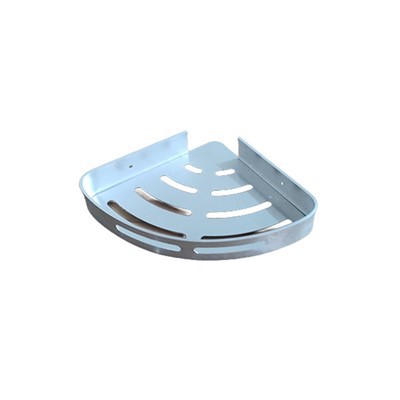
First off, let’s talk about the basics of zinc die casting. In this process, molten zinc is injected into a mold under high pressure to create various parts. It’s a widely used method because it can produce high – quality, complex shapes with good dimensional accuracy. But all that melting, injecting, and cooling takes a fair bit of energy.
The energy consumption in zinc die casting production can be broken down into several key areas.
Melting the Zinc
The first major energy – guzzling step is melting the zinc. Zinc has a relatively low melting point compared to some other metals, around 419.53 °C (787.15 °F). But even so, heating up a large amount of zinc to this temperature requires a significant amount of energy. We use furnaces, and the type of furnace we choose can have a big impact on energy use.
Electric furnaces are quite common. They’re relatively easy to control, which means we can heat the zinc to the exact temperature we need. However, they do consume a lot of electricity. On the other hand, gas – fired furnaces can be more energy – efficient in some cases. They use natural gas to generate heat, and if the burner is well – maintained, it can convert a large percentage of the gas’s energy into heat for melting the zinc. But they also have their own set of challenges, like emissions control.
The size of the furnace also matters. A larger furnace might be able to melt more zinc at once, but it also needs more energy to heat up and maintain the temperature. We’ve got to find the right balance between batch size and energy consumption.
Injection and Pressing
Once the zinc is melted, it’s time to inject it into the mold. The injection process requires a powerful hydraulic system or an electric – servo system to generate the high pressure needed to force the molten zinc into every nook and cranny of the mold.
Hydraulic systems have been around for a long time. They use oil to transfer power, and the pumps that run these systems use a fair amount of electricity. However, they’re pretty reliable and can generate a lot of force. Electric – servo systems are a more recent development. They’re generally more energy – efficient because they can adjust the power output according to the actual needs of the process. For example, they don’t consume as much energy when the press is not in the high – force injection phase.
Cooling the Castings
After the zinc is injected into the mold, we need to cool it down so that it solidifies into the desired shape. This is another area where energy comes into play. There are different cooling methods, like air – cooling and water – cooling.
Air – cooling is the simplest method. We just let the hot castings sit in the open air, and the heat dissipates naturally. This doesn’t use any additional energy, but it can be a slow process, especially for larger castings. Water – cooling, on the other hand, is much faster. We circulate water around the mold to absorb the heat from the castings. However, running the water pumps and maintaining the water – cooling system requires electricity.
Other Energy – Consuming Processes
There are also other processes in zinc die casting production that use energy. For example, we might need to pre – heat the molds before injecting the molten zinc. This helps to ensure that the zinc flows smoothly into the mold and reduces the risk of defects. Pre – heating the molds can be done using electric heaters or gas burners, both of which consume energy.
Another thing is the finishing processes. After the castings are removed from the molds, they often need to be trimmed, polished, or treated in some way. These processes might involve using power tools, which obviously require electricity.
Factors Affecting Energy Consumption
Now, there are a bunch of factors that can affect the energy consumption levels in zinc die casting production.
One of the biggest factors is the efficiency of our equipment. A well – maintained and modern furnace, injection machine, and cooling system will use less energy compared to old, inefficient equipment. For example, if the insulation on our furnace is worn out, a lot of heat will escape, and we’ll need to use more energy to keep the zinc molten.
The complexity of the castings also matters. More complex castings usually require more precise injection parameters and longer cooling times. This means that the injection machines and cooling systems need to run for a longer time, which in turn consumes more energy.
The production volume is another important factor. If we’re producing a large number of castings in a continuous run, our equipment can operate more efficiently. We can optimize the heating and cooling cycles, and we don’t have to waste energy on frequent start – ups and shut – downs.
Measuring and Reducing Energy Consumption
As a supplier, we’re always looking for ways to measure and reduce our energy consumption. We use energy meters to track how much electricity and gas we’re using in each part of the production process. This helps us identify areas where we can make improvements.
One way to reduce energy consumption is to optimize our production schedules. By grouping similar castings together, we can reduce the number of times we need to change the settings on our equipment. This saves energy and also improves productivity.
We’re also investing in more energy – efficient equipment. For example, we recently upgraded some of our electric furnaces to models that have better insulation and more precise temperature control. This has already led to a noticeable reduction in our energy bills.
Why It Matters for Our Customers
You might be wondering why all this talk about energy consumption matters to you as a customer. Well, there are a few reasons.
First of all, energy costs are a significant part of our production costs. If we can reduce our energy consumption, we can pass on some of those savings to you. This means that you can get high – quality zinc die castings at a more competitive price.

Secondly, more and more companies are becoming environmentally conscious. By reducing our energy consumption, we’re also reducing our carbon footprint. This can be a big plus for your company if you’re looking to meet certain environmental standards or if you want to show your customers that you’re committed to sustainability.
Let’s Chat
Stamped Metal Parts If you’re in the market for zinc die castings, I’d love to talk to you. We’ve got a team of experts who can work with you to understand your specific needs and provide you with the best – quality products at a great price. We’re always looking for ways to improve our processes and reduce our costs, which ultimately benefits you. So, if you’re interested, just reach out, and we can start a conversation about your project.
References
- Campbell, J. A. (2003). Castings. Butterworth – Heinemann.
- Groover, M. P. (2017). Fundamentals of Modern Manufacturing: Materials, Processes, and Systems. Wiley.
- Flemings, M. C. (1974). Solidification Processing. McGraw – Hill.
Yuyao Aozhou Metal Products Co., Ltd.
We are one of the most experienced zinc die castings manufacturers and suppliers in China. With a professional production team, we are able to meet the needs of the majority of our customers. Please rest assured to buy customized zinc die castings made in China here from our factory.
Address: No.6, Nanbailonggang, Wuma Industrial Zone, Lubu Town, Yuyao City
E-mail: xqr-2316@163.com
WebSite: https://www.cnaozhou.com/
