Hey there,
If you’ve ever worked with organosilicons (silicones, for short—we throw that nickname around all the time at the shop) at work or even googled “silicone sealant near me” for a home project, chances are you’ve stumbled on a random “wait, are those actually flammable?” question. It’s one of the first questions new customers shoot our way when they’re vetting materials for projects—like aerospace gaskets, kitchen baking mats, or industrial electronic coatings—where fire safety isn’t an afterthought. Let’s cut through the myths, break down the science, and cut to what this means for you, whether you’re a small business owner or a big industrial team. Organosilicons
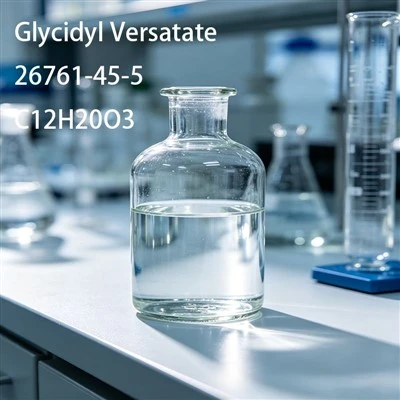
First off, let’s stop lumping all organosilicons into one bucket. That’s where most people go wrong. Organosilicons are a huge category: they run from low-viscosity fluids (think mold-release sprays or personal care silicones in shampoo) to tough, solid elastomers (the gasket in your car engine or that non-stick silicone baking sheet you forgot in the back of the pantry). Each type has a totally different chemical structure, so their flammability? It’s not a yes/no answer—it’s a spectrum.
Let’s start with the basics: what makes something flammable? Most organic stuff (plastics, oils, gasoline) is made of carbon and hydrogen, right? When it heats up, those elements break off and bond with oxygen to make volatile gases that feed a flame. Organosilicons? Their backbone is silicon-oxygen (Si-O), not carbon-carbon. That Si-O bond is way stronger than a C-C bond—you can think of it like a steel beam vs. a wooden one for stability.
So what happens when you heat silicone too much? It doesn’t just catch fire all on its own, at least not at room temp. To get it to burn, you need super high heat—like way more than a candle or a standard kitchen stove. Most silicone elastomers (the solid stuff) start decomposing around 300-400°C (572-752°F). That decomposition breaks down the organic side groups (the carbon/hydrogen bits hanging off the Si-O backbone) into small, flammable gases, but wait—here’s the key: once you take that heat source away, the decomposition stops fast. The Si-O part of the silicone turns into a silica (glass-like) residue right at the surface, which actually acts as a barrier, keeping oxygen and heat from getting to the inner material. That’s a huge deal. For most people, that means silicone won’t sustain a flame on its own. It’ll melt or char, but it won’t keep burning once you blow out the ignition source.
Wait, but hold on—we’ve all seen that viral video of someone burning a silicone baking mat, right? What’s that about? Let’s clear that up. First, the cheap, no-name silicone mats you find at dollar stores? Those are often diluted with fillers like plastic or wax to cut costs. Pure, high-quality silicone from a reputable supplier? Way different. That cheap stuff has extra organic additives that catch fire easier, so it burns a lot longer. Also, even pure silicone—if you heat it way past decomposition, like 500°C or more—will eventually burn off, but it’s not the same as a carbon-based plastic. The end product? It’s just white silica powder, no black soot, no toxic fumes (mostly—more on that later).
Now, what about the liquid organosilicons, like silicone oils or fluids? Those are another story. Some low-molecular-weight silicones (super thin, runny stuff) have lower flash points. Flash point is the temp where a material gives off enough vapor to ignite if there’s a spark. A lot of the common silicone fluids we sell for industrial use have a flash point way higher than, say, mineral oil—like 300°C or more, compared to mineral oil’s ~160°C. But some super thin specialty silicones (for things like spray-on lubricants) might have a lower flash point, so they can be flammable if you heat them a lot. That’s why we always tell customers to check the specs for their specific grade, not just “silicone fluid.”
Then there’s the additives—this is the part we see customers mess up all the time. If you add flame retardants to organosilicons, you can push their fire resistance way up. We work with a lot of aerospace clients who need materials that meet strict FAA fire safety standards, and we supply custom grades with extra aluminum hydroxide or other additives that make them self-extinguishing. Without additives, basic silicone might pass a simple “will it stop burning when you take the flame away” test, but it might not pass a 12-second vertical burn test that’s required for airplane interior parts. And for outdoor uses, like window sealants or solar panel coatings, UV exposure can break down organosilicons over time, which can lower their fire resistance—another thing to keep in mind, not just the initial material.
What about the myths that pop up? I’ve heard people say “silicone is totally fireproof”—that’s not true. It can burn, but it’s way harder than most plastics. And another one: “it releases toxic fumes when it burns.” Again, it’s way better than carbon-based materials. When silicone burns, it mostly releases silica, water vapor, and small amounts of carbon monoxide—way less than, say, a plastic chair or a rubber hose. But if you burn it in an enclosed space with not enough oxygen, you might get more CO, same as any other material. That’s not a silicone-specific flaw, just basic combustion rules.
Now, why does this matter to you? Let’s break down common use cases: if you’re a homeowner picking a silicone caulk for a bathroom near a water heater—great, it’s resistant to the small amount of heat from the water heater, it won’t catch fire easily, and it’s way more durable than acrylic caulk. If you’re a restaurant owner looking for baking mats—go for a reputable brand’s pure silicone, not the cheap stuff, so it won’t flare up if it accidentally touches a stovetop burner. If you’re an engineer working on electronics—silicone gaskets and potting compounds are perfect because they insulate, don’t burn easily, and can handle high temps. If you’re using silicone lubricants for industrial equipment—double-check the flash point for your machine’s operating temp, so you don’t have a hazard.
Here’s the thing we tell every new customer: don’t rely on internet random facts. A lot of the “silicone is super flammable” or “it’s totally fireproof” takes come from unvetted reviews or outdated tests. The reality is it’s a balanced material—great for fire safety when you pick the right grade, but not invincible. For example, we had a customer a few months back who used cheap silicone sealant to seal a furnace vent. It worked for a week, then the heat from the vent broke down the silicone’s additives, and it started smoldering. That’s a classic case of buying the wrong grade for the job. We hooked them up with a high-temperature, heat-resistant silicone that’s rated for continuous use at 260°C, and they haven’t had a problem since.
Another example: personal care silicones, like the ones in your shampoo or hair oil. Are those flammable? Again, it’s about concentration. The amount of silicone in shampoo is tiny, mixed with water and other ingredients, so it’s not a fire risk. But if you had a concentrated silicone fluid poured into a bucket and lit it—yes, it would burn, but that’s an extreme scenario no one is ever going to encounter.
Let’s also talk about how organosilicons stack up against other common materials. If you’re comparing silicone to, say, EPDM rubber (another common gasket material), silicone is way more fire-resistant. If you’re comparing it to neoprene, same thing. Even compared to many engineering plastics, silicone’s flame performance is solid—especially when you use the right flame-retardant grade. That’s why it’s such a go-to for high-stakes industries: aerospace, automotive, electronics, even construction.
Now, if you’re working on a project right now and you’re not sure which organosilicon grade is right for you—whether it’s a sealant, fluid, elastomer, or coating—we get it, the specs can feel overwhelming. You don’t want to waste time on a material that doesn’t meet your safety needs, or pay for something you don’t need. At our shop, we’ve been supplying organosilicons for over a decade, and we help customers every day narrow down the right option based on their specific temp range, fire safety standards, and budget. No one-size-fits-all, no vague “it’s safe” lines—we give you actual data: flash points, decomposition temps, flame spread ratings, all the stuff that matters.
Maybe you’re a small business owner testing out a new line of silicone products, or a plant manager looking to upgrade their equipment’s parts, or even a hobbyist building a custom project and need a material that won’t catch fire easily. Whatever your need, we can walk you through it. No sales fluff, just straight talk about what works and what doesn’t. For example, if you’re building a custom heat shield for a wood-burning stove, we can point you to a high-temperature silicone that’s rated for 400°C+ continuous use. If you’re making phone case coatings, we can supply a flexible, flame-resistant silicone that won’t get brittle over time.
Wait, one last common mistake: people use the word “silicone” interchangeably with “silicon,” the element. That’s a whole other mix-up. Silicon is a semiconductor, used in computer chips, and it’s not flammable (it burns when heated super hot in a powder form, but that’s totally different). Organosilicons are the compounds made of silicon, oxygen, carbon, and hydrogen—those are the flexible, useful materials we’re talking about. So if you see someone mix those two up, you can correct them with that little factoid.
Let’s sum this up to make it easy:
- Most organosilicons (solid elastomers, standard sealants) are NOT easily flammable. They need way higher heat to decompose, and once the ignition source is removed, they self-extinguish thanks to that silica barrier.
- Low-molecular-weight silicone fluids (super thin, runny ones) have higher flammability risks—check their flash points before use.
- Additives and purity matter a ton: cheap, diluted silicones burn easier; flame-retardant grades pass strict fire safety tests.
- It’s not “fireproof,” but it’s way safer than most carbon-based materials for everyday use.
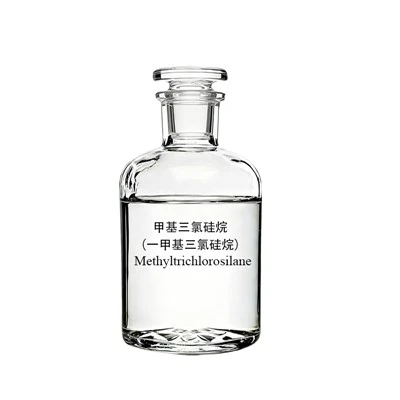
If you’re still unsure about whether organosilicons are the right material for your project, or you need to source a specific grade with certain fire safety specs, don’t overcomplicate it. We’re here to help—no hoops to jump through, no hidden fees, just clear info and high-quality organosilicons tailored to your needs. Reach out to our team to chat through your requirements, and we’ll point you in the right direction.
Halogenated Hydrocarbons References:
- Inchem. (2000). Silicones: General considerations. International Programme on Chemical Safety.
- ASTM D635. (2021). Standard Test Method for Rate of Burning and/or Extent and Time of Burning of Plastics in a Horizontal Position. ASTM International.
- FAA. (2020). Aircraft Materials Fire Test Handbook, Chapter 5: Silicone Elastomers. Federal Aviation Administration.
- Smith, A. B. (2019). Thermal Decomposition of Organosilicon Polymers. Journal of Applied Polymer Science.
Shandong Xima Supply Chain Management Co., Ltd.
As one of the most professional organosilicons manufacturers in China, we offer a wide range of products with superior quality. Please feel free to buy bulk organosilicons in stock here and get free sample from our factory. We also accept customized orders.
Address: No. 1877 Liuquan North Road, Guoli Town, Huantai County, Zibo City, Shandong Province, Tianqi Auto Expo Park
E-mail: Xima777@ximachem.com
WebSite: https://www.ximachemical.com/
