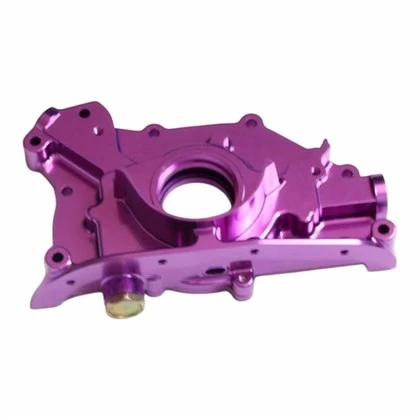
The global automotive market is a complex ecosystem of manufacturers, suppliers, and regulatory entities, each with their respective roles and responsibilities. As a supplier of TOYOTA engine parts, I’ve witnessed firsthand the profound impact that legal regulations have on the replacement of these critical components. This blog post aims to explore the legal landscape surrounding TOYOTA engine parts replacement, providing you with a comprehensive understanding of what you need to know. TOYOTA Engine Parts
The Importance of Legal Compliance in Engine Parts Replacement
When it comes to automobile engines, safety and performance are paramount. The replacement of engine parts is a task that requires precision and adherence to strict standards. This is where legal regulations step in. They ensure that every part used in the replacement process meets the necessary safety and quality benchmarks. For TOYOTA vehicles, these regulations are designed to maintain the high – level of reliability and performance that the brand is known for.
Legal compliance in engine parts replacement also protects consumers. By enforcing standards, regulatory bodies prevent the use of sub – standard or counterfeit parts. These inferior parts not only pose a risk to vehicle safety but can also lead to costly repairs and decreased vehicle lifespan. As a reputable TOYOTA engine parts supplier, I am acutely aware of the role legal regulations play in safeguarding both the brand’s reputation and the well – being of consumers.
Types of Legal Regulations
Manufacturer – Specific Regulations
TOYOTA, like many other major automotive manufacturers, has its own set of regulations regarding engine parts replacement. These regulations are based on the company’s engineering standards and the design specifications of its vehicles. For example, TOYOTA may require that certain engine parts, such as pistons or camshafts, be replaced with parts that have been specifically engineered for a particular model and year of their vehicles.
Manufacturer – specific regulations also extend to the installation process. TOYOTA provides detailed service manuals and procedures that mechanics must follow when replacing engine parts. Deviating from these procedures can void the vehicle’s warranty and may even lead to safety issues. As a supplier, I work closely with TOYOTA to ensure that the parts I offer are in full compliance with their strict standards.
Government – Imposed Regulations
In addition to manufacturer – specific regulations, there are numerous government – imposed regulations that govern engine parts replacement. These regulations vary from country to country and are often designed to protect the environment, ensure road safety, and promote fair competition in the automotive market.
Environmental regulations, for instance, may limit the emissions produced by a vehicle. When replacing engine parts, it is crucial to use parts that meet the local emissions standards. For example, in many countries, the use of catalytic converters that meet Euro or equivalent standards is mandatory. Failure to comply with these regulations can result in hefty fines for vehicle owners and suppliers alike.
Road safety regulations also play a significant role. Governments set standards for the performance and durability of engine parts. These standards ensure that vehicles remain safe to operate on public roads. For example, engine mounts must be able to withstand a certain amount of stress and vibration to prevent the engine from shifting during operation.
The Role of a TOYOTA Engine Parts Supplier in Regulatory Compliance
As a TOYOTA engine parts supplier, regulatory compliance is at the core of my business operations. I understand that the parts I supply must meet both the manufacturer’s and the government’s regulations. To ensure this, I have established a rigorous quality control process.
First, I source my parts from reputable manufacturers that have a proven track record of producing high – quality, compliant components. Before accepting any new parts into my inventory, I conduct thorough inspections and tests. These tests may include checks for dimensional accuracy, material quality, and performance under various conditions.
I also provide detailed documentation with each part I supply. This documentation includes information about the part’s compatibility with specific TOYOTA models, its manufacturing standards, and any relevant regulatory certifications. This information is invaluable to mechanics and vehicle owners as it helps them ensure that they are using the correct and compliant parts for their vehicles.
Navigating the Regulatory Landscape
Navigating the complex regulatory landscape of engine parts replacement can be challenging, especially for small businesses and individual consumers. As a supplier, I strive to make this process as easy as possible for my customers. I offer expert advice and guidance on which parts are appropriate for their specific vehicles and how to ensure compliance with relevant regulations.
I also stay up – to – date with the latest regulatory changes. The automotive industry is constantly evolving, and regulations can change frequently. By keeping a close eye on these changes, I can ensure that the parts I supply always meet the current standards.
Impact on the Market and Consumers
The legal regulations regarding TOYOTA engine parts replacement have a significant impact on both the market and consumers. On one hand, these regulations create a more level playing field for suppliers. Only those who can meet the strict standards are able to operate in the market. This helps to weed out suppliers of low – quality or counterfeit parts, ultimately benefiting consumers.
On the other hand, regulatory compliance can also increase the cost of engine parts. The rigorous testing and documentation requirements add to the production and distribution costs. However, these costs are often offset by the long – term benefits of using compliant parts. Compliant parts are more reliable, have a longer lifespan, and can help to avoid costly repairs and safety issues.
Conclusion: The Future of TOYOTA Engine Parts Replacement Regulations
As technology advances and the automotive industry continues to evolve, we can expect the legal regulations regarding TOYOTA engine parts replacement to become even more complex. New materials, designs, and manufacturing techniques will require new standards and certifications.
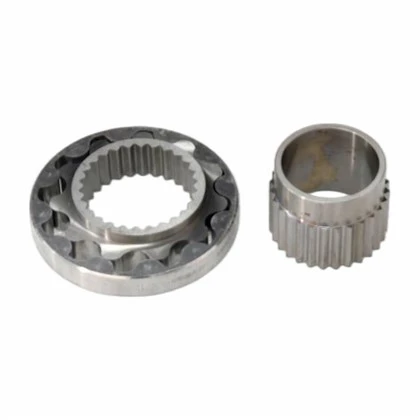
Despite these challenges, the importance of regulatory compliance will only increase. It will continue to be the cornerstone of safety, quality, and environmental protection in the automotive industry. As a TOYOTA engine parts supplier, I am committed to staying at the forefront of these changes. I will continue to provide high – quality, compliant parts and to support my customers in navigating the regulatory landscape.
TOYOTA Engine Parts If you are in need of TOYOTA engine parts or have any questions about regulatory compliance, I invite you to contact me. I am always ready to engage in a productive discussion about your needs and how I can assist you in finding the right parts for your TOYOTA vehicle.
References
- Automotive Industry Standards Handbook, various editions.
- TOYOTA Service and Repair Manuals.
- Government automotive regulatory documents from key markets.
RCH Precision Machinery Co., Ltd.
With abundant experience, we are one of the most professional toyota engine parts manufacturers and suppliers in China. We warmly welcome you to buy high quality toyota engine parts at competitive price from our factory. If you have any enquiry about cooperation, please feel free to email us.
Address: No.71 Zhennan 3 road Tong’an Area Xiamen, Fujian, China
E-mail: mike@rchxm.com
WebSite: https://www.rchxm.com/
