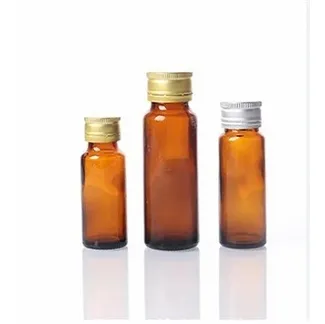
As a seasoned supplier of infusion bottles, I understand the critical role that quality control plays in the pharmaceutical industry. Infusion bottles are not just containers; they are the guardians of life – saving medications, ensuring that drugs reach patients safely and effectively. In this blog, I will delve into the comprehensive quality control measures that we implement at our facility to guarantee the highest standards of infusion bottles. Infusion Bottle
Raw Material Inspection
The foundation of quality starts with the raw materials. Before any production begins, we conduct a meticulous inspection of the raw materials used for making infusion bottles. The primary material for most infusion bottles is glass or plastic, each with its own set of quality requirements.
For glass raw materials, we check the chemical composition to ensure it meets the required standards for purity and stability. Impurities in the glass can not only affect the clarity of the bottle but also potentially react with the medications inside. We also examine the physical properties of the glass, such as its strength and heat – resistance. Samples are taken from each batch of raw glass and tested using specialized equipment. For example, we use spectrometers to analyze the elemental composition and mechanical testing machines to measure the tensile strength and hardness.
In the case of plastic raw materials, we focus on factors like the polymer type, molecular weight, and additives. Different polymers have different characteristics in terms of barrier properties, flexibility, and chemical resistance. We verify the polymer’s identity through techniques like infrared spectroscopy. Additionally, we test for the presence of any harmful additives or residual monomers that could leach into the medication. This is done using chromatography and mass spectrometry methods, which can detect even trace amounts of contaminants.
In – Process Quality Control
Once the production process starts, we have a series of in – process quality control steps to monitor and correct any potential issues immediately.
Molding and Forming
During the molding and forming stage of the infusion bottles, we closely monitor the physical dimensions. Deviations in size can affect the compatibility of the bottle with other components in the infusion system, such as the caps or the filling machines. We use precision measuring tools, like calipers and gauge blocks, to measure the wall thickness, diameter, and height of the bottles at regular intervals.
The shape of the bottle is also crucial. Irregularities in the shape can lead to problems during the filling and sealing processes. We use optical inspection systems that can detect even the slightest deviations from the design specifications. These systems use cameras and software algorithms to analyze the 3D shape of the bottles and flag any non – conforming items.
Heat Treatment (for Glass Bottles)
If we are manufacturing glass infusion bottles, the heat treatment process is a critical step. Improper heat treatment can result in internal stresses within the glass, making the bottle more prone to breakage. We monitor the temperature and time parameters during the annealing process using thermocouples and data loggers. Samples are taken after the heat treatment and subjected to stress analysis using techniques like polariscopy. This allows us to ensure that the internal stresses in the glass are within acceptable limits.
Sealing and Closure
The sealing and closure of the infusion bottles are vital to prevent contamination and leakage of the medications. We test the seals for integrity using pressure decay tests or helium leak detection methods. In a pressure decay test, the bottle is pressurized, and the pressure drop over a specific period is measured. A significant pressure drop indicates a leak in the seal.
The caps and closures are also inspected for proper fit and functionality. We check the torque requirements for tightening the caps to ensure that they are tightly sealed but can still be easily opened by healthcare professionals. Additionally, we test the materials of the caps for compatibility with the medications and the bottle itself to prevent any chemical reactions or degradation.
Final Product Inspection
After the production process is complete, each batch of infusion bottles undergoes a final comprehensive inspection.
Visual Inspection
Visual inspection is the first line of defense in detecting obvious defects. Trained inspectors examine each bottle under proper lighting conditions to look for cracks, chips, scratches, or any foreign objects inside the bottle. The bottles are rotated and viewed from different angles to ensure a thorough inspection. Any bottles with visible defects are immediately removed from the batch.
Sterility Testing
Since infusion bottles are used to store sterile medications, sterility is of utmost importance. We use a variety of microbiological testing methods to ensure that the bottles are free from microorganisms. The most common method is the membrane filtration method, where a known volume of liquid from the bottle is passed through a membrane filter. The filter is then cultured on suitable media, and any growth of microorganisms is detected after a specific incubation period.
Chemical Compatibility Testing
To ensure that the infusion bottles do not interact with the medications they contain, we conduct chemical compatibility testing. We simulate the storage conditions of the medications in the bottles over a specified period. Samples of the medications are filled into the bottles and stored at different temperatures and humidity levels. After the storage period, we analyze the samples for any changes in the chemical composition of the medication, such as the formation of degradation products or the release of substances from the bottle.
Packaging and Storage Quality Control
The quality control process does not end with the production of the infusion bottles. Proper packaging and storage are essential to maintain the quality of the bottles until they reach the end – user.
Packaging Materials
The packaging materials used for the infusion bottles are also carefully selected and inspected. The primary function of the packaging is to protect the bottles from physical damage, contamination, and environmental factors. We use high – quality cardboard boxes, shrink – wrap, and cushioning materials. The packaging materials are tested for their strength, tear resistance, and moisture – barrier properties. We also ensure that the packaging materials are free from any contaminants that could potentially transfer to the bottles.
Storage Conditions
We store the infusion bottles in a controlled environment to prevent any damage or deterioration. The storage area is maintained at a specific temperature and humidity range. For example, glass bottles are more sensitive to temperature changes, and storing them at extreme temperatures can cause thermal stress and breakage. Plastic bottles can be affected by humidity, which can cause swelling or degradation of the material. We use temperature and humidity sensors to monitor the storage conditions continuously and make adjustments as needed.
Traceability and Documentation
In addition to the above – mentioned quality control measures, we maintain a comprehensive traceability system and detailed documentation.
Traceability
Each batch of infusion bottles is assigned a unique identification number. This number allows us to track the entire production process, from the raw materials used to the final inspection results. In case of any quality issues or recalls, we can quickly identify the affected batches and trace back the source of the problem. This traceability system also helps us to improve our quality control processes by analyzing trends and patterns in the production data.
Documentation
We keep detailed records of all the quality control tests and inspections performed. These records include the test results, the date and time of the tests, the equipment used, and the personnel involved. The documentation is not only a legal requirement but also serves as a valuable resource for quality assurance and process improvement. It allows us to demonstrate to our customers and regulatory authorities that we have followed strict quality control procedures.
In conclusion, ensuring the quality of infusion bottles is a multi – faceted and continuous process. By implementing these comprehensive quality control measures, we are committed to providing our customers with the highest – quality infusion bottles that meet the strictest industry standards. If you are looking for a reliable supplier of infusion bottles, I encourage you to reach out to discuss your requirements. We look forward to the opportunity to partner with you in the pharmaceutical supply chain.
Roller Bottle References:
- European Pharmacopoeia 10th Edition. Council of Europe.
- United States Pharmacopeia. United States Pharmacopeial Convention.
- Good Manufacturing Practice (GMP) Guidelines for the Pharmaceutical Industry. World Health Organization.
Aohui Packaging Products Co., Ltd.
We’re well-known as one of the leading infusion bottle manufacturers in China, also support custom service. Please feel free to wholesale customized infusion bottle at competitive price from our factory. Welcome to view our website for more information.
Address: Baisheng Building, Zhongshan Road, Shinan District, Qingdao
E-mail: aohuipack@qq.com
WebSite: https://www.ahglassbottle.com/
