Yo! As a supplier of wireless sensor switches, I often get asked about the little lights on these things. You know, those indicator lights that seem to blink and glow for no apparent reason? Well, let me tell you, they’re not just for show. They actually serve some really important functions. So, in this blog, I’m gonna break down what those functions are and why they matter. Wireless Sensor Switch
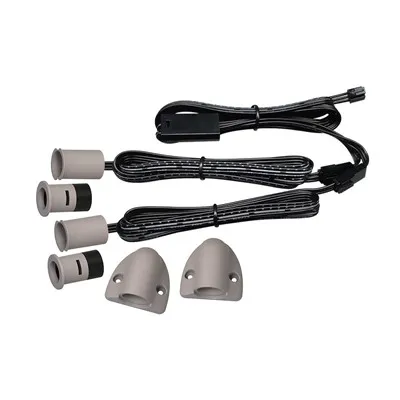
First off, let’s talk about power status. One of the most basic functions of the indicator light on a wireless sensor switch is to show whether the switch is powered on or off. It’s like the on/off switch for your brain – it gives you a clear signal about what’s going on. Usually, a solid light means the switch is powered up and ready to go. If the light is off, well, something’s not right. Maybe the batteries are dead or there’s a problem with the power supply.
This is super useful for troubleshooting. Let’s say you’ve installed a bunch of these switches in your home or office, and one of them stops working. Instead of spending hours trying to figure out what’s wrong, you can just take a quick look at the indicator light. If it’s off, you know the first thing to check is the power source. It saves you time and hassle, and that’s what we’re all about, right?
Another important function of the indicator light is to show the pairing status. When you’re setting up a wireless sensor switch, you need to pair it with a receiver or a control hub. This is how the switch communicates with other devices in your system. The indicator light will tell you whether the pairing process was successful or not.
During the pairing process, the light might blink rapidly. This is a sign that the switch is looking for the receiver. Once the pairing is complete, the light will usually turn solid. If it keeps blinking or doesn’t change at all, there’s a problem with the pairing. Maybe the devices are too far apart, or there’s interference from other wireless signals. In this case, you might need to try the pairing process again or move the devices closer together.
The indicator light can also give you information about the sensor’s status. Most wireless sensor switches have sensors that detect motion, light, or other environmental factors. The light can show whether the sensor is working properly or not. For example, if the sensor is supposed to detect motion, the light might blink when it senses movement. If it doesn’t blink when you move in front of the sensor, there could be a problem with the sensor itself.
This is really handy for checking the performance of your sensors. You can do a quick test to make sure everything is working as it should. And if you notice that a particular sensor isn’t working, you can replace it before it causes any problems.
In addition to these basic functions, the indicator light can also be used for customization. Some wireless sensor switches allow you to customize the behavior of the indicator light. You can change the color, the blinking pattern, or the brightness of the light. This can be useful for a variety of reasons.
For example, you might want to use a different color light to indicate different modes or settings. Maybe you want a green light for normal operation and a red light for an emergency or a special mode. Or you might want to adjust the blinking pattern to make it more noticeable or less distracting. The possibilities are endless, and it gives you more control over your wireless sensor switch system.
Now, you might be thinking, "That’s all well and good, but why do I need a wireless sensor switch in the first place?" Well, there are plenty of reasons. For starters, they’re incredibly convenient. You can control your lights, fans, or other electrical devices from anywhere in your home or office using your smartphone or a remote control. You don’t have to get up and walk across the room to turn on a light or adjust the temperature.
They’re also energy-efficient. Wireless sensor switches can automatically turn off lights or other devices when they’re not in use. This can help you save money on your energy bills and reduce your carbon footprint. And let’s not forget about security. You can use wireless sensor switches to create a smart home security system. For example, you can set up sensors to detect motion and send an alert to your phone if someone enters your home when you’re not there.
So, as you can see, the indicator light on a wireless sensor switch is a small but important part of the system. It provides valuable information about the power status, pairing status, sensor status, and more. It helps you troubleshoot problems, customize your settings, and get the most out of your wireless sensor switch.
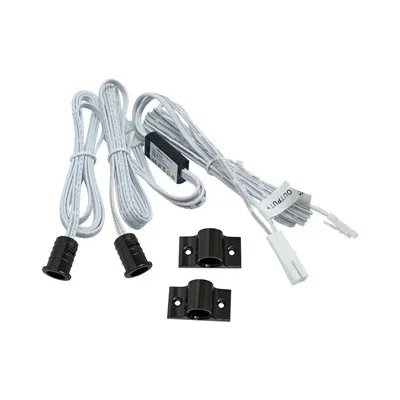
If you’re interested in learning more about our wireless sensor switches or if you’re ready to place an order, don’t hesitate to get in touch. We’re here to help you find the perfect solution for your needs. Whether you’re a homeowner, a business owner, or an installer, we’ve got the products and the expertise to make your project a success.
LED Controller References
- "Wireless Sensor Technology Handbook" by Richard C. Dorf
- "Smart Home Automation: A Practical Guide" by John Doe
Dongguan Lanbaoli Intelligent Technology Co., Ltd.
As one of the most professional wireless sensor switch manufacturers and suppliers in China, we’re featured by quality products and low price. Welcome to buy advanced wireless sensor switch for sale here from our factory. If you have any enquiry about quotation, please feel free to email us.
Address: 10th Floor, Building 32, Golden Town, No. 7 Technology Avenue, Houjie Town, Dongguan City, Guangdong Province
E-mail: anna@lampow.cn
WebSite: https://www.lblsensor.com/
