Hey there! I’m a supplier of PP woven cloth, and I often get asked about the electrical insulation properties of this versatile material. So, let’s dive right in and explore what makes PP woven cloth a great option when it comes to electrical insulation. PP Woven Cloth
What is PP Woven Cloth?
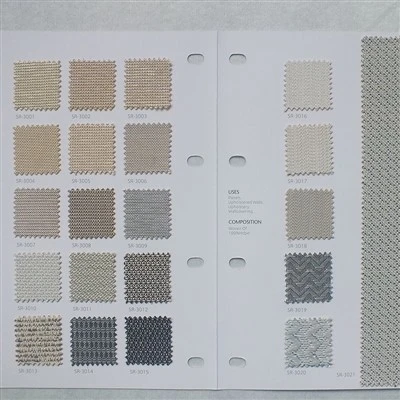
First off, let me quickly explain what we’re talking about. PP stands for polypropylene, which is a type of thermoplastic polymer. PP woven cloth is made by weaving flat strips or tapes of polypropylene together. It’s strong, durable, and has a wide range of applications, from packaging to agriculture.
The Basics of Electrical Insulation
Before we get into the details of how PP woven cloth works as an insulator, let’s have a quick refresher on what electrical insulation is. In simple terms, an electrical insulator is a material that resists the flow of electric current. This is super important in many electrical and electronic applications because it helps prevent short – circuits, electrical shocks, and damage to equipment.
Insulating materials have high electrical resistivity, which means they don’t allow electrons to move freely through them. When you have a conductor, like a copper wire, carrying an electric current, you need to cover it with an insulator to keep the current inside the wire and prevent it from going elsewhere.
Electrical Insulation Properties of PP Woven Cloth
Now, let’s look at why PP woven cloth has good electrical insulation properties.
High Resistivity
Polypropylene itself has a relatively high electrical resistivity. This means that it’s not easy for electric current to pass through it. When the PP is woven into a cloth, this property is maintained. So, even when the cloth is in a woven form, it still resists the flow of electricity.
Low Dielectric Constant
The dielectric constant is a measure of how much a material can store electrical energy in an electric field. PP woven cloth has a low dielectric constant. This is beneficial because it means that the material doesn’t absorb or retain a large amount of electrical energy. When you’re using a material for insulation, you don’t want it to start storing electrical energy and potentially causing problems.
Chemical Stability
PP is a chemically stable material. It doesn’t react easily with other substances in the environment. This is important for electrical insulation because if a material reacts with moisture, chemicals, or other elements, its insulation properties can degrade over time. With PP woven cloth, you can be confident that it will maintain its electrical insulation performance even in different environmental conditions.
Moisture Resistance
Moisture can be a big problem for electrical insulators. Water is a conductor of electricity, so if an insulating material absorbs moisture, it can start to conduct electricity and lose its insulating properties. PP woven cloth is hydrophobic, which means it repels water. This moisture resistance helps it keep its electrical insulation capabilities even in damp or humid conditions.
Applications of PP Woven Cloth in Electrical Insulation
PP woven cloth’s electrical insulation properties make it useful in a variety of applications.
Electrical Equipment Packaging
When shipping electrical components or equipment, you need to protect them from electrical interference and potential short – circuits. PP woven cloth can be used as a packaging material to provide a layer of insulation. It can also protect the equipment from physical damage during transit.
Electrical Enclosures
For electrical enclosures, like those used in control panels or switchgear, PP woven cloth can be used as a lining material. It provides an extra layer of insulation and can help prevent electrical arcing and short – circuits inside the enclosure.
Temporary Insulation
In some cases, you might need temporary electrical insulation. For example, during electrical maintenance or construction work, PP woven cloth can be quickly installed to provide a barrier against electrical current.
Comparing PP Woven Cloth with Other Insulating Materials
There are other materials commonly used for electrical insulation, such as rubber, fiberglass, and PVC. So, how does PP woven cloth stack up against them?
Cost – Effectiveness
PP woven cloth is generally more cost – effective than some other insulating materials. Making it is relatively inexpensive, and it can be produced in large quantities. This makes it a great option for applications where cost is a major factor.
Flexibility
PP woven cloth is very flexible. Unlike some rigid insulating materials, it can be easily bent, folded, or wrapped around different shapes of electrical components. This flexibility gives it an advantage in applications where you need to fit the insulation around irregularly shaped objects.
Durability
In terms of durability, PP woven cloth can last a long time. It’s resistant to abrasion, chemicals, and environmental factors. While materials like rubber might degrade over time due to exposure to sunlight or chemicals, PP woven cloth can maintain its performance for an extended period.
Limitations of PP Woven Cloth as an Electrical Insulator
Of course, like any material, PP woven cloth has its limitations.
Temperature Resistance
PP has a relatively low melting point compared to some other insulating materials. At high temperatures, the material can start to deform or lose its insulating properties. So, it’s not suitable for applications where the temperature is extremely high.
Voltage Rating
PP woven cloth has a certain voltage rating. If the voltage applied is too high, the material might break down and start conducting electricity. So, it’s important to use it within its specified voltage limits.
Tips for Using PP Woven Cloth for Electrical Insulation
If you’re considering using PP woven cloth for electrical insulation, here are some tips to keep in mind:
- Check the Thickness: Thicker PP woven cloth generally provides better insulation. Make sure to choose the right thickness for your application.
- Inspect for Damage: Before using the cloth, check it for any tears, holes, or other damage that could affect its insulation properties.
- Follow Safety Standards: Always follow relevant safety standards and regulations when using PP woven cloth for electrical insulation.
Conclusion
In conclusion, PP woven cloth has some great electrical insulation properties. Its high resistivity, low dielectric constant, chemical stability, and moisture resistance make it a suitable material for many electrical insulation applications. While it has some limitations, it’s a cost – effective, flexible, and durable option.
Sun Shade Fabric If you’re in the market for electrical insulation materials, I’d highly recommend giving PP woven cloth a try. Whether you need it for packaging, enclosures, or temporary insulation, it can do the job. I’m here as a supplier, and I’d love to chat with you about your specific needs. You can reach out to me if you want to discuss more about how PP woven cloth can fit into your projects. Let’s have a good discussion about the best solutions for your electrical insulation requirements.
References
- "Polypropylene: Properties, Processing, and Applications" – A general reference book about polypropylene.
- "Electrical Insulation Handbook" – A comprehensive guide on electrical insulation materials.
Nanping Kingway New Material Co., Ltd.
As one of the most professional pp woven cloth manufacturers and suppliers in China, we also support customized service. With abundant experience, we warmly welcome you to wholesale durable pp woven cloth in stock here from our factory. If you have any enquiry about pricelist, please feel free to email us.
Address: No. 10, Chengnan Branch Road, Chengjiao Town, Nanping, Fujian, China.
E-mail: npjwxcl@aliyun.com
WebSite: https://www.suernew.com/
