Hey there! As a reading glasses supplier, I often get asked about what materials reading glasses frames are made of. It’s a super important topic because the material of the frame can affect not only the look of the glasses but also their durability, comfort, and price. So, let’s dive right in and explore the various materials used to make reading glasses frames. Reading Glasses
Plastic Frames
Plastic is one of the most common materials for reading glasses frames. There are a few different types of plastics used in the eyewear industry, and each has its own set of pros and cons.
Acetate
Acetate is a popular choice for plastic frames. It’s made from cellulose acetate, which is derived from natural materials like cotton and wood pulp. This gives acetate frames a nice, natural feel. They’re also hypoallergenic, which is great for people with sensitive skin.
One of the big advantages of acetate is its versatility. It can be molded into all sorts of shapes and colors, so you can find really stylish frames. You can get frames in solid colors, tortoiseshell patterns, or even bright, bold hues to make a statement. Acetate frames are also relatively lightweight, so they’re comfortable to wear for long periods.
However, acetate frames can be a bit brittle. If you accidentally drop them or bend them too much, they might crack or break. And compared to some other materials, they can be a bit more expensive.
Propionate
Propionate is another type of plastic used in frames. It’s similar to acetate but is more flexible. This means it’s less likely to break if it gets bent. Propionate frames are also lightweight and hypoallergenic.
They’re a great option for people who are a bit rough on their glasses or who need a frame that can withstand a little more wear and tear. The downside is that they might not have the same high – end look as acetate frames, and they can be a bit harder to find in more unique styles.
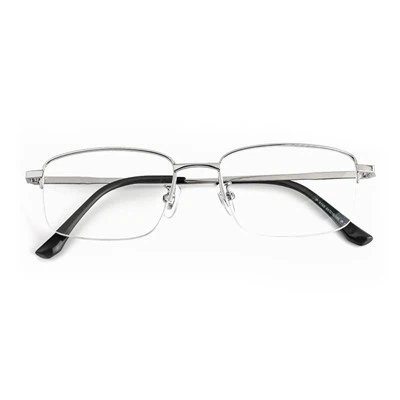
Metal Frames
Metal frames are also very popular for reading glasses. Different metals have different properties, so let’s take a look at the main ones.
Stainless Steel
Stainless steel frames are strong and durable. They’re resistant to corrosion, so you don’t have to worry about them rusting or tarnishing over time. This makes them a great option for people who live in humid environments or who tend to get their glasses wet.
Stainless steel frames are also relatively inexpensive, which makes them a budget – friendly choice. They can be made in a variety of styles, from simple and classic to more modern and trendy. However, they can be a bit heavy compared to some plastic frames, which might be a problem for some people who find heavy glasses uncomfortable.
Titanium
Titanium is a lightweight but incredibly strong metal. Frames made from titanium are very durable and can stand up to a lot of wear and tear. They’re also hypoallergenic, so they’re suitable for people with sensitive skin.
Titanium frames have a sleek and modern look, which many people find appealing. They’re often used in high – end reading glasses because of their quality and appearance. However, the cost of titanium frames is usually higher than that of stainless steel or plastic frames.
Aluminum
Aluminum frames are lightweight and affordable. They’re a good choice for people who want a basic, no – frills pair of reading glasses. Aluminum is also relatively easy to work with, so frames can be made in a variety of shapes.
But aluminum frames aren’t as strong as stainless steel or titanium. They can bend or dent more easily, especially if they’re not treated properly. And they might not have the same long – term durability as some other materials.
Memory Materials
Memory materials are a newer addition to the reading glasses frame market. These materials have the ability to return to their original shape after being bent or distorted.
Memory Metal
Memory metal is an alloy that can remember its original shape. Frames made from memory metal are very flexible and can withstand a lot of bending without breaking. This is great for people who are always on the go and might accidentally sit on their glasses or bend them in their pockets.
Memory metal frames also provide a comfortable fit because they can adapt to the shape of your face. However, they can be a bit more expensive than traditional metal frames, and they might not be as widely available in all styles.
Memory Plastic
Memory plastic frames have similar properties to memory metal frames. They’re flexible and can bounce back into shape after being bent. Memory plastic is also lightweight, which adds to the comfort of wearing the glasses.
These frames are a good option for those who want the benefits of flexibility without the higher cost associated with memory metal. However, like other plastic frames, they might not be as durable as some metal frames.
Other Materials
There are also a few other materials that are sometimes used to make reading glasses frames.
Wood
Wooden frames are a unique and stylish option. They give a natural, warm look to the glasses. Wood is a renewable resource, which makes it an eco – friendly choice.
However, wooden frames require more maintenance than other materials. They can dry out and crack if not properly cared for, and they might not be as suitable for people who spend a lot of time in wet or humid conditions.
Horn
Horn frames are made from the horns of animals, usually cows. They have a beautiful, natural appearance and are very lightweight. Horn is also a hypoallergenic material.
But horn frames are quite rare and expensive. They’re also subject to strict regulations regarding the sourcing of the horn to ensure it comes from sustainable and ethical sources.
So, as you can see, there are a lot of different materials to choose from when it comes to reading glasses frames. Each material has its own advantages and disadvantages, and the right choice depends on your personal preferences, budget, and lifestyle.

If you’re in the market for reading glasses and want to learn more about the different frame materials or see some samples in person, I’d love to chat with you. Whether you’re a retailer looking to stock our products or an individual in need of a great pair of reading glasses, we’ve got you covered. Just reach out, and we can start a conversation about your needs.
Metal Eyeglass Frames References
- "Eyewear Materials: A Comprehensive Guide." Optician Magazine.
- "The Science of Frame Materials." Journal of Vision Care.
- "Choosing the Right Frames for Your Glasses." American Academy of Ophthalmology.
Danyang Boyue Optical Glasses Co., Ltd.
As one of the leading reading glasses manufacturers and suppliers in China, we warmly welcome you to buy bulk cheap reading glasses for sale here from our factory. All customized products are with high quality and competitive price. Contact us for pricelist and free sample.
Address: Boyue Optical Glasses, No. 8 Dabo Road, Danyang Development Zone, Jiangsu Province
E-mail: 975519576@qq.com
WebSite: https://www.cnboyue.com/
