As a supplier of 30C – 35C RC aircraft LiPo batteries, I’ve seen firsthand the importance of understanding the risks associated with using damaged batteries. In the high – octane world of RC aircraft, these batteries are the lifeblood, powering our planes, helicopters, and drones to soar through the skies. However, a damaged LiPo battery can turn a thrilling flight into a dangerous situation. 30C-35C RC Aircraft Lipo Battery
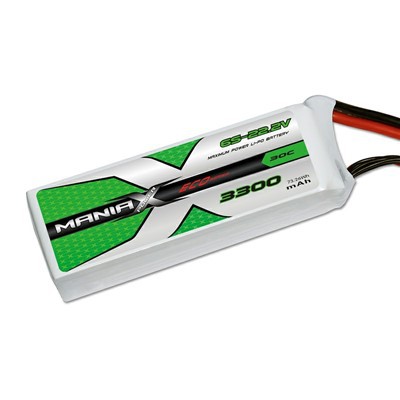
Understanding LiPo Batteries
Before delving into the risks, it’s crucial to understand what LiPo batteries are. Lithium – Polymer (LiPo) batteries are a type of rechargeable battery known for their high energy density, lightweight design, and ability to deliver high currents. The "C" rating in a LiPo battery, such as 30C – 35C, indicates the battery’s discharge rate. A 30C battery can discharge at a rate 30 times its capacity, and a 35C battery can discharge at 35 times its capacity. This high – rate discharge is essential for RC aircraft, as it provides the power needed for rapid acceleration, climbing, and high – speed maneuvers.
Common Causes of Battery Damage
LiPo batteries can get damaged in several ways. One of the most common causes is physical damage. During crashes or rough landings, the battery can be punctured, crushed, or bent. Even a small puncture can expose the internal components of the battery to air and moisture, leading to chemical reactions that can degrade the battery’s performance and safety.
Overcharging is another significant cause of damage. LiPo batteries are sensitive to overcharging, and if they are charged beyond their recommended voltage, it can cause the battery to overheat, swell, or even catch fire. Similarly, over – discharging can also harm the battery. When a LiPo battery is discharged below its minimum voltage, it can cause irreversible damage to the cells, reducing the battery’s capacity and lifespan.
Risks of Using a Damaged 30C – 35C RC Aircraft LiPo Battery
Performance Degradation
A damaged LiPo battery will not perform as well as a healthy one. The internal resistance of the battery may increase, which means that less power will be delivered to the RC aircraft. This can result in reduced flight time, slower acceleration, and decreased overall performance. For example, if you’re flying a high – performance RC plane that relies on the high – rate discharge of a 30C – 35C battery, a damaged battery may not be able to provide the necessary power for sharp turns or high – speed dives.
Safety Hazards
The most significant risk of using a damaged LiPo battery is the potential for a safety hazard. When a LiPo battery is damaged, it can enter a state called thermal runaway. Thermal runaway occurs when the battery’s internal temperature rises uncontrollably, leading to a chain reaction that can cause the battery to overheat, swell, and eventually explode or catch fire.
In the context of an RC aircraft, a thermal runaway can be extremely dangerous. If the battery catches fire during flight, it can cause the aircraft to crash, potentially injuring people on the ground or causing damage to property. Even if the battery doesn’t catch fire in the air, it can still pose a risk when it lands. A hot or damaged battery can start a fire if it comes into contact with flammable materials.
Reduced Lifespan
Using a damaged LiPo battery will also significantly reduce its lifespan. Once a battery is damaged, the internal cells are compromised, and the battery will degrade more quickly over time. This means that you’ll have to replace the battery more frequently, which can be costly in the long run. For example, a healthy 30C – 35C LiPo battery may last for several dozen charge – discharge cycles, but a damaged battery may only last a few cycles before it becomes unusable.
Detecting and Handling Damaged Batteries
As a supplier, I always emphasize the importance of regular battery inspections. Before each flight, you should visually inspect the battery for any signs of damage, such as swelling, punctures, or cuts. You should also check the voltage of the battery using a battery checker to ensure that it is within the recommended range.
If you discover that a battery is damaged, it should be handled with extreme care. Do not attempt to charge or use a damaged battery. Instead, you should place the battery in a fire – proof container and store it in a safe location away from flammable materials. If the damage is minor, you may be able to dispose of the battery properly according to local regulations. However, if the battery is severely damaged or has been involved in a thermal runaway, it should be taken to a professional recycling facility.
Importance of Quality Batteries
To minimize the risk of using damaged batteries, it’s essential to invest in high – quality 30C – 35C RC aircraft LiPo batteries. At our company, we take great pride in providing batteries that are built to the highest standards. Our batteries are made with high – quality materials and undergo rigorous testing to ensure their performance and safety.
We use advanced manufacturing techniques to produce batteries with consistent cell performance and low internal resistance. This not only ensures that our batteries can deliver the high – rate discharge required for RC aircraft but also reduces the risk of damage during normal use.
Conclusion

In conclusion, using a damaged 30C – 35C RC aircraft LiPo battery poses significant risks, including performance degradation, safety hazards, and reduced lifespan. As an RC enthusiast, it’s your responsibility to take proper care of your batteries and to replace them as soon as you detect any signs of damage.
45C RC Aircraft Lipo Battery At our company, we are committed to providing the best quality 30C – 35C RC aircraft LiPo batteries. Our batteries are designed to meet the demanding needs of RC aircraft, providing reliable power and long – lasting performance. If you’re in the market for high – quality LiPo batteries, we invite you to contact us to discuss your requirements. We look forward to working with you to ensure that your RC flights are safe and exciting.
References
- "Lithium – Polymer Batteries: A Comprehensive Guide" by Battery University
- "Safety Guidelines for RC LiPo Batteries" by the Academy of Model Aeronautics
- "The Effects of Overcharging and Over – Discharging on LiPo Batteries" by Journal of Power Sources
ManiaX Power Technology Co., Ltd.
ManiaX Power Technology Co., Ltd. is one of the most reliable 30c-35c rc aircraft lipo battery manufacturers and suppliers in China, also supports customized service. Please feel free to wholesale bulk durable 30c-35c rc aircraft lipo battery made in China here from our factory.
Address: Room 1508, 15/F, Two Grand tower, 625 Nathan Road, Kowloon, HongKong. P.R. China
E-mail: info@maniax-power.com
WebSite: https://www.maniaxpower.com/
