In the dynamic world of packaging, one product stands out for its versatility and practicality: packaging roll film. As a supplier deeply entrenched in this industry, I’ve witnessed firsthand the multifaceted nature of its cost – effectiveness. This blog aims to dissect the various aspects that contribute to the cost – effectiveness of packaging roll film, from production to end – use. Packaging Roll Film
Material and Production Costs
The foundation of cost – effectiveness begins with the raw materials used in packaging roll film production. Common materials include polyethylene (PE), polypropylene (PP), and polyester (PET). These materials are chosen for their balance of cost, durability, and performance. For instance, PE is widely used due to its low cost and excellent flexibility. It can be extruded into thin films at a relatively low cost per unit area.
During the production process, modern manufacturing techniques have significantly improved efficiency. High – speed extrusion lines can produce large volumes of roll film in a short time. The economies of scale come into play here. As the production volume increases, the cost per meter of the roll film decreases. This is because fixed costs, such as the cost of machinery and factory overheads, are spread over a larger number of units.
Moreover, advancements in recycling technology have also contributed to cost savings. Many packaging roll film suppliers, including ourselves, are now able to recycle a significant portion of the waste generated during production. Recycling not only reduces the need for virgin materials but also helps in minimizing waste disposal costs. By reusing recycled materials in the production process, we can maintain a high – quality product at a lower cost.
Transportation and Storage
Packaging roll film offers distinct advantages in terms of transportation and storage. Unlike rigid packaging materials, roll film can be wound tightly onto cores, taking up much less space. This compact form allows for more efficient use of transportation vehicles. A single truck can carry a large quantity of roll film, reducing the number of trips required and thus lowering transportation costs.
In terms of storage, roll film can be stacked vertically in warehouses, maximizing the use of available space. This is in contrast to bulky rigid packaging, which often requires more floor space. Additionally, roll film is lightweight, which further reduces shipping costs. The lower weight means less fuel is consumed during transportation, resulting in cost savings and a reduced carbon footprint.
Customization and Versatility
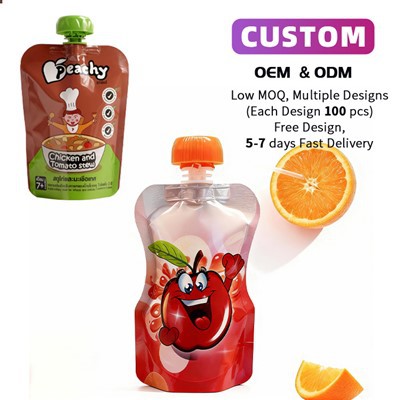
One of the key factors contributing to the cost – effectiveness of packaging roll film is its high degree of customization. We can produce roll film in various thicknesses, widths, and lengths to meet the specific needs of our customers. This customization allows businesses to optimize their packaging requirements. For example, a food manufacturer may require a specific barrier film to protect their products from oxygen and moisture. By providing a customized solution, we can ensure that the customer gets exactly what they need without over – paying for unnecessary features.
The versatility of packaging roll film also extends to its applications. It can be used for a wide range of products, from food and beverages to consumer goods and industrial products. This means that a single type of roll film can serve multiple industries, reducing the need for different types of packaging materials. For instance, a roll film with a certain level of printability can be used for both branding consumer products and labeling industrial parts.
Shelf – Life Extension
Packaging roll film plays a crucial role in extending the shelf – life of products. By providing a barrier against oxygen, moisture, light, and other environmental factors, it helps to preserve the quality and freshness of the packaged goods. This is particularly important for food products, where spoilage can lead to significant losses.
For example, a high – barrier roll film can prevent the oxidation of fats in food products, which can cause rancidity. By extending the shelf – life, businesses can reduce product waste and increase sales. Consumers are also more likely to purchase products with a longer shelf – life, as it gives them more time to use the product. This, in turn, can lead to increased customer satisfaction and loyalty.
Customer – Specific Cost – Benefit Analysis
When working with our customers, we conduct a detailed cost – benefit analysis to determine the most cost – effective packaging solution. This analysis takes into account factors such as the product type, production volume, storage conditions, and transportation requirements.
For small – scale producers, we may recommend a more basic roll film option that meets their budget constraints while still providing adequate protection. For larger manufacturers with high – volume production, we can offer more advanced solutions, such as multi – layer films with enhanced barrier properties. These films may have a higher upfront cost but can result in significant savings in the long run due to reduced product spoilage and improved brand image.
Long – Term Sustainability and Cost – Effectiveness
In today’s market, sustainability is not only an ethical choice but also a cost – effective one. Packaging roll film can be designed to be more environmentally friendly, which can lead to long – term cost savings. For example, using biodegradable or compostable materials can reduce the environmental impact of packaging waste.
Many consumers are now more conscious of the environmental footprint of the products they purchase. By offering sustainable packaging solutions, businesses can attract more customers and gain a competitive edge. In addition, some governments and regulatory bodies are offering incentives for companies that use sustainable packaging materials. These incentives can further offset the cost of using more sustainable roll film options.
Conclusion

In conclusion, the cost – effectiveness of packaging roll film is evident in multiple aspects, from material and production costs to transportation, customization, and shelf – life extension. As a packaging roll film supplier, we are committed to providing our customers with the most cost – effective solutions that meet their specific needs.
Liquid Bag If you are interested in learning more about our packaging roll film products and how they can benefit your business, we invite you to reach out to us for a detailed consultation. Our team of experts is ready to work with you to find the best packaging solution for your products. Let’s discuss how we can optimize your packaging costs while maintaining the highest quality standards.
References
- Smith, J. (2020). Packaging Materials: A Comprehensive Guide. Publisher XYZ.
- Johnson, A. (2019). Cost – Benefit Analysis in Packaging Design. Journal of Packaging Science, 15(2), 45 – 58.
- Green, B. (2021). Sustainable Packaging Solutions for the 21st Century. Environmental Packaging Review, 22(3), 78 – 90.
Shenzhen Hongbang Packaging Production Co., Ltd.
We are one of the most experienced packaging roll film manufacturers and suppliers in China, specialized in providing high quality custom service. Please feel free to buy bulk packaging roll film made in China here from our factory. For quotation and free sample, contact us now.
Address: Room 601, BLDG D, Wisdom Centre, No. 58 Nanlian Road, Longgang, Shenzhen China 518116
E-mail: pm@hongbangpack.com
WebSite: https://www.hongbangpack.com/
