If you’re running a restaurant, convenience store, bar, or any business that relies on a steady supply of commercial ice, thin, fragile ice cubes that melt in minutes or crumble into slush before you even set them on a bar rail can throw off your operations and leave customers frustrated. As a commercial ice maker supplier with 12 years of experience troubleshooting units for everything from small-town diners to large hotel chains, I’ve heard this complaint dozens of times—and it’s rarely a random fluke. Most of the time, thin ice is a sign of preventable, easy-to-fix issues, not a total replacement needed. Below, I’ll break down the most common causes, what you can do to spot them, and how we can help if your unit needs a deeper dive. Commercial Ice Maker
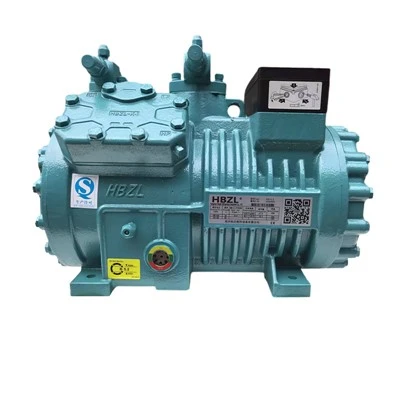
First, let’s start with a core fact: commercial ice makers work by pumping filtered water over cold evaporator plates, where the water freezes in thin layers to form full cubes. For cubes to be dense and solid (the kind that keeps drinks cold for 20+ minutes without diluting them), they need to freeze at a consistent, slow rate. If that freeze cycle gets shortened or interrupted, you end up with paper-thin ice that’s nothing like what your unit is designed to produce. That’s the root of almost every thin ice issue—and it almost always ties back to one of these four problem areas: water supply, evaporator or coil issues, thermostat or sensor malfunctions, or improper unit placement.
Let’s start with water supply, the most common culprit I see. If your ice maker is getting too little water, or water that’s not at the right temperature, it can’t build thick, solid cubes. First, check your water inlet valve. This small part controls how much water flows into the ice maker’s mold during the fill cycle. Over time, mineral buildup (especially from hard tap water) can clog the valve’s opening, reducing water flow so much that only a thin film covers each mold instead of a full, thick layer. I once worked with a gas station in Ohio that went three months with thin ice before we realized their inlet valve was 70% clogged with limescale from the local well water; a quick flush and replacement fixed their ice in 48 hours.
Another water-related issue: cold incoming water. Commercial ice makers are calibrated to work best with water between 40 and 60 degrees Fahrenheit. If your building’s water heater is set too high, or if your water line runs through an unheated basement or outdoor pipe in the winter, incoming water can be 80 degrees or warmer. Warm water freezes faster at the surface, but the core of the cube never gets a chance to solidify properly, leaving you with a hollow, thin outer layer that breaks apart easily. I had a hotel in Florida last year that ran into this: their ice maker was in an unshaded utility closet, and their water line was sitting in 90-degree attic heat. We installed insulation on the line and adjusted their water heater’s bypass for the ice maker, and their ice went from thin to standard density within a week.
Next, evaporator and coil issues, which are tied directly to how your ice maker freezes water. The evaporator plate is the cold surface where ice forms; if it’s covered in frost, scale, or debris, it can’t pull heat away from the water evenly. Let’s be clear: commercial ice makers aren’t like household models that get a quick manual defrost once a year. For large units, scale buildup on the evaporator happens over time from mineral deposits in your water. Even a thin layer of scale (just 1/16 of an inch) can reduce the evaporator’s efficiency by 30%, meaning water freezes faster on the surface and never builds up into thick cubes. Frost buildup is another big one: if your unit’s drain line is clogged, excess water can pool on the evaporator, freeze into a thick frost blanket, and block airflow. I worked with a seafood distributor in Seattle whose ice maker drain line got backed up with fish scraps, leading to a 2-inch frost layer on the evaporator. When we cleared the drain and did a full descale, their ice thickness went from 1/8 inch to 3/8 inch—exactly what their manufacturer recommends.
Then there’s the condenser coil. The condenser is the part that releases heat from the refrigeration system, so it needs to stay clean to keep the evaporator cold enough. If the condenser is covered in dust, grease, or lint (common in busy kitchens with fryers or ventilation systems), it can’t release heat, which makes the entire refrigeration cycle work less efficiently. This leads to shorter freeze cycles: instead of running long enough to build 1/2-inch thick cubes, the unit shuts off early, leaving thin, underdeveloped ice. A favorite example of mine is a pizzeria in Chicago: their condenser was coated in a thick layer of flour and grease from all-day pizza prep, and their ice maker was producing cubes so thin they’d melt before a customer finished a soda. We pulled the condenser and gave it a deep clean, and their freeze cycle extended by 12 minutes, which was exactly the time needed to make full, thick cubes.
Third, thermostat and sensor malfunctions. Commercial ice makers rely on a temperature sensor (called an ice level sensor or harvest thermostat) to tell them when cubes are fully formed and ready to drop. If that sensor is miscalibrated, dirty, or broken, it can trigger a harvest cycle (when ice drops) too early, before cubes are thick enough. For example, if the sensor is reading a temperature that’s 5 degrees higher than actual, it will think the cubes are frozen solid when they’re still just a thin layer on the evaporator. I had a bar in New York City last year that was experiencing thin ice for months, and we realized their ice level sensor was covered in a layer of ice buildup from a minor water leak. The sensor couldn’t accurately detect when cubes were thick, so it would trigger harvest every 10 minutes, instead of the 25 minutes it was supposed to. A quick wipe of the sensor and a calibration fixed it instantly.
Another common sensor issue: the defrost timer. Some commercial ice makers use a timer to trigger a short defrost cycle between harvests, which melts a thin layer of ice on the evaporator to release cubes. If the timer is set to run too often, or is malfunctioning and triggering defrost mid-freeze cycle, it will melt half-formed cubes, leading to thin, irregular ice. This is a lot more common in older units that have had heavy use over 5+ years, and it’s usually a quick part replacement once we diagnose it.
The fourth big cause: improper unit placement. It’s easy to overlook, but where your ice maker sits directly affects its performance. Commercial ice makers need proper clearance around all sides—at least 12 inches on the sides and back, and 24 inches above the unit—for airflow. If you tuck an ice maker into a tight closet, or place it too close to a fryer, oven, or other heat source, the surrounding air temperature can be 10-15 degrees higher than the recommended 70 degrees Fahrenheit. That extra heat means the refrigeration system has to work harder, leading to shorter freeze cycles and thinner ice. I worked with a convenience store in Detroit that had their ice maker placed right next to their soda fountain dispenser, which pumped out constant warm air. After we moved it to a spot 3 feet away, their ice thickness doubled. On the flip side, if your unit is placed in a space that’s too cold (below 50 degrees), it can also cause issues, but that’s far less common.
Now, let’s talk about what to do if you’re already dealing with thin ice, and what we can do to help as your commercial ice maker supplier. First, do a quick 5-minute check to rule out basic issues: Turn off the ice maker, unplug it for 10 minutes to let the system reset, then inspect the water inlet valve for clogs. Flush the drain line to make sure it’s not blocked, and wipe down the evaporator and condenser coils with a soft brush or coil cleaner. Check the unit’s placement to make sure it has proper clearance. If that fixes it, great—you’re all set. If not, it’s likely a deeper issue with a sensor, valve, or coil that needs a professional diagnostic.
As a supplier, we don’t just sell units—we provide ongoing support, maintenance, and repairs tailored to commercial operations. We know that downtime for an ice maker can mean lost revenue, upset customers, and wasted product, which is why we offer same-day service calls for most regional customers, and virtual diagnostic checks for smaller operators who can’t wait for a technician. We also recommend scheduled maintenance: twice a year (spring and fall) descaling, coil cleaning, and sensor calibration to prevent these thin ice issues before they start. Most of the thin ice problems I see are avoidable with regular upkeep, and we make that process easy with affordable maintenance plans for every business size.
I’ve also noticed a common mistake among new commercial ice maker owners: buying the cheapest unit to save money upfront, only to deal with thin ice and frequent breakdowns within a year. A unit that’s sized too small for your ice demand (for example, a 500-lb unit for a restaurant that needs 1,000 lbs a day) will struggle to keep up, leading to faster freeze cycles and thinner ice. That’s why we take the time to assess your specific needs before you buy—we look at your peak hours, number of customers, and storage space to match you with the right size and model, so you never have to deal with underperforming ice again.
Another thing I want to emphasize: thin ice isn’t just a nuisance—it can hurt your business. Customers notice when their soda gets watered down halfway through, or when a drink’s ice melts before they finish it. Studies from the National Restaurant Association show that quality ice is one of the top 3 factors customers mention when rating a bar or restaurant’s experience, right after service and food quality. That’s why fixing thin ice isn’t just about keeping your unit working—it’s about keeping your customers happy.
If you’ve tried the basic checks and your ice is still thin, or if you’re noticing other issues (like strange noises, leaks, or your ice maker cycling on and off constantly), don’t wait for it to get worse. Reach out to us to discuss your ice maker’s needs, whether you’re looking for a repair, a maintenance plan, or a new unit tailored to your business. We’ve helped hundreds of operators fix thin ice issues quickly, and we’re ready to help you too.

At the end of the day, commercial ice makers are workhorses, but they need regular care to perform their best. Thin ice is almost never a sign you need to replace your entire unit—most of the time, it’s a small fix that takes 30 minutes to an hour. By addressing water supply, coil and evaporator condition, sensor functionality, and placement, you can get back to producing dense, long-lasting ice that keeps your drinks cold and your customers happy.
Refrigeration Expansion Valve References
- Commercial Ice Alliance. (2022). “Common Ice Quality Issues and Root Causes.” Annual Maintenance and Best Practices Report.
- National Restaurant Association. (2021). “Front-of-House Customer Experience Benchmarks: Ice Quality as a Key Perception Driver.”
- ASHRAE. (2020). “Commercial Refrigeration Equipment Standards for Ice Makers.” HVAC Applications Handbook.
- International Association of Refrigeration Contractors. (2023). “Preventive Maintenance Guidelines for Commercial Ice Maker Coils and Valves.”
Zhejiang Xuanyuntong Refrigeration Technology Co., Ltd.
Zhejiang Xuanyuntong Refrigeration Technology Co., Ltd. is one of the most experienced commercial ice maker manufacturers and suppliers in China. We warmly welcome you to wholesale high quality commercial ice maker made in China here from our factory. Also, custom service is available.
Address: South Side, No.9 Zhongyuan, Pukou Sub-district, Shengzhou City, Shaoxing City, Zhejiang Province, China
E-mail: admin@xytrefrigeration.com
WebSite: https://www.xytrefrigeration.com/
