Hey there, if you’re in the market for industrial sludge dewatering centrifuges (or maybe you just got stuck trying to figure out why that “cheap” unit your buddy recommended keeps throwing random error codes mid-shift), this post is for me—wait, no, for you. I’m the lead of a small centrifuge supply team, and I’ve lost count of how many times a client has called panicking because their new machine didn’t pass plant safety audits, or worse, someone got hurt because they skipped the right certifications. Let’s cut the jargon and break down exactly what safety certifications you actually need for these bad boys—no fluff, just real stuff we deal with every week. Industrial Sludge Dewatering Centrifuge
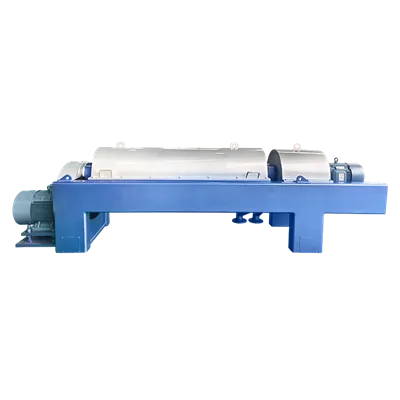
First off, let’s get one thing straight: industrial sludge dewatering isn’t playing around. This is the gunk left over from wastewater treatment, food processing, mining, chemical plants—stuff that’s often toxic, corrosive, or just plain messy. The centrifuges spin that at thousands of RPMs to squeeze out water, so there’s moving parts, heavy loads, and pressure that can go sideways if you don’t follow safety rules. I’ve seen a centrifuge’s guard get ripped off (some idiot thought it was in the way) and a bolt fly 20 feet, so trust me, certifications aren’t just a box to check. They’re proof someone’s already tested this thing to not turn into a hazard.
Let’s start with the big one for North America, since that’s where most of our clients are: OSHA-aligned certifications. Wait, no—more specifically, UL and CSA. If you’re selling or using equipment in the US, Underwriters Laboratories (UL) certification is non-negotiable for electrical parts, and the whole unit often needs to be UL-listed. For Canada, CSA Group is the go-to, but a lot of machines these days have dual UL/CSA to cover both. What does that mean for a sludge centrifuge specifically? It means the electrical enclosure (which controls the spin motor, feed pumps, etc.) is rated for industrial environments—think dust, moisture, even occasional splashes of corrosive sludge. We had a client a few months back who tried to use a “generic” centrifuge for their food processing sludge; the control panel wasn’t UL-rated, and OSHA shut them down mid-audit. They had to scrap the whole unit and buy the certified one from us. Ouch.
Then there’s the European side, since we ship to EU too—CE marking. Not just a sticker, right? CE means the machine meets all EU safety, health, and environmental standards for the entire European Economic Area. For centrifuges, that covers specific stuff like mechanical safety (guards on the rotating bowl, emergency stop buttons that are within arm’s reach from every side of the machine), electrical safety (again, for industrial use), and even noise emissions. Sludge dewatering plants can be loud, so CE cert requires that the machine doesn’t blow past set noise limits—otherwise, your operators can’t work full shifts without hearing damage. We recently shipped a unit to a client in Germany that failed their initial on-site noise test until we adjusted the fan settings to meet CE’s noise specs; that’s the kind of fine-tuning that certified units get pre-shipment, no headaches later.
Wait, don’t forget pressure and vessel certifications. Sludge centrifuges operate under pressure, right? The spinning bowl is a pressure vessel, so if you’re in the US, that means ASME PTC (Performance Test Code) and ASME Section VIII certification. ASME is the American Society of Mechanical Engineers, and their Section VIII is the gold standard for pressure vessels that don’t require a stamp from a state agency, though some areas do. For high-pressure centrifuges (like ones used for dewatering hazardous sludge, not just municipal wastewater), you might even need the National Board “R” stamp if you’re dealing with repairs or modifications down the line. I’ve had a mining client ask if they could skip ASME cert because “our old machine worked fine without it” — until a bowl warp caused a leak that flooded their facility. That’s 100% avoidable with proper pressure vessel testing.
Speaking of hazardous sludge, if you’re handling stuff that’s classified as toxic, flammable, or explosive (like sludge from chemical manufacturing or oil and gas), you need ATEX certification in the EU or IECEx globally. ATEX is for explosive atmospheres, and IECEx is the international equivalent. What does that mean for your centrifuge? All electrical parts, even tiny sensors, are intrinsically safe—meaning they can’t spark and ignite flammable fumes that sludge might release. We had a client in Texas that was dewatering shale sludge; their old centrifuge had a standard motor that sparked every time it started, and they almost had a disaster when hydrogen sulfide fumes built up. We swapped it for an ATEX/IECEx-certified unit, and they haven’t had a single issue since. That’s not something you want to cut corners on—one spark could level a whole plant.
Then there’s two certifications that people often sleep on, but they’re make-or-break for reliability and operator safety: ISO 12100 and ISO 10218? Wait no, wait—ISO 12100 is general machinery safety, but for sludge centrifuges specifically, it’s ISO 14159. Oh right, ISO 14159 is the standard for centrifuges for hazardous materials. It covers everything from guard design (they have to be interlocked so the machine won’t spin if you open them) to material selection (the bowl has to be corrosion-resistant to match the sludge you’re handling—so if you’re dealing with acidic sludge, it’s certified to hold up without corroding). We make sure every centrifuge we sell has ISO 14159, because that’s what our municipal and industrial clients actually ask for. And for quality management systems that tie into safety, ISO 9001 is a bonus, because it means the whole manufacturing process is checked for safety at every step, not just the final unit.
Wait, let’s talk about common mistakes we see all the time. A lot of clients will ask for “basic certifications” to save money, but those usually only cover generic motors or electrical parts, not the whole unit. For example, a standard motor certification doesn’t mean the centrifuge’s control system is rated for industrial dust and moisture. Or someone will take a centrifugal pump certification and assume it applies to the sludge centrifuge—nope, totally different machine, different safety requirements. Another big one: emergency stop (E-stop) certification. A lot of machines have E-stops, but they have to be certified to meet OSHA or CE specs—meaning they trigger instantly, not after a 2-second delay, and they’re the big red mushroom button that everyone can see, not a tiny toggle switch. We actually modified a client’s old centrifuge once because their E-stop was mounted behind a pipe, so no one could reach it in an emergency. That’s the kind of thing certifications fix upfront.
Also, what about specific industry certifications? If you’re in municipal wastewater treatment, a lot of plants require NSF/ANSI 61 certification, because that means the machine’s wetted parts (the parts that touch sludge and water) are non-toxic and won’t leach chemicals into the water during treatment. We had a small municipal plant that bought a used centrifuge from a private company; it didn’t have NSF 61, so they couldn’t use it for drinking water-adjacent sludge. They ended up buying our NSF-certified unit, and it passed their first test. For mining, you might need MSHA approval in the US, since mining facilities have their own strict safety rules for machinery used underground or around toxic sludge.
Let me break this down for you in a quick cheat sheet, because I know you’re probably skimming to find what you need:
- US General Industrial: UL-listed (full unit), ASME Section VIII (pressure vessel), OSHA-aligned E-stops
- EU/EEA: CE marking (covers mechanical, electrical, noise)
- Hazardous Sludge (global): ATEX (EU) / IECEx (global)
- Municipal/Drinking Water: NSF/ANSI 61
- Mining (US): MSHA Approval
- Anywhere: ISO 14159 (centrifuge-specific safety), ISO 9001 (quality assurance)
Wait, but why does this matter for you, specifically? As a supplier, we test every single centrifuge before it leaves our shop. We don’t just put a sticker on it—we run 24-hour spin tests with actual sludge to make sure the guards hold, the E-stops work, the pressure doesn’t spike, and there are no leaks. We’ve had clients come to us after a bad experience with an uncertified unit, and they’re shocked at how much less downtime they have with certified machines. No mid-shift shutdowns because the control panel shorted, no OSHA fines, no safety incidents. That’s worth the extra cost, right?
I get it, certifications can feel like a hassle. You just want a machine that works, dewaters your sludge, and doesn’t break the bank. But trust me—skipping the right ones will cost you way more in the long run. Fines, downtime, repairs, even worker’s comp claims—we’ve seen all of it. Last year, a client saved $5k on a cheap uncertified centrifuge, but then they got a $12k OSHA fine, spent $8k on repairs when the bowl warped, and had to shut down for 3 weeks while waiting for a certified replacement. That’s a $25k loss for a $5k “savings” — not worth it.
If you’re not sure which certifications apply to your specific use case—whether you’re handling municipal sludge, food processing waste, mining sludge, or hazardous industrial gunk—hit us up. We don’t do pushy sales calls; we just walk you through exactly what you need, send over the certification docs, and answer any questions you have. No jargon, no hidden fees, no fine print. We’ve worked with small plant managers and big industrial teams, so we know how to tailor this to your needs. At the end of the day, it’s not just about selling a centrifuge—it’s about keeping your workers safe, your plant running, and you not stressing about audits or breakdowns.
Wait, one last thing: if you run into a supplier that says “our machines are certified” but can’t give you a copy of the actual certification (not just a picture of a sticker), walk away. Sticking a UL sticker on a generic unit is easy, but having the official, audited certification that proves the entire machine meets safety standards is non-negotiable. We give every client a full set of certification docs before the unit even ships, so they can show their plant managers or auditors right away. That’s the kind of transparency you won’t get from a lot of suppliers.
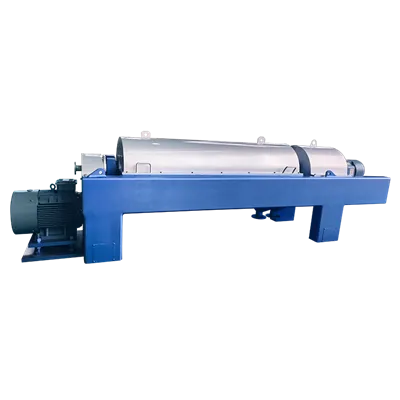
So to wrap this up: industrial sludge dewatering centrifuges don’t just need one certification—they need a suite of them, tailored to your location and the type of sludge you’re handling. Don’t cut corners here. If you’re ready to chat through your specific needs, or just want to confirm what certifications your current setup is missing, reach out. We’re here to help, not just make a sale.
3 Phase Decanter Centrifuge References:
- American Society of Mechanical Engineers (ASME) Boiler and Pressure Vessel Code, Section VIII: Rules for Construction of Pressure Vessels
- Underwriters Laboratories (UL) Standard for Safety for Industrial Control Equipment, UL 61800-5-1
- European Committee for Standardization (CEN) EN 14159: Centrifuges for hazardous materials – Safety requirements
- International Electrotechnical Commission (IEC) IECEx System for Certification to Standards for Explosive Atmospheres
- NSF International NSF/ANSI Standard 61: Drinking Water System Components – Health Effects
Lishui Yuanrong Environmental Protection Equipment Co., Ltd.
As one of the most professional industrial sludge dewatering centrifuge manufacturers and suppliers in China, we have world-leading production equipment and strong manufacturing capabilities. Please feel free to buy customized industrial sludge dewatering centrifuge from our factory. Also, quotation is available.
Address: Lot 6-1, Block 15, Wanyang Zongchuang City, Lishui, Zhejiang, China
E-mail: 361184920@qq.com
WebSite: https://www.yrhdc.com/
