Hey everyone, it’s Jake here, and as someone who’s spent the last 12 years supplying waler plates to construction teams across North America, I get asked one question more than any other these days: “Will those waler plates hold up if they’re sitting outside in the sun all day?” Waler Plate

Most construction sites are tight on space, right? You don’t always have a covered yard to store materials, and sometimes you have to stack waler plates right next to the foundation trench, exposed to the elements. A lot of folks assume that since waler plates are made of steel—something they’ve been using for decades—they’re invincible against sun damage. But here’s the thing: UV rays do affect them, and ignoring that small detail could turn a minor material cost into a huge project headache. I’ve seen it happen firsthand. Last year, a small general contractor in Ohio placed a 200-foot order with us, stored half the shipment in an uncovered lot, and three months later, half those plates had corroded so bad they had to be scrapped mid-project. The delay cost them $18,000 in penalty fees, all because they thought UV rays didn’t matter for steel. Let’s break this down clearly, so you don’t make the same mistake they did.
First, let’s get back to basics. What’s a waler plate, for anyone new here? It’s that flat, horizontal steel beam you see tied to formwork, those wooden or concrete molds that hold concrete in place until it sets. Waler plates transfer the pressure of wet concrete evenly to the ground or supporting piles, so they don’t bow or crack during a pour. They’re usually made of carbon steel, with a protective coating—hot-dip galvanizing is the most common, sometimes a powder coat for projects that need extra corrosion resistance. That coating is key here because it’s the first line of defense against UV damage.
So, how do UV rays actually impact steel? I know when you hear “UV damage,” you might think of faded patio furniture or cracked window seals, not metal. But ultraviolet light is a form of high-energy radiation from the sun, and it breaks down molecular bonds in organic materials first. Wait, but steel is inorganic, right? It’s mostly iron and carbon. Well, the protective coatings on waler plates? Those are organic. Galvanized steel has a layer of zinc, but a lot of galvanized plates also have a topcoat—either a paint, a powder coating, or sometimes a wax-based sealant to prevent flash rust during storage. That coating is what UV rays attack.
Let’s walk through the process step by step. When UV light hits a coated waler plate, the radiation penetrates the top layer of the coating, breaking down the polymer chains that hold the coating together. Over time, this causes what’s called “chalking”—the coating starts to crumble into a fine, powdery residue. Once that chalking happens, the coating can no longer block moisture or oxygen from reaching the zinc layer or the steel underneath. Zinc is actually a sacrificial metal, right? It corrodes before steel does, so even if the coating gets scratched, the zinc will corrode instead of the steel. But if the coating is gone because of UV damage, the zinc starts corroding faster—exfoliating into rust flakes that flake off, exposing fresh zinc and steel underneath.
The rate of this damage depends on a lot of factors, and it’s not one-size-fits-all. I’ve had projects in Arizona where waler plates stored outside for six months showed more UV damage than plates stored in Ohio for two years. That’s because Arizona gets 300+ days of sun a year, with higher UV intensity, especially during the summer months. Humidity also plays a role—if you’re in a place where the air is damp, even a small amount of UV damage to the coating means moisture can get to the metal faster, accelerating corrosion. Wind and temperature swings matter too; extreme heat can make coatings brittle, so they crack more easily, while freezing and thawing causes the coating to expand and contract, creating tiny cracks that UV rays can penetrate deeper over time.
Wait, but what if your waler plates are uncoated? Some small contractors use plain, raw steel plates to save a few bucks upfront. Those are way more susceptible to UV damage, even though they don’t have a coating to break down. Raw steel will start forming flash rust within 24 hours of being exposed to moisture, and that rust actually creates tiny pores in the steel surface, which can absorb UV radiation and speed up the oxidation process. I once had a customer in Texas use uncoated plates for a small residential foundation project; after a month, the plates had so much surface rust that they didn’t sit flush against the formwork, leading to uneven concrete and a $2,000 fix for the client. So even if you’re cutting costs by skipping the coating, UV rays will find a way to eat at your material.
Now, the big question: is there a way to prevent this? For most construction teams, storing materials indoors isn’t always an option, so we’ve worked with our engineers to develop a couple of solutions over the years that have made a huge difference. First, we upgraded our standard coating for all waler plates to a UV-stabilized powder coat. A lot of suppliers offer generic powder coats that look good but fade fast, but our powder coat has UV inhibitors added to the polymer mix—those chemicals absorb UV radiation before it can break down the coating’s molecular bonds. We’ve tested these plates in our on-site UV chamber, simulating three years of sun exposure in 90 days, and the coating only showed minor fading, no chalking or cracking.
Second, we also offer a temporary UV-resistant sealant for plates that have to be stored outside long-term. It’s a wax-based product that we apply as a thin layer before shipping, and it forms a flexible barrier that blocks both UV rays and moisture. It’s easy to wipe off when you’re ready to use the plates, so it doesn’t leave any residue on the concrete or formwork. We’ve had customers in Florida use this sealant for up to a year of outdoor storage, and their plates still had full protective coating when they were put into service.
But even with these solutions, there are a few best practices you can follow to minimize UV damage to your waler plates, no matter what kind you use. First, if you have to store them outside, stack them on pallets, not directly on the ground. That keeps them elevated from moisture, and if you place a thin tarp over the top stack (make sure it’s a UV-resistant tarp, not a plastic one that traps moisture), you can block most direct sun and rain. Second, avoid stacking plates too high—if the bottom plates are sitting under two or three layers, they’re more prone to rust from trapped moisture, even if the top ones are in the sun. Third, inspect your plates before use. Even if they look good, run a magnet over the zinc layer; if the magnet doesn’t stick as strong in some spots, that means the zinc has corroded, and you’ll need to treat those areas before installing.
I know what some of you are thinking: this sounds like a lot of extra work, and a lot of extra cost, just to keep waler plates from rusting. But let’s do the math. A standard 10-foot waler plate from us costs about $120. If you have 50 of them for a small project, that’s $6,000. If they get damaged from UV rays, you either have to buy new ones mid-project (waiting an extra week, missing a deadline) or fix the corrosion, which adds labor time. On a $100,000 foundation project, a one-week delay can cost $10,000 or more in overhead, penalties, and lost revenue. Plus, if your waler plates aren’t structurally sound, you risk the formwork bowing during concrete pour, which leads to uneven concrete that has to be ground or replaced—costing thousands more.
We started paying attention to UV damage about eight years ago, after that Ohio contractor incident I mentioned earlier. At first, we thought it was a one-off, but then we started getting calls from other customers with the same problem. We dug into the research, tested dozens of coatings, and finally settled on the current UV-stabilized powder coat that we use for all our waler plates now. Since we made that change, we’ve seen a 90% drop in reports of UV-related corrosion, and our customer retention rate for waler plate orders is up 35%. It’s not just about selling plates—it’s about making sure our customers’ projects go smoothly, and that means giving them materials that stand up to whatever the site throws at them, including harsh sun.
Wait, let’s address a common myth I hear all the time: “Hot-dip galvanizing is enough to protect steel from everything, including UV rays.” That’s only partially true. Galvanizing creates a thick layer of zinc that’s very durable, but pure zinc does degrade over time when exposed to UV rays, even if it’s not coated. Studies have shown that uncoated galvanized steel will lose about 10% of its protective zinc layer after 10 years of sun exposure in high-UV areas. So if you’re storing galvanized plates outside for more than a year, you’re going to start seeing pitting and corrosion, even with galvanizing. The powder coat we add on top isn’t just for looks—it doubles the lifespan of the zinc layer, so your plates will last twice as long, whether they’re stored indoors or outside.
Another thing to consider: if you’re renting waler plates instead of buying them, UV damage is even more of a concern. Rental companies have to inspect every plate before it’s sent out, and if a plate has excessive corrosion from UV damage, they charge you for replacement. I’ve had multiple rental customers tell me that UV-related corrosion is their single biggest cost when it comes to waler plate inventory. By buying plates with UV-stabilized coating, you can sell them once, reuse them on multiple projects, and even resell them later for a good price—unlike corroded plates that are basically scrap.
Let’s wrap this up with a few key takeaways so you don’t have to remember all the details. First, yes, UV rays do affect waler plates, because they break down the protective coatings that keep steel and zinc safe. Second, the rate of damage depends on sun intensity, humidity, and how you store the plates—more sun and moisture means faster damage. Third, you can prevent most UV damage by choosing plates with UV-stabilized coatings, using temporary sealants for long-term outdoor storage, and following basic storage practices like pallets and UV-resistant tarps. Fourth, the cost of preventing UV damage is way less than the cost of fixing corrosion-related delays or repairs.
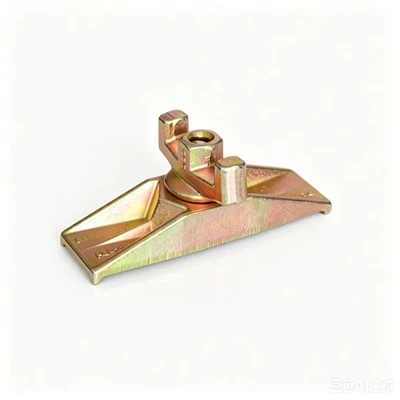
If you’re working on a project right now and need waler plates, or you’re worried about your current inventory holding up in the sun, feel free to reach out. We can help you find the right type of plate for your project, whether you need a small order for a residential home or a bulk order for a commercial development. We also offer custom sizes and coatings, so if you have specific needs, we can adjust our products to fit. Don’t let UV rays ruin your project—get in touch to talk through your requirements, and we’ll make sure you have the right materials to get the job done right, on time, and on budget.
Frame Scaffolding References
- American Galvanizers Association. (2021). Effects of ultraviolet radiation on galvanized steel. Technical Bulletin 12-03.
- National Association of Home Builders. (2022). Construction material storage best practices: Protecting steel and metal components. Construction Technology Report Series.
- Powder Coating Manufacturers Association. (2020). UV stabilization in protective coatings for construction materials. Industry Standards Update.
- International Code Council. (2023). Formwork and shoring material specifications for concrete construction. Building Code Requirements.
Rizhao Wellfit Scafform Co., Ltd.
Address: No. 7, Huasheng Road, Taoluo Town Industrial Zoon, Donggang District, Rizhao City
E-mail: sales@wfscafform.com
WebSite: https://www.wfscafform.com/
