Insulation resistance is a critical parameter in the performance and safety of electronic components, particularly for chips and LEDs. As a supplier dedicated to providing high – quality chips and LEDs, understanding and meeting the appropriate insulation resistance requirements is of utmost importance. In this blog, I will delve into the significance of insulation resistance for chips and LEDs, the specific requirements, and how our company ensures compliance to offer reliable products. Chip & LED
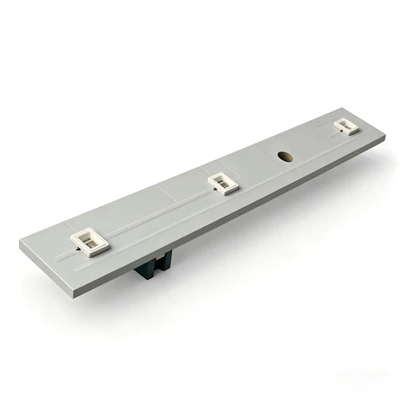
The Significance of Insulation Resistance for Chips and LEDs
Insulation resistance refers to the resistance between two conductive parts separated by an insulating material. In the context of chips and LEDs, it plays several vital roles.
Safety
One of the primary reasons insulation resistance is crucial is for safety. In electronic devices, chips and LEDs are often used in close proximity to other components and are connected to power sources. A proper insulation resistance prevents electrical leakage, which can lead to short – circuits, overheating, and even electrical shocks. For example, in consumer electronics such as smartphones or laptops, a small chip with poor insulation resistance could potentially cause a malfunction that may endanger the user.
Performance Stability
Insulation resistance also affects the performance stability of chips and LEDs. In a chip, different circuits need to be electrically isolated to prevent interference. If the insulation resistance is too low, cross – talk may occur between adjacent circuits, leading to incorrect signal processing and reduced functionality. For LEDs, poor insulation can cause unstable current flow, resulting in flickering or inconsistent light output.
Longevity
Adequate insulation resistance contributes to the longevity of chips and LEDs. High – quality insulation materials with good insulation resistance can prevent the degradation of components caused by electrical stress. Over time, low insulation resistance can lead to the gradual breakdown of insulating materials, increasing the likelihood of component failure.
Specific Insulation Resistance Requirements for Chips
Integrated Circuit (IC) Chips
IC chips are the heart of modern electronic devices, and they have strict insulation resistance requirements.
- Threshold Values: For most general – purpose IC chips, the insulation resistance between different pins or circuits should typically be in the range of several mega – ohms (MΩ) to giga – ohms (GΩ). For example, in a low – power microcontroller chip, the insulation resistance between power supply pins and ground pins should be typically above 10 MΩ to ensure proper power management and prevent power leakage.
- Operating Conditions: The insulation resistance requirements can also vary depending on the operating conditions. In high – temperature environments, the insulation resistance of chips may decrease due to the increased conductivity of insulating materials. Therefore, chips designed for high – temperature applications need to maintain a high enough insulation resistance even at elevated temperatures. For example, in automotive electronics, where chips are exposed to high – temperature conditions under the hood, the insulation resistance requirements may be even more stringent, sometimes requiring values above 100 MΩ at temperatures up to 125°C.
Memory Chips
Memory chips, such as DRAM and NAND flash, also have specific insulation resistance requirements.
- Data Integrity: In memory chips, proper insulation resistance is crucial for maintaining data integrity. A low insulation resistance can cause data corruption due to electrical interference between memory cells. For example, in a high – density NAND flash memory, the insulation resistance between adjacent memory cells should be high enough to prevent the leakage of electrical charges, which could otherwise lead to incorrect data storage and retrieval.
- Scalability: As memory chips continue to scale down in size, maintaining high insulation resistance becomes more challenging. Smaller feature sizes mean that the insulating materials between components are thinner, which can reduce the insulation resistance. Therefore, advanced manufacturing processes and materials are required to meet the insulation resistance requirements for next – generation memory chips.
Specific Insulation Resistance Requirements for LEDs
LED Packages
LED packages consist of the LED die, bonding wires, and encapsulation materials, and each part has an impact on the overall insulation resistance.
- Leakage Current Prevention: The insulation resistance between the leads of an LED package should be sufficient to prevent leakage current. A typical requirement for small – to – medium – power LED packages is an insulation resistance of at least 1 MΩ. This ensures that most of the current flows through the LED die to produce light efficiently, rather than leaking through the insulation.
- Moisture and Contamination Resistance: LEDs are often used in various environments, including outdoor and high – humidity areas. Moisture and contaminants can reduce the insulation resistance of the LED package. To combat this, LED manufacturers need to ensure that the encapsulation materials have good moisture resistance and can maintain a high insulation resistance even in harsh conditions. For example, in street lighting applications, LEDs need to have an insulation resistance of above 10 MΩ under moisture – prone conditions.
LED Modules
LED modules are composed of multiple LEDs connected together, and they also have their own insulation resistance requirements.
-
Electrical Isolation: In an LED module, good electrical isolation between different LEDs and between the LEDs and the module’s substrate is necessary. A high insulation resistance helps to prevent electrical interference between LEDs, ensuring uniform brightness and color consistency. For large – scale LED display modules, the insulation resistance between adjacent LED strings should be at least 10 MΩ to avoid visible differences in light output.
-
Safety in High – Voltage Applications: In some high – voltage LED applications, such as automotive headlamps or industrial lighting, the insulation resistance requirements are even more stringent. The LED modules need to withstand high voltages without significant leakage current. For example, in an automotive LED headlamp module operating at 48 V, the insulation resistance between the power supply and the grounded parts of the module should be above 100 MΩ to ensure safe and reliable operation.
How Our Company Ensures Compliance
As a supplier of chips and LEDs, we take several measures to ensure that our products meet the appropriate insulation resistance requirements.
Material Selection
We carefully select high – quality insulating materials for both chips and LEDs. For chips, we use advanced dielectric materials with excellent insulation properties. These materials are chosen not only for their high initial insulation resistance but also for their stability under different operating conditions, such as temperature and humidity changes. In the case of LEDs, we select encapsulation materials that provide good moisture and chemical resistance, which helps to maintain a high insulation resistance over time.
Manufacturing Process Control
Our manufacturing processes are strictly controlled to ensure the proper formation of insulation layers. In chip manufacturing, we use precise deposition and etching techniques to create thin – film insulating layers with consistent thickness and quality. For LEDs, we pay close attention to the bonding and encapsulation processes to ensure that there are no defects in the insulation. Additionally, we conduct in – process inspections to detect and correct any issues that may affect the insulation resistance.
Testing and Quality Assurance
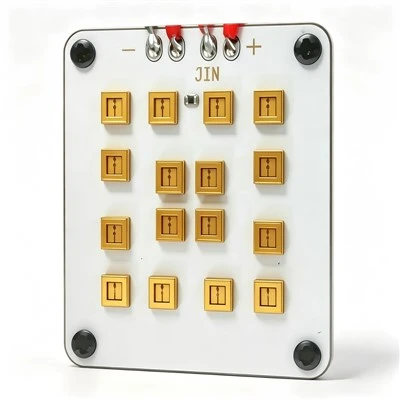
We have a comprehensive testing program in place to verify the insulation resistance of our products. Before shipping, each batch of chips and LEDs undergoes insulation resistance testing using specialized equipment. We also perform environmental testing under different temperature and humidity conditions to ensure that the products can maintain the required insulation resistance in real – world applications. Our quality assurance team monitors the test results closely and takes corrective actions if any product fails to meet the specified requirements.
Contact Us for Procurement
LED Module If you are in the market for high – quality chips and LEDs that meet strict insulation resistance requirements, we are here to assist you. Our team of experts can provide personalized solutions based on your specific application needs. Whether you are working on consumer electronics, automotive, or industrial projects, we have the right products for you. Don’t hesitate to reach out to us for procurement discussions. We are committed to providing you with reliable components that will enhance the performance and safety of your end products.
References
- "Fundamentals of Microelectronics" by Behzad Razavi.
- "LED Lighting Engineering" by Qingjun Meng and Naiqian Shi.
- Industry standards documents related to chip and LED manufacturing, including JEDEC standards for memory chips and IEC standards for LEDs.
UVLEDTEK Group
As one of the most professional chip & led manufacturers and suppliers in China, our products have good reputation in the market. Please rest assured to buy high quality chip & led at competitive price from our factory. For more information, contact us now.
Address: Huangshi Industrial Zone, Putian City, Fujian Province, China
E-mail: info@uvledtek.com
WebSite: https://www.uvledtek.com/
