Do rubber dams need to be replaced regularly?
As a supplier of rubber dams, I’ve encountered numerous inquiries from customers and industry peers regarding the necessity of regular replacement of rubber dams. This topic is not only crucial for the efficient operation of various projects but also directly impacts cost – effectiveness and safety. In this blog, I’ll delve into the factors that determine whether rubber dams need regular replacement and offer insights based on my years of experience in the industry. Rubber Dam
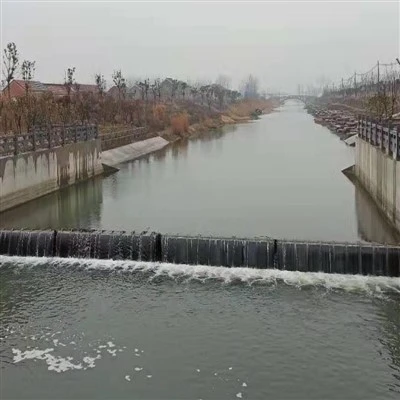
Understanding Rubber Dams
Before we discuss the replacement aspect, it’s essential to understand what rubber dams are and how they function. Rubber dams are flexible water – retaining structures typically made of high – strength synthetic rubber and reinforced with fiber fabric. They are widely used in water conservancy projects, such as flood control, irrigation, water supply, and hydropower generation. Their advantages include easy installation, low cost, and the ability to adjust the water level as needed by inflating or deflating the dam.
Factors Influencing the Lifespan of Rubber Dams
-
Material Quality
The quality of the rubber and reinforcing materials used in the manufacturing of rubber dams plays a significant role in their longevity. High – quality materials are more resistant to environmental factors such as UV radiation, oxidation, and chemical corrosion. For example, rubber compounds with excellent weather resistance can withstand long – term exposure to sunlight without significant degradation. At our company, we source top – grade raw materials and adhere to strict manufacturing standards to ensure the durability of our rubber dams. -
Environmental Conditions
The environment in which a rubber dam is installed has a profound impact on its service life. In regions with extreme temperatures, either very high or very low, the rubber may expand or contract, leading to stress on the material over time. Additionally, exposure to industrial pollutants, agricultural chemicals, and saltwater can accelerate the deterioration of the rubber. For instance, in coastal areas where the air contains a high concentration of salt, rubber dams may experience more rapid corrosion. -
Usage Frequency and Load
The frequency of inflation and deflation of a rubber dam and the amount of water pressure it bears also affect its lifespan. Frequent or sudden changes in water level can cause the rubber to stretch and contract, potentially leading to cracks. Similarly, if a rubber dam is continuously subjected to high water pressure beyond its design capacity, it will experience more stress, reducing its durability. -
Maintenance and Inspection
Regular maintenance and inspection are vital for prolonging the life of a rubber dam. Simple tasks such as cleaning the surface of the dam to remove debris and sediment can prevent abrasive damage. Additionally, routine inspections to check for signs of wear, cracks, or leaks can help detect problems early and allow for timely repairs. Our company provides detailed maintenance guidelines to our customers and offers inspection services to ensure the proper functioning of our rubber dams.
Signs That a Rubber Dam Needs Replacement
- Visible Cracks and Damages
One of the most obvious signs that a rubber dam needs replacement is the presence of visible cracks or damages on the surface. These cracks can start small but may expand over time, especially if the dam is under continuous stress. Cracks can also allow water to seep through, compromising the integrity of the dam and reducing its effectiveness. - Loss of Elasticity
Rubber dams rely on their elasticity to function properly. If the rubber loses its elasticity and becomes stiff or brittle, it may not be able to withstand the normal stresses of inflation and deflation. This loss of elasticity can be due to long – term exposure to environmental factors or the aging of the rubber material. - Leakage
Persistent leakage is a serious issue that indicates a problem with the rubber dam. Leakage can occur due to cracks, poor sealing, or damage to the reinforcing fabric. If the leakage cannot be effectively repaired, it may be necessary to replace the dam to ensure the safety and functionality of the water – retaining system. - Reduced Performance
If a rubber dam is no longer able to maintain the desired water level or if it experiences frequent failures during the inflation or deflation process, it may be a sign that the dam is reaching the end of its service life. Reduced performance can lead to inefficiencies in water management and may even pose a risk to the surrounding environment and infrastructure.
The Importance of Regular Replacement
- Safety
Safety is the top priority in any water – related project. A deteriorated rubber dam can pose a significant risk of failure, which could lead to flooding, damage to property, and endangerment of human lives. Regular replacement of rubber dams ensures that they remain in good working condition and can effectively withstand the forces exerted on them. - Efficiency
An aging rubber dam may not function as efficiently as a new one. It may require more energy to inflate and deflate, and it may not be able to maintain the desired water level accurately. By replacing rubber dams regularly, water management systems can operate more smoothly, reducing energy consumption and improving overall efficiency. - Cost – Effectiveness in the Long Run
Although the initial cost of replacing a rubber dam can be significant, it can be more cost – effective in the long run. Frequent repairs to a deteriorating dam can accumulate significant costs over time, and the potential losses caused by a dam failure can be even more substantial. By replacing rubber dams at appropriate intervals, customers can avoid these high – cost scenarios.
Recommendations for Replacement Intervals

Determining the exact replacement interval for a rubber dam is not straightforward as it depends on the factors mentioned above. However, as a general guideline, a well – maintained rubber dam made of high – quality materials can last between 15 to 25 years. In harsher environments or with heavy usage, the replacement interval may be shorter, perhaps 10 to 15 years. We recommend that customers conduct regular inspections and consult with our technical experts to assess the condition of their rubber dams and determine the optimal replacement time.
Encouraging Contact for Purchase and Consultation
Pulsation Dampener Bladders If you are considering the installation of a new rubber dam or need to replace an existing one, I encourage you to reach out to our team. With our extensive experience in the industry and a commitment to quality, we can provide you with the best – suited rubber dams for your specific project requirements. Our technical experts are available to offer in – depth consultations, from project design to installation and post – installation maintenance. Whether you are working on a small – scale irrigation project or a large – scale flood – control system, we have the expertise and resources to support you. Don’t hesitate to contact us for a detailed quote and to start a conversation about your rubber dam needs.
References
- Smith, J. (2018). "Materials and Durability of Rubber Dams in Water Conservancy Projects." Journal of Water Resources and Hydropower Research.
- Brown, A. (2019). "Environmental Impacts on the Lifespan of Rubber Dams." International Journal of Environmental Science and Technology.
- Green, C. (2020). "Maintenance and Replacement Strategies for Rubber Dams." Proceedings of the National Water Management Conference.
Jiangsu Yangzhou Heli Rubber Products Co., Ltd.
As one of the most experienced rubber dam manufacturers and suppliers in China, we offer a wide range of products with superior quality. Please feel free to buy advanced rubber dam for sale here from our factory. Customized orders are welcome.
Address: No. 36, Shijing Road, Yangzhou, Jiangsu, China
E-mail: yzheli@188.com
WebSite: https://www.heli-rubber.com/
