What is the temperature rating of low – voltage power cables?
As a seasoned supplier of low – voltage power cables, I’ve encountered numerous inquiries about the temperature rating of these cables. It’s a crucial aspect that significantly impacts the performance, safety, and longevity of electrical systems. In this blog, I’ll delve into the concept of temperature rating, its importance, factors affecting it, and how it relates to the selection of low – voltage power cables. Low-Voltage Power Cables
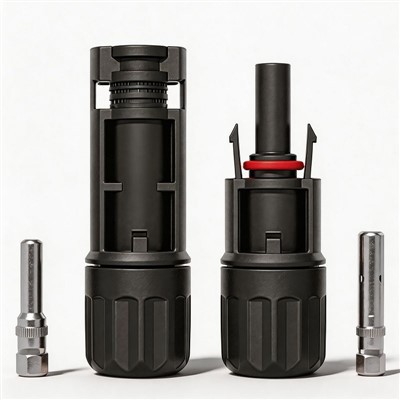
The temperature rating of a low – voltage power cable refers to the maximum temperature at which the cable can operate continuously without experiencing significant degradation of its electrical and mechanical properties. This rating is typically specified in degrees Celsius (°C) and is a fundamental characteristic provided by cable manufacturers.
To understand why the temperature rating is so important, we need to consider the behavior of the materials used in cable construction. Most low – voltage power cables consist of a conductor, usually made of copper or aluminum, and an insulating material. The conductor is responsible for carrying the electrical current, while the insulation prevents the current from leaking and provides electrical isolation.
When an electric current flows through the conductor, it generates heat due to the electrical resistance of the material. The amount of heat generated is proportional to the square of the current and the resistance of the conductor. If the heat is not dissipated effectively, the temperature of the cable will rise. Excessive temperatures can cause the insulation material to degrade. For example, in the case of PVC (Polyvinyl Chloride) insulation, high temperatures can lead to softening, melting, or even charring, which can compromise the electrical insulation properties and pose a serious safety hazard, such as short circuits or electrical fires.
The temperature rating of a cable is determined by several factors. One of the primary factors is the type of insulating material used. Different insulating materials have different thermal properties and can withstand different levels of temperature. For instance, cross – linked polyethylene (XLPE) is a popular insulating material for low – voltage power cables. It has excellent electrical and mechanical properties and can typically withstand higher temperatures compared to PVC. XLPE – insulated cables often have a temperature rating of 90°C or even higher, while PVC – insulated cables usually have a temperature rating in the range of 70°C to 75°C.
The construction of the cable also plays a role in determining its temperature rating. The thickness of the insulation, the presence of additional protective layers, and the way the cable is designed to dissipate heat all contribute to its ability to handle high temperatures. Cables with thicker insulation can provide better thermal protection for the conductor, but they may also have a lower heat dissipation rate. On the other hand, cables with a well – designed structure that allows for efficient heat transfer can operate at higher temperatures without overheating.
The ambient temperature in which the cable is installed is another important factor. If the cable is installed in a high – temperature environment, such as a boiler room or a hot industrial area, the cable will need to have a higher temperature rating to ensure safe operation. In such cases, it’s essential to consider both the cable’s temperature rating and the ambient temperature when selecting the appropriate cable for the application.
Load current is also a critical factor. A cable carrying a high – load current will generate more heat compared to a cable with a lower load. Therefore, when sizing a cable for a particular application, it’s necessary to calculate the expected load current and select a cable with a temperature rating that can handle the heat generated by that current.
As a low – voltage power cable supplier, I often emphasize the importance of choosing the right temperature – rated cable for each project. Here are some general guidelines for cable selection based on temperature rating:
- Residential applications: In most residential settings, where the load currents are relatively low, PVC – insulated cables with a temperature rating of 70°C are usually sufficient. These cables are cost – effective and can meet the requirements of typical household electrical systems.
- Commercial applications: Commercial buildings often have higher electrical loads, and the environment may be more demanding. In such cases, XLPE – insulated cables with a 90°C temperature rating are a popular choice. They can handle the increased heat generated by higher currents and are more suitable for long – term use in commercial electrical installations.
- Industrial applications: Industrial environments often involve high – power equipment and harsh operating conditions. Cables used in these applications may need to have temperature ratings of 90°C or higher, depending on the specific requirements. In some extreme cases, special high – temperature cables may be required to ensure reliable operation.
It’s also important to note that the temperature rating of a cable is typically based on continuous operation. If the cable is subjected to short – term overloads, it may be able to withstand higher temperatures for a limited period. However, repeated or prolonged overloads can still cause damage to the cable and reduce its lifespan.
When dealing with customers, I always remind them that proper installation and maintenance are also crucial for ensuring that cables operate within their temperature ratings. Cables should be installed in a way that allows for proper ventilation and heat dissipation. Avoiding bundling too many cables together, ensuring proper spacing between cables, and using cable trays or conduits designed for heat management can all help to keep the cable temperature under control.
In addition, regular inspections and testing can help to detect any potential issues related to cable temperature. Monitoring the temperature of the cable during operation can provide early warnings of overheating, allowing for timely corrective actions to be taken.
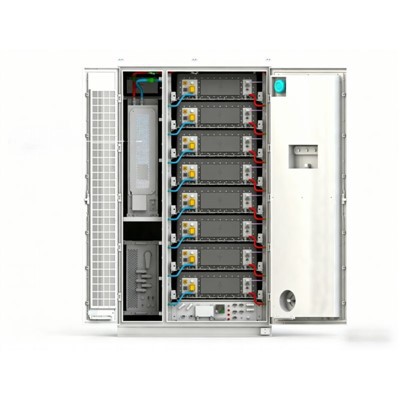
In conclusion, the temperature rating of low – voltage power cables is a vital parameter that should not be overlooked. It directly affects the safety, performance, and reliability of electrical systems. As a low – voltage power cable supplier, I’m committed to providing our customers with high – quality cables that meet or exceed their specific temperature rating requirements. Whether you’re working on a residential, commercial, or industrial project, choosing the right cable with the appropriate temperature rating is essential for a successful electrical installation.
UL PV Wire If you’re in the market for low – voltage power cables and need assistance in selecting the right product based on temperature rating or any other requirements, I encourage you to reach out to us. Our team of experts is ready to help you make the best decision for your project. We can provide detailed information, technical support, and competitive pricing. Don’t hesitate to contact us for a consultation and let’s discuss how we can meet your cable needs.
References
- "Electrical Power Cable Engineering" by John W. McDonald
- "Handbook of Electric Power Calculations" by H. Wayne Beaty
Tianjin Xilingke New Energy Technology Co., Ltd.
Address: Suite 2601, Tower B, Wanghai International, Haihe East Road, Hebei District, Tianjin, China.
E-mail: robin@sinelinkev.com
WebSite: https://www.sinelinkenergy.com/
