What’s up, folks! I’m a supplier of Solar DC Cables, and today I wanna chat about a super important topic in the solar game: the minimum bending radius of solar DC cables. Solar DC Cables
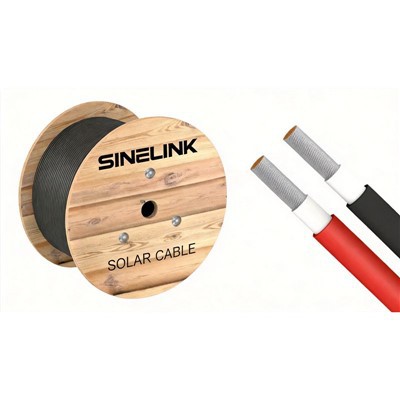
Let’s start with the basics. You might be wondering, "What on earth is the minimum bending radius?" Well, it’s pretty simple. The minimum bending radius is the smallest radius a cable can be bent around without causing any damage to its internal structure, like the conductors or the insulation. Think of it like trying to bend a straw. If you bend it too sharply, it’ll kink, and liquid won’t flow through it properly. The same goes for solar DC cables.
Now, why is this minimum bending radius so crucial? First off, if you bend a solar DC cable beyond its minimum radius, you can damage the conductors inside. These conductors are what carry the electrical current from the solar panels to the inverter. When they’re damaged, the electrical resistance increases, which means less power gets transferred. And in the solar world, every bit of power counts!
Secondly, the insulation of the cable can also take a hit. The insulation is there to protect the conductors and prevent any electrical leakage. If the insulation gets cracked or damaged due to excessive bending, it can lead to safety hazards like electric shocks or even fires. So, getting the bending radius right is not just about efficiency; it’s also about safety.
So, what determines the minimum bending radius of solar DC cables? There are a few factors at play here. One of the most significant factors is the cable’s construction. Cables come in different types, like single – conductor and multi – conductor cables. Generally, multi – conductor cables have a larger minimum bending radius because they have more internal components that need to be protected.
The size of the cable also matters. Thicker cables usually have a larger minimum bending radius. It’s like trying to bend a thick rope versus a thin string. The thick rope is much harder to bend sharply. In the case of solar DC cables, as the cross – sectional area of the conductors increases, the minimum bending radius also goes up.
The type of insulation used in the cable is another factor. Some insulations are more flexible than others. For example, cables with a rubber – based insulation tend to be more flexible and can tolerate a smaller bending radius compared to cables with a rigid PVC insulation.
Now, let me give you some general guidelines on what the minimum bending radius might be for different types of solar DC cables. For smaller, single – conductor cables with a relatively thin insulation, the minimum bending radius could be around 5 to 6 times the outer diameter of the cable. So, if you have a cable with an outer diameter of 10 mm, the minimum bending radius would be about 50 to 60 mm.
For larger, multi – conductor cables, the minimum bending radius can be anywhere from 8 to 12 times the outer diameter. These cables are more complex, and they need more room to bend without causing damage. It’s always a good idea to check the manufacturer’s specifications for the exact minimum bending radius of the cable you’re using.
When you’re installing solar DC cables, it’s essential to plan ahead to ensure you can meet these minimum bending radius requirements. You don’t want to be halfway through the installation and realize you can’t bend the cable as needed. One way to do this is to measure the space where the cables will be installed. Make sure there’s enough room for the cables to bend smoothly without hitting any obstacles.
Another tip is to use cable management tools like cable trays, conduits, or clips. These tools can help you keep the cables in place and ensure they’re bent at the right radius. For example, if you’re using a cable tray, you can make sure the tray has smooth curves that match the minimum bending radius of the cables.
It’s also crucial to train your installation team on the importance of the minimum bending radius. Everyone involved in the installation process should know how to handle the cables properly. This includes not just the installers but also anyone who might be working around the cables during the construction or maintenance phase.
Now, I know what you might be thinking. "This all sounds great, but how do I know if your solar DC cables are up to the task?" Well, let me tell you a bit about our products. We take the design and manufacturing of our solar DC cables very seriously. We use high – quality materials for the conductors and the insulation to ensure maximum durability and flexibility.
Our engineers have done extensive testing to determine the optimal minimum bending radius for each of our cable products. We test the cables under different conditions, like different temperatures and levels of stress, to make sure they can withstand real – world situations.
We also offer a wide range of cable sizes and types to suit different solar applications. Whether you’re working on a small residential solar system or a large – scale commercial project, we’ve got the right cables for you. And we’re always here to provide support and advice on cable installation and maintenance.
So, if you’re in the market for solar DC cables, we’d love to have a chat with you. Whether you’ve got questions about the minimum bending radius or just wanna know more about our products, feel free to reach out. We’re all about making sure you get the best possible solar cable solution for your project.
References:
- "Solar Photovoltaic Systems Installation Manual", various solar installation guides
- Industry standards and specifications for electrical cables
Residential Energy Storage System So, don’t hesitate to get in touch if you’re interested in our solar DC cables. We’re looking forward to talking to you and being a part of your solar project!
Tianjin Xilingke New Energy Technology Co., Ltd.
As one of the most professional solar dc cable manufacturers and suppliers in China, we’re featured by quality products and low price. Please rest assured to wholesale durable solar dc cable made in China here from our factory. For quotation, contact us now.
Address: Suite 2601, Tower B, Wanghai International, Haihe East Road, Hebei District, Tianjin, China.
E-mail: robin@sinelinkev.com
WebSite: https://www.sinelinkenergy.com/
