Hey there! I’m an excavator attachment supplier, and I know firsthand how crucial it is to transport these heavy-duty tools safely. Whether you’re shipping them across the country or just moving them to a nearby job site, getting it right is super important. In this blog, I’ll share some tips and tricks I’ve picked up over the years to make sure your excavator attachments arrive at their destination in one piece. Excavator Attachment
1. Know Your Attachments
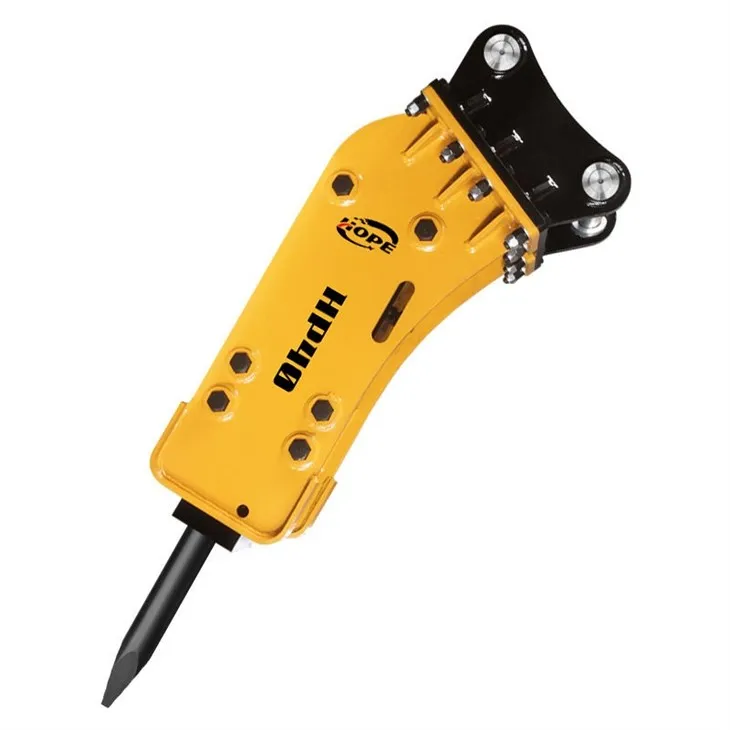
First things first, you gotta know what you’re dealing with. Different excavator attachments have different shapes, sizes, and weights. For example, a hydraulic hammer is heavy and compact, while a bucket can be large and bulky. Understanding the specific characteristics of each attachment will help you choose the right transportation method and equipment.
Take some time to measure the dimensions of your attachments and note down their weight. This information will be handy when you’re looking for a suitable trailer or truck. You don’t want to end up with a vehicle that’s too small or not strong enough to carry your load.
2. Choose the Right Transportation Method
There are a few options when it comes to transporting excavator attachments:
- Trailer: This is a popular choice for many suppliers. You can rent or buy a flatbed trailer that’s big enough to hold your attachments. Make sure the trailer has a good weight capacity and is in good condition. Check the tires, brakes, and lights before you hit the road.
- Truck: If you have a large number of attachments or some really heavy ones, a truck might be a better option. You can hire a professional trucking company or use your own truck if you have the right equipment. Just make sure the truck is properly licensed and insured.
- Shipping Container: For long-distance transportation or international shipping, a shipping container can be a great choice. It provides extra protection for your attachments and can be easily loaded onto a ship or a train.
3. Secure Your Attachments
Once you’ve chosen the right transportation method, it’s time to secure your attachments. This is where things can get a little tricky, but it’s absolutely essential for safety. Here are some tips:
- Use Straps and Chains: Invest in high-quality straps and chains to secure your attachments to the trailer or truck. Make sure they’re tight and won’t come loose during transit. You can use ratchet straps to adjust the tension and keep everything in place.
- Block and Brace: Use blocks and braces to prevent your attachments from shifting or moving around. You can use wooden blocks or metal braces to support the attachments and keep them stable.
- Protect the Surfaces: Cover your attachments with protective materials like blankets or tarps to prevent scratches and damage. You can also use foam padding to cushion the attachments and absorb any shocks during transit.
4. Follow the Rules and Regulations
When transporting excavator attachments, you need to follow the rules and regulations set by the local authorities. This includes things like weight limits, speed limits, and safety requirements. Make sure you have all the necessary permits and documentation before you start your journey.
Here are some common regulations you need to be aware of:
- Weight Limits: Each state or country has its own weight limits for trailers and trucks. Make sure you don’t exceed these limits to avoid fines and penalties.
- Safety Equipment: You need to have the right safety equipment on your trailer or truck, such as reflectors, warning signs, and emergency brakes. Make sure everything is in good working condition before you hit the road.
- Driver Requirements: If you’re hiring a professional trucking company, make sure the driver has the right license and experience to transport your attachments safely.
5. Inspect Your Attachments Before and After Transportation
Before you load your attachments onto the trailer or truck, take a few minutes to inspect them for any damage or wear. Look for cracks, dents, or loose parts. If you find any issues, make sure you fix them before you start your journey.
After you’ve unloaded your attachments at their destination, inspect them again to make sure they arrived in good condition. If you notice any damage, take photos and document the details. This will help you file a claim with your insurance company if necessary.
6. Train Your Staff
If you have employees who are responsible for transporting excavator attachments, make sure they’re properly trained. Provide them with the necessary safety training and equipment, and make sure they understand the rules and regulations.
Here are some things you can include in your training program:
- Proper Loading and Unloading Techniques: Teach your employees how to load and unload excavator attachments safely. Make sure they know how to use the right equipment and follow the proper procedures.
- Securing Attachments: Show your employees how to use straps, chains, blocks, and braces to secure the attachments to the trailer or truck. Make sure they understand the importance of keeping everything tight and stable.
- Safety Procedures: Train your employees on the safety procedures they need to follow when transporting excavator attachments. This includes things like wearing safety gear, following traffic rules, and inspecting the equipment regularly.
7. Work with a Reputable Transportation Company
If you’re not comfortable transporting your excavator attachments yourself, consider working with a reputable transportation company. Look for a company that has experience in transporting heavy equipment and a good reputation for safety.
Here are some things you can look for when choosing a transportation company:
- Insurance: Make sure the company has adequate insurance coverage to protect your attachments in case of an accident or damage.
- Equipment: Check the company’s equipment to make sure it’s in good condition and suitable for transporting your attachments.
- References: Ask the company for references from other customers who have used their services. This will give you an idea of their reliability and customer service.
Conclusion

Transporting excavator attachments safely is a big responsibility, but it doesn’t have to be a headache. By following these tips and tricks, you can ensure that your attachments arrive at their destination in one piece. Remember to know your attachments, choose the right transportation method, secure your attachments, follow the rules and regulations, inspect your attachments before and after transportation, train your staff, and work with a reputable transportation company.
Quick Coupler Hitch If you’re in the market for high-quality excavator attachments, I’d love to talk to you. Whether you need a new bucket, a hydraulic hammer, or any other type of attachment, I’ve got you covered. Just reach out to me, and we can discuss your needs and find the perfect solution for you.
References
- "Heavy Equipment Transportation Safety Guidelines" – Department of Transportation
- "Excavator Attachment Handbook" – Manufacturer’s Manual
- "Safety Tips for Transporting Heavy Machinery" – Industry Publications
Hope Precision Machinery Co., Ltd.
As one of the most professional excavator attachment manufacturers and suppliers in China, we also support customized service. Please feel free to buy high quality excavator attachment for sale here from our factory. For more information, contact us now.
Address: No.8 Shenzhen Street, Development Zone, Yantai,Shandong ,China
E-mail: lulu@hope-breaker.com
WebSite: https://www.hopeequip.com/
