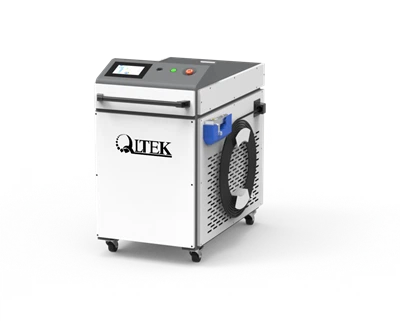
In the realm of industrial manufacturing, the choice of welding equipment is crucial, especially when dealing with challenging environments such as those that are corrosive. As a supplier of laser welding machines, I often encounter inquiries from customers about the feasibility of using our machines in corrosive settings. This blog post aims to delve into this topic, exploring the capabilities and limitations of laser welding machines in corrosive environments. Laser Welding Machine
Understanding Corrosive Environments
Corrosive environments are characterized by the presence of substances that can cause deterioration or damage to materials over time. These substances can include chemicals, moisture, salts, and acids. Common examples of corrosive environments include chemical processing plants, marine applications, and wastewater treatment facilities. In these environments, the materials being welded are constantly exposed to corrosive agents, which can lead to corrosion, rust, and other forms of degradation.
The Basics of Laser Welding
Laser welding is a precise and efficient welding process that uses a high – intensity laser beam to melt and fuse materials together. The laser beam is focused on the joint area, generating a concentrated heat source that quickly melts the base materials. This results in a narrow and deep weld with minimal heat – affected zones, which is beneficial for maintaining the integrity of the materials being welded. Laser welding offers several advantages over traditional welding methods, such as high welding speed, excellent weld quality, and the ability to weld a wide range of materials, including metals, plastics, and ceramics.
Can Laser Welding Machines be Used in Corrosive Environments?
The answer is yes, but with certain considerations. Laser welding machines can be used in corrosive environments, but the success of the welding process depends on several factors, including the type of materials being welded, the nature of the corrosive agents, and the proper selection and maintenance of the welding equipment.
Material Selection
The choice of materials is critical when welding in a corrosive environment. Some materials are more resistant to corrosion than others. For example, stainless steel is a popular choice for applications in corrosive environments due to its high chromium content, which forms a protective oxide layer on the surface of the material. Other corrosion – resistant materials include aluminum, titanium, and nickel – based alloys. When using a laser welding machine, it is important to ensure that the materials being welded are compatible with each other and with the corrosive environment.
Corrosive Agents
Different corrosive agents have different effects on the welding process. For instance, acids can react with the metal surfaces and cause pitting and corrosion. Salts can accelerate the corrosion process, especially in the presence of moisture. When welding in a corrosive environment, it is essential to understand the nature of the corrosive agents and take appropriate measures to protect the welded joints. This may include using corrosion – resistant coatings or performing post – welding treatments.
Equipment Selection and Maintenance
When using a laser welding machine in a corrosive environment, it is important to select a machine that is designed to withstand the harsh conditions. Some laser welding machines are equipped with protective enclosures and coatings to prevent corrosion of the internal components. Regular maintenance is also crucial to ensure the proper functioning of the machine. This includes cleaning the optics, checking the cooling system, and inspecting the electrical connections.
Advantages of Using Laser Welding Machines in Corrosive Environments
Despite the challenges, there are several advantages to using laser welding machines in corrosive environments.
High – Quality Welds
Laser welding produces high – quality welds with excellent mechanical properties. The narrow and deep welds created by laser welding minimize the heat – affected zone, reducing the risk of corrosion and other forms of degradation. This results in stronger and more durable welded joints, which are better able to withstand the corrosive environment.
Precision and Flexibility
Laser welding offers a high degree of precision and flexibility, allowing for the welding of complex shapes and small components. This is particularly useful in applications where space is limited or where precise control of the welding process is required. In corrosive environments, the ability to make precise welds can help to ensure the integrity of the welded structure.
Reduced Contamination
Compared to traditional welding methods, laser welding produces less spatter and fumes, which can reduce the risk of contamination in the corrosive environment. This is important for maintaining the quality of the welded joints and preventing the spread of corrosive agents.
Challenges and Limitations
While laser welding machines can be used in corrosive environments, there are also some challenges and limitations that need to be considered.
Cost
Laser welding machines are generally more expensive than traditional welding equipment. The initial investment in a laser welding machine can be significant, and the cost of maintenance and operation can also be high. This may be a deterrent for some companies, especially those with limited budgets.
Technical Expertise
Operating a laser welding machine requires a certain level of technical expertise. The operator needs to have a good understanding of the laser welding process, the materials being welded, and the corrosive environment. Training and certification may be required to ensure that the operator can use the machine safely and effectively.
Sensitivity to Environmental Conditions
Laser welding machines are sensitive to environmental conditions, such as temperature, humidity, and dust. In corrosive environments, these conditions can be more challenging to control, which may affect the performance of the machine. For example, high humidity can cause condensation on the optics, which can reduce the quality of the laser beam.
Case Studies
To illustrate the use of laser welding machines in corrosive environments, let’s look at a few case studies.
Chemical Processing Plant
In a chemical processing plant, laser welding was used to join stainless steel pipes. The pipes were exposed to a variety of corrosive chemicals, including acids and alkalis. By using a laser welding machine, the company was able to produce high – quality welds with excellent corrosion resistance. The narrow and deep welds minimized the heat – affected zone, reducing the risk of corrosion and ensuring the long – term integrity of the pipes.
Marine Application
In a marine application, laser welding was used to repair a ship’s hull. The hull was made of aluminum alloy and was exposed to saltwater, which is highly corrosive. The laser welding machine was able to produce strong and durable welds, even in the harsh marine environment. The precision of the laser welding process allowed for the repair of small cracks and damage without affecting the surrounding areas.
Conclusion
In conclusion, laser welding machines can be used for welding in corrosive environments, but it requires careful consideration of several factors, including material selection, the nature of the corrosive agents, and the proper selection and maintenance of the welding equipment. While there are challenges and limitations, the advantages of using laser welding machines, such as high – quality welds, precision, and reduced contamination, make them a viable option for many applications in corrosive environments.
Material Storage and Automatic Loading/Unloading System If you are considering using a laser welding machine for your projects in corrosive environments, I encourage you to contact us for more information. Our team of experts can help you select the right machine for your specific needs and provide you with the support and guidance you need to ensure the success of your welding projects.
References
- Jones, R. (2018). Laser Welding Technology. Wiley.
- Smith, A. (2019). Corrosion Resistance of Welded Joints. Elsevier.
- Brown, C. (2020). Industrial Welding in Harsh Environments. Springer.
Suzhou Quick Laser Technology Co., Ltd.
Suzhou Quick Laser Technology Co., Ltd. is one of the most professional laser welding machine manufacturers and suppliers in China, featured by quality products and good price. Please feel free to buy durable laser welding machine for sale here from our factory. For more information, contact us now.
Address: No. 6, Qingqiu Street, Industrial Park, Suzhou, Jiangsu Province, China
E-mail: info@qlteklaser.com
WebSite: https://www.qlteklaser.com/
