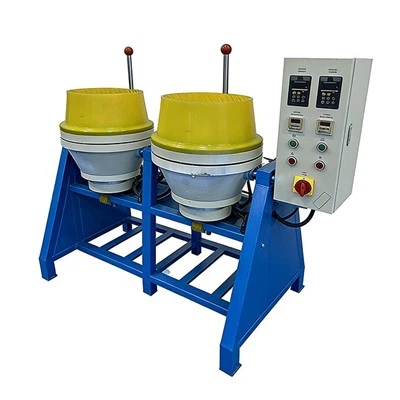
Drag polishing is a highly effective surface finishing process widely used in various industries to achieve smooth and shiny workpiece surfaces. However, one common challenge faced during drag polishing is the occurrence of scratches on the workpiece. As a supplier of Drag Polishing Machines, I understand the importance of preventing these scratches to ensure high – quality finished products. In this blog, I will share some key strategies and techniques to prevent scratches on the workpiece during drag polishing. Drag Polishing Machine
Understanding the Causes of Scratches
Before we can effectively prevent scratches, it’s essential to understand what causes them. There are several factors that can lead to scratches during drag polishing:
- Abrasive Particles: The abrasive particles used in the polishing media can cause scratches if they are too large, unevenly distributed, or contaminated. For example, if there are some oversized abrasive grains in the media, they can dig into the workpiece surface and create scratches.
- Workpiece Material and Hardness: Different workpiece materials have different hardness levels. Softer materials are more prone to scratches compared to harder ones. If the polishing process is not properly adjusted according to the workpiece’s material and hardness, scratches are likely to occur.
- Machine Settings: Incorrect machine settings such as excessive speed, pressure, or improper rotation direction can also result in scratches. For instance, if the drag polishing machine is running at a very high speed, the interaction between the workpiece and the polishing media may become too intense, leading to scratches.
- Media Contamination: The polishing media can get contaminated with debris, metal shavings, or other foreign objects over time. These contaminants can act as abrasives and cause scratches on the workpiece.
Strategies to Prevent Scratches
Selecting the Right Polishing Media
- Abrasive Size: Choose the abrasive size carefully based on the workpiece material and the desired surface finish. For softer materials, smaller abrasive particles are usually recommended to minimize the risk of scratches. For example, for aluminum workpieces, an abrasive size of around 80 – 120 grit might be suitable for an initial rough polishing stage, while for a finer finish, a lower grit size like 220 – 320 can be used.
- Media Quality: Ensure that the polishing media is of high quality and free from contaminants. Regularly check the media for any signs of wear, breakage, or contamination. Replace the media when it shows excessive wear or is contaminated to prevent scratches.
Adjusting Machine Settings
- Speed and Pressure: Strike the right balance between speed and pressure. A slower speed and moderate pressure are generally better for preventing scratches, especially when working with delicate workpieces. For example, if you are polishing a thin – walled metal part, reducing the machine speed to around 30 – 50 revolutions per minute and applying a light pressure can help avoid scratches.
- Rotation Direction: Experiment with different rotation directions of the drag polishing machine. Sometimes, changing the rotation direction can reduce the likelihood of scratches by altering the contact pattern between the workpiece and the polishing media.
Workpiece Handling and Preparation
- Cleaning: Thoroughly clean the workpiece before the polishing process to remove any dirt, oil, or debris. These contaminants can cause scratches during polishing. Use an appropriate cleaning agent and make sure the workpiece is completely dry before starting the polishing operation.
- Fixturing: Properly fixture the workpiece to ensure it is stable during the polishing process. An unstable workpiece can move around and cause scratches. Use fixtures that hold the workpiece firmly but do not damage its surface.
Regular Maintenance of the Machine
- Inspection: Regularly inspect the drag polishing machine for any signs of wear or damage. Check the belts, bearings, and other moving parts to ensure they are in good working condition. A malfunctioning machine can cause uneven polishing and lead to scratches.
- Lubrication: Keep the machine well – lubricated to reduce friction and prevent excessive heat generation. Overheating can cause the workpiece and the polishing media to interact in an abnormal way, increasing the risk of scratches.
Case Studies
Let’s take a look at a couple of case studies to illustrate how these strategies can be applied in real – world scenarios.
Case Study 1: Polishing Stainless Steel Kitchenware
A customer was using our drag polishing machine to polish stainless steel kitchenware. They were experiencing a high rate of scratching on the finished products. After analyzing the process, we found that the abrasive size of the polishing media was too large for the delicate finish they desired. We recommended switching to a smaller – sized abrasive media and adjusting the machine speed to a slower setting. After implementing these changes, the scratch rate dropped significantly, and the customer was able to achieve a high – quality, scratch – free finish on their kitchenware.
Case Study 2: Polishing Aluminum Automotive Parts
Another customer was polishing aluminum automotive parts. They were facing issues with scratches due to media contamination. We advised them to regularly clean and replace the polishing media. Additionally, we recommended adjusting the pressure settings to a more appropriate level for the soft aluminum material. As a result, the scratch problem was resolved, and the customer was satisfied with the improved quality of their polished parts.
Conclusion

Preventing scratches on the workpiece during drag polishing is crucial for achieving high – quality finished products. By understanding the causes of scratches and implementing the strategies mentioned above, such as selecting the right polishing media, adjusting machine settings, proper workpiece handling, and regular machine maintenance, you can significantly reduce the occurrence of scratches.
Barrel Polishing Machine As a supplier of Drag Polishing Machines, we are committed to providing our customers with the best solutions for their polishing needs. Our machines are designed to be versatile and easy to operate, and we offer comprehensive technical support to help you optimize your polishing process. If you are interested in learning more about our Drag Polishing Machines or have any questions regarding scratch prevention during drag polishing, please feel free to contact us for a consultation. We look forward to working with you to achieve the best results for your polishing applications.
References
- "Surface Finishing Handbook", CRC Press
- "Manufacturing Processes for Engineering Materials", Pearson Education
Dongguan Xindingsheng Intelligent Grinding Technology Co., Ltd.
Dongguan Xindingsheng Intelligent Grinding Technology Co., Ltd. is one of the most reliable drag polishing machine manufacturers and suppliers in China, also supports customized service. Please feel free to wholesale bulk high quality drag polishing machine in stock here from our factory. Contact us for pricelist.
Address: Room 101, Building 1, No. 73 Dahuangmei Road, Dalingshan Town, Dongguan City, Guangdong Province, China
E-mail: cndskj@126.com
WebSite: https://www.xdsfinishing.com/
