Determining the amount of dry wall putty you need for a room is a crucial step in any drywall finishing project. As a dry wall putty supplier, I’ve encountered numerous customers who are unsure about how much product to purchase. In this blog, I’ll guide you through the process of calculating the right amount of dry wall putty for your room, ensuring a smooth and successful project. Dry Wall Putty

Understanding Dry Wall Putty
Before we delve into the calculations, it’s important to understand what dry wall putty is and its role in drywall finishing. Dry wall putty, also known as joint compound, is a paste-like material used to fill joints, seams, and holes in drywall. It creates a smooth surface for painting or wallpapering, ensuring a professional-looking finish.
There are two main types of dry wall putty: ready-mixed and powder-based. Ready-mixed putty comes pre-mixed in a bucket and is ready to use right out of the container. It’s convenient and easy to apply, making it a popular choice for DIYers. Powder-based putty, on the other hand, needs to be mixed with water before use. It offers more control over the consistency and is often preferred by professional contractors.
Measuring the Room
The first step in determining the amount of dry wall putty you need is to measure the room. You’ll need to measure the length, width, and height of the room, as well as the number and size of any doors, windows, or other openings. Here’s how to do it:
- Measure the length and width of the room: Use a tape measure to measure the length and width of the room at the floor level. Record these measurements in feet.
- Measure the height of the room: Measure the height of the room from the floor to the ceiling. Record this measurement in feet.
- Measure the doors and windows: Measure the height and width of each door and window in the room. Record these measurements in feet.
- Calculate the total wall area: To calculate the total wall area of the room, multiply the perimeter of the room (the sum of the lengths of all four walls) by the height of the room. Then, subtract the total area of the doors and windows from the total wall area.
For example, let’s say you have a room that is 12 feet long, 10 feet wide, and 8 feet high. The perimeter of the room is (12 + 10) x 2 = 44 feet. The total wall area of the room is 44 x 8 = 352 square feet. If you have two doors that are each 3 feet wide and 7 feet high, and two windows that are each 4 feet wide and 5 feet high, the total area of the doors and windows is (2 x 3 x 7) + (2 x 4 x 5) = 42 + 40 = 82 square feet. The total wall area to be covered with dry wall putty is 352 – 82 = 270 square feet.
Calculating the Amount of Dry Wall Putty
Once you have the total wall area to be covered, you can calculate the amount of dry wall putty you need. The amount of putty required depends on several factors, including the type of putty, the thickness of the application, and the condition of the drywall.
As a general rule of thumb, you’ll need about 1 gallon of dry wall putty for every 200 to 300 square feet of wall area. However, this is just an estimate, and the actual amount of putty you need may vary depending on the factors mentioned above.
To calculate the amount of dry wall putty you need, divide the total wall area by the coverage rate of the putty. For example, if you have 270 square feet of wall area to cover and the putty has a coverage rate of 250 square feet per gallon, you’ll need 270 / 250 = 1.08 gallons of putty. It’s always a good idea to round up to the nearest whole gallon to ensure you have enough putty for the job.
Factors Affecting the Amount of Dry Wall Putty
As mentioned earlier, several factors can affect the amount of dry wall putty you need. Here are some of the most important factors to consider:
- Type of putty: Different types of dry wall putty have different coverage rates. Ready-mixed putty typically has a lower coverage rate than powder-based putty, so you may need more of it to cover the same amount of wall area.
- Thickness of the application: The thickness of the putty application can also affect the amount of putty you need. A thicker application will require more putty than a thinner application.
- Condition of the drywall: If the drywall has a lot of joints, seams, or holes, you’ll need more putty to fill them. Similarly, if the drywall is uneven or has a rough surface, you may need to apply multiple coats of putty to achieve a smooth finish.
- Skill level of the applicator: The skill level of the person applying the putty can also affect the amount of putty used. A more experienced applicator may be able to apply the putty more efficiently, using less putty in the process.
Tips for Using Dry Wall Putty
Here are some tips to help you use dry wall putty effectively and efficiently:
- Prepare the surface: Before applying the putty, make sure the drywall surface is clean, dry, and free of dust and debris. This will ensure a better adhesion and a smoother finish.
- Use the right tools: Use a putty knife or a trowel to apply the putty. Make sure the tool is clean and in good condition to avoid leaving streaks or ridges on the surface.
- Apply the putty in thin layers: It’s better to apply the putty in thin layers and let each layer dry completely before applying the next one. This will help prevent cracking and ensure a smooth finish.
- Sand the surface: After the putty has dried, sand the surface with fine-grit sandpaper to smooth out any rough spots or ridges. This will prepare the surface for painting or wallpapering.
- Store the putty properly: If you have any leftover putty, make sure to store it in a cool, dry place. This will help prevent the putty from drying out or becoming hard.
Conclusion
Determining the amount of dry wall putty you need for a room is an important step in any drywall finishing project. By following the steps outlined in this blog, you can calculate the right amount of putty for your room and ensure a smooth and successful project.
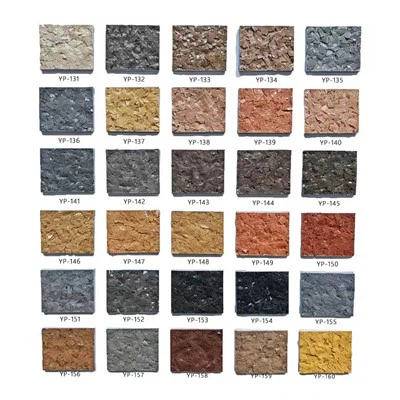
Stone Paint Flakes As a dry wall putty supplier, I’m here to help you with all your drywall finishing needs. If you have any questions or need further assistance, please don’t hesitate to contact me. I’ll be happy to provide you with the information and support you need to get the job done right.
References
- "Drywall Finishing: A Step-by-Step Guide." This Old House. Accessed [Date].
- "How to Calculate the Amount of Drywall Compound You Need." Bob Vila. Accessed [Date].
- "Drywall Joint Compound: Types and Uses." The Spruce. Accessed [Date].
Dengjian New Materials Technology Dongtai Co., Ltd.
As one of the most professional dry wall putty manufacturers and suppliers in China, we’re featured by quality products and good price. Please rest assured to buy customized dry wall putty made in China here from our factory. Contact us for pricelist.
Address: Qindong New Materials and Equipment Industrial Park, Dongtai City, Yancheng City
E-mail: 992683005@qq.com
WebSite: https://www.djwallmaterial.com/
