If you’ve ever stood in a hospital supply closet, a clinic’s waiting room, or even stared at a display of gear during a public health emergency, you’ve probably glanced at rows of boxes labeled “medical supplies” and “PPE” and wondered: are these two the same thing? When I started my medical supplies business 12 years ago, I wondered the exact same thing. Back then, the line between them felt blurry—we shipped face masks alongside syringes, and clients would sometimes mix up orders, asking for “PPE” when they needed sterile gauze. Over the years, I’ve learned this isn’t just a mix-up of labels; it’s a distinction that keeps patients, healthcare workers, and everyday people safe. Let’s break it down, why it matters, and why clear labeling matters more than most people realize. Medical Supplies
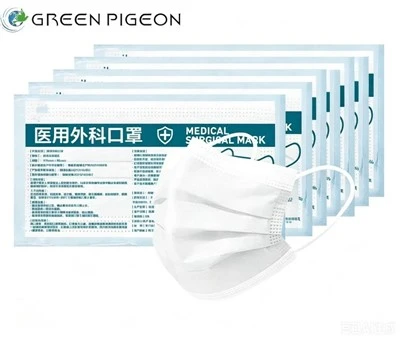
First, let’s start with what each term actually means, because that’s where the confusion begins. Medical supplies are a broad category of items designed for medical use—think sterile bandages, surgical instruments, patient beds, prescription bottles, even the tools used to run diagnostic tests. These are the workhorses of healthcare: they treat injuries, deliver medication, support patient care, and keep medical facilities running. A syringe used to draw blood, a thermometer that checks a fever, or a bag of sterile IV fluid are all medical supplies. Their core job is to support a medical task, not primarily to protect anyone from hazards. That’s where PPE comes in.
PPE, which stands for Personal Protective Equipment, is a subset of medical supplies—wait, no, hold on, that’s where a lot of people get it wrong. Let me correct that: PPE is a specialized subset of medical supplies, but its entire purpose is to protect the person wearing it (or others) from exposure to harmful materials. If medical supplies are the tools of care, PPE is the barrier between a caregiver and the risks of that care. For example, a pair of nitrile gloves used to clean a wound is a medical supply, but a pair used to keep a surgeon’s hands free of bloodborne pathogens during an operation? That’s PPE. A surgical mask used to cover a patient’s mouth during a procedure to prevent saliva from getting on tools? That’s a medical supply. A N95 respirator worn by a nurse during a COVID-19 surge to avoid inhaling airborne viruses? That’s PPE.
Let’s make that concrete, because abstract definitions don’t stick. Let’s talk about two items that show up in almost every order we ship: gloves and masks. For gloves, if a clinic is ordering 1,000 pairs of sterile nitrile gloves to apply a bandage to a patient’s cut, those are medical supplies. The goal here isn’t protection—it’s preventing the spread of germs between the caregiver and the small wound. But if a nurse in an emergency department is ordering 5,000 pairs of non-sterile nitrile gloves to treat a patient with a suspected contagious infection, those are PPE. They exist to keep the nurse’s hands from touching blood, mucus, or other infectious material. That’s a clear line, right? And it’s one that changed how we shipped orders during the 2020 COVID crisis.
Early in the pandemic, my team noticed a huge spike in orders for “PPE” but when we dug into the requests, most were for medical supplies. Community clinics needed sterile masks for well-baby checks, not N95s for frontline staff. We had to create a separate section on our order portal to filter between the two, because generic labels were leading to huge delays. One time, a small pediatric clinic ordered 500 “PPE masks” and we almost sent a crate of N95s—until the clinic manager called to say they just needed cloth masks (wait, no, cloth masks aren’t PPE, but that’s a whole other topic) for parents coming in with kids. That mix-up cost them a week of supplies, and cost us a lot of time fixing the error. It’s why we now spend 10 minutes on every initial call with a new client to clarify what they actually need.
Another key difference: regulation. Medical supplies and PPE are regulated differently, and that’s a critical point for anyone who buys them, whether you’re a hospital administrator, a school nurse, or a small business owner. In the U.S., for example, medical supplies are regulated by the FDA as general medical devices, or sometimes as drugs or biologics depending on the item. Their approval process focuses on whether the product works for its intended medical purpose: does a syringe hold the right amount of medication? Does a bandage stick to skin without irritating it? Does a stethoscope transmit sound clearly?
PPE, though, falls under a separate FDA category, with a different set of rules. Its testing focuses entirely on protective performance: can a respirator block 95% of airborne particles? Can a gown resist blood splatter? Can gloves prevent chemical exposure? During the pandemic, the FDA issued emergency use authorizations (EUAs) for PPE, because the demand was so high, but those authorizations still required proof that the protective barrier worked. Medical supplies didn’t get those same EUAs—they just needed to meet basic manufacturing standards for sterility and accuracy. That regulatory split isn’t bureaucracy; it’s to make sure you’re not buying a bandage that claims to stop viruses, or a respirator that can’t actually block anything.
Let’s talk about use cases to make this even clearer. Imagine a dentist’s office, which uses both. When a dentist is filling a cavity, they use a dental drill, a syringe for numbing medication, and gauze to wipe the patient’s mouth—all medical supplies. They also use a face shield to stop splatter from flying, nitrile gloves to keep their hands clean, and a surgical mask to prevent their own saliva from getting into the patient’s mouth? Wait, no—the mask here would be for the dentist’s protection too, so that’s PPE. The gauze is for the patient’s care, so medical supply. Another example: a gym during flu season. They order bandages for scraped knees, thermometers to check for fever, and antiseptic wipes to clean equipment—all medical supplies. If a trainer orders gloves to handle cleaning chemicals, or a face mask to avoid getting sick from a coughing member, that’s PPE. See how it shifts based on the purpose?
It’s also worth busting a common myth: not all protective gear is PPE. A life jacket is a piece of protective equipment, but it’s not medical supplies or PPE, because it’s not for a medical use. That’s why the line stays: PPE is only for settings where you’re providing medical care, or responding to a public health risk related to medical exposure. A construction worker’s hard hat is protective, but it’s not PPE. A firefighter’s coat is protective, but it’s not PPE. It’s only when that gear is used to prevent exposure to a hazard that comes with providing medical care, or dealing with infectious materials, that it’s PPE.
Now, why does this matter to you, whether you’re a healthcare provider, a facility manager, or someone ordering supplies for a community group? Let’s circle back to that 2020 crisis. Early on, there was a global shortage of PPE, especially N95 respirators. Hospitals were turning away patients because they didn’t have enough, and frontline nurses were having to reuse masks for days. A lot of that shortage was made worse by mix-ups: people were ordering medical supplies as if they were PPE, or vice versa. A hospital might order 10,000 sterile gloves (medical supply) when they needed 10,000 pairs of isolation gloves (PPE) for COVID patients. That mix-up drained inventory that was needed for actual protection.
On our end, as a medical supplies provider, this distinction shaped how we operate. Before the pandemic, we would ship all items in the same crates, with generic labels. After, we created separate warehousing: one section for general medical supplies (gauze, syringes, bandages, etc.) and a locked, climate-controlled section for PPE (N95s, gowns, isolation gloves, face shields). We also started offering free consultations for any client ordering more than 50 units, to make sure they’re getting the right product. Last year, a senior living facility called us saying they needed “PPE for residents” and we were able to clarify they actually needed wound care supplies (medical supplies) for their residents with diabetes-related ulcers, not N95s. That saved them hundreds of dollars and a week of wait time.
Another example: during a seasonal flu outbreak, a school nurse might order thermometers (medical supplies) to check students’ temperatures, bandages for playground scrapes (medical supplies), and disposable gloves (PPE) to handle sick students’ tissues. If the school ordered all of that as “PPE,” they’d be spending way more than they need to, because thermometers and bandages are cheaper general medical supplies. That’s not just a cost issue—mislabeling orders can lead to delays when you need supplies fast. A school can’t wait a week for a shipment of N95s when they just need thermometers.
Let’s also talk about common items that fall into each category, to make a handy mental list. For medical supplies: sterile adhesive bandages, syringes (non-needle, too), surgical tape, gauze pads, thermometers (oral, temporal), prescription vials, blood pressure cuffs, diagnostic test strips for blood sugar or urine, and hand sanitizer (wait, is hand sanitizer a medical supply? Yes, when it’s used in medical settings to prevent the spread of germs during care. Is it PPE? No, because it doesn’t protect you from a specific hazard—it’s a cleaning agent). For PPE: N95 respirators, surgical masks (when used to protect the wearer), isolation gowns, surgical gowns, nitrile and latex gloves (when used to protect the wearer from infectious materials), face shields, goggles, and boot covers (for sterile fields). That’s a rough list, and it’s not exhaustive, but it’s a good starting point.
I get it—labels are confusing, especially when you’re juggling 10 different orders at once. When I started, I’d mix up the terms too, until a nurse client sat me down and said, “If I need something to help a patient, it’s a medical supply. If I need something to keep me safe while helping a patient, it’s PPE.” That’s the simplest way to remember it, and it’s served me well for 12 years. It’s not just semantics; it’s about making sure the right product gets to the right person at the right time. During a crisis, that difference can mean the difference between a nurse staying healthy and having to take a week off, or a hospital being able to treat 10 more patients.
Now, if you’re someone who’s ordering supplies, whether for a small clinic, a senior living facility, a school, or even a home care agency, this distinction is key. You don’t want to overspend on PPE when a cheaper general medical supply will work. You also don’t want to delay care because you ordered a respirator when you needed a bandage. And if you’re a small business owner or a community group putting together a first-aid kit, understanding the difference will help you build a kit that’s both useful and protective.
For example, a basic home first-aid kit should have medical supplies: bandages, antiseptic wipes, gauze, tweezers, a thermometer, and pain relievers. It doesn’t need PPE unless you’re planning for a public health event—then you might add a few disposable gloves (for handling infected materials) and a surgical mask (for when someone is sick). That makes sense, right? The mask in a home first-aid kit is for protecting others, not the user, so it’s medical supply, not PPE.
As my business has grown, I’ve worked hard to educate our clients on this difference, because it’s a part of what makes us more than just a supplier. We don’t just box up items and ship them; we take the time to explain what each product is for, so you don’t have to guess. Last quarter, a new clinic from a rural area called us, saying they’d been ordering the wrong products for months because their previous supplier didn’t clarify the difference. We walked them through their entire inventory, swapped out 200 units of mislabeled PPE for general medical supplies, and saved them over $1,500. That’s the kind of value we care about, beyond just selling products.
Let me wrap this up by going back to the start: the difference between medical supplies and PPE isn’t just a label. It’s a distinction rooted in purpose, regulation, and safety. Medical supplies are the tools of care, designed to treat, support, and facilitate medical tasks. PPE is the barrier, designed specifically to protect the person providing that care from exposure to harm. As a medical supplies provider, our job is to make sure you get the right one, at the right time, so you can focus on what matters most: caring for people.

If you’re currently sourcing supplies for your clinic, facility, or community group, and you’re not sure whether you need general medical supplies or specialized PPE, reach out to our team for a consultation. We’ll walk through your needs, clarify the differences, and help you put together an order that’s cost-effective and tailored to your specific use case. Don’t let mix-ups delay your care—we’re here to help you get it right.
Laundry Care Products References
- U.S. Food and Drug Administration (FDA). “Regulation of Medical Devices.”
- U.S. Food and Drug Administration (FDA). “Personal Protective Equipment (PPE) During the COVID-19 Public Health Emergency.”
- World Health Organization (WHO). “Medical Supplies and Personal Protective Equipment: Definitions and Guidelines for Use in Health Care Settings.”
- Occupational Safety and Health Administration (OSHA). “Personal Protective Equipment (PPE) Standards for Healthcare Workers.”
Ningbo Green Pigeon International Trading Co., Ltd.
As one of the most professional medical supplies manufacturers and suppliers in China, we’re featured by quality products and low price. Please rest assured to buy discount medical supplies in stock here from our factory. We also accept customized order.
Address: 666 Dongyi North road, Zhenhai, Ningbo, China
E-mail: sales@gpigeon.com
WebSite: https://www.greenpigeon.co/
