If you’ve ever grabbed your copper water bottle first thing in the morning, only to notice it’s been sitting full of water since the night before, you’ve probably paused to wonder: Is it really okay to leave water in a copper water bottle overnight? As a supplier of copper water bottles, I get this question all the time—from customers who swear by their bottles for hydration and from people who’ve heard conflicting myths about copper leaching into water. Let’s cut through the noise, stick to science, and answer this once and for all. Copper Water Bottle

First, let’s get a quick primer on copper and why it’s been used for water storage for thousands of years. Copper is a naturally occurring metal with antimicrobial properties—way before modern antibiotics, people in ancient Egypt, Greece, and India stored water in copper vessels to keep it safe to drink. Studies have shown copper can kill bacteria like E. coli and salmonella, even in small amounts, by disrupting their cell membranes and DNA. That’s a big part of why copper bottles are so popular today; they’re not just a trendy reusable alternative to plastic—they actually help purify water as it sits, when cared for properly.
Now, the core question: overnight. Most of us leave water in our bottles for 8 to 12 hours while we sleep, which falls right in line with the traditional practice of “copper charging” (the idea that storing water in copper overnight infuses it with trace copper ions that are good for health). But here’s where the confusion comes in: some sources warn about copper leaching, or small amounts of the metal moving from the bottle’s interior into the water. Let’s talk about what leaching actually is, and when it’s a problem vs. when it’s not.
Copper leaching is a real chemical process, but it’s heavily dependent on a few key factors: the pH level of your water, the quality of your copper bottle, how clean the bottle is, and how long you leave the water in. First, pH: most tap water has a neutral pH of 6.5 to 8.5, which is the range regulated by the EPA as safe for drinking. Water with a very low pH (high acidity, like from a home water filtration system that’s too acidic, or water that’s been mixed with citrus fruits) can increase copper leaching. But plain tap or filtered water that’s not highly acidic? Leaching is minimal—way below the safe limit set by the World Health Organization (WHO) and the EPA. The WHO’s guideline for copper in drinking water is 2 mg per liter (2 parts per million), and studies have found that a properly made copper bottle will leach less than 0.1 mg per liter of copper into plain water overnight. That’s a tiny amount—about 5% of the daily recommended intake for adults, and way below what’s considered toxic.
Next, the quality of your copper bottle. Not all copper bottles are created equal. As a supplier, we only produce bottles made from 100% food-grade pure copper—no alloys, no linings, just solid copper. Some cheaper, lower-quality bottles on the market might have a thin copper coating over steel or aluminum, or use impure copper with other metals mixed in. These bottles can have inconsistent leaching, and the coating might wear off over time, leading to even more metal getting into your water. But for pure, food-grade copper bottles, the interior is smooth and non-reactive with plain water, so leaching is negligible.
Wait, but what if you leave the water in longer than overnight? Like a few days? That’s where things change. While 8 to 12 hours is fine, leaving water in a copper bottle for 3 or 4 days can slightly increase leaching, but it’s still well within safe limits. The bigger risk there isn’t copper—it’s bacteria. If you leave water sitting in a dirty bottle for days, even a copper one, bacteria can grow. That’s a hygiene issue, not a copper one, and it applies to any water bottle, plastic or stainless steel included.
Now, let’s address common myths that circulate online about copper bottles and overnight water. One myth says leaving water in copper overnight will make you sick. That’s not supported by science—unless your bottle is dirty, your water is highly acidic, or your bottle is low-quality. Another myth says all copper leaching is bad. But the trace copper you get from storing water in a copper bottle overnight is actually beneficial. Copper is an essential mineral for human health; it helps with nerve function, immune system support, and iron absorption. The human body only needs about 0.9 mg of copper per day, and the trace from a bottle is a small, safe addition—nothing like the toxic levels you might get from contaminated water pipes.
So when is it not okay to leave water in a copper bottle overnight? There are a few key exceptions to keep in mind. First, if you’ve just bought a new copper bottle, you should wash it thoroughly with warm, soapy water (mild dish soap is fine) before using it for the first time. New copper bottles can have a thin layer of copper oxide or manufacturing residue that might leach slightly more water than usual for the first few uses. Second, if you add anything other than plain water to the bottle: citrus fruits, juice, soda, tea, or coffee. The high acidity of these drinks will drastically increase copper leaching. So you shouldn’t leave lemon water, iced tea, or sports drinks in a copper bottle overnight. That’s a hard rule. Third, if your bottle is scratched, dented, or has a worn interior. Minor scratches are normal with regular use, but deep ones can create spots where bacteria can grow, and they might increase leaching over time. If your bottle has significant damage, it’s time to replace it. Fourth, if you live in an area with extremely acidic tap water (pH below 6.0). You can test your water’s pH with a cheap test strip, and if it’s too acidic, you might want to either adjust your water’s pH (a simple activated carbon filter can help) or avoid leaving water in your copper bottle overnight.
Now, let’s talk about how to care for your copper bottle to keep it safe, whether you leave water in it overnight or not. First, wash it after every use. Hand-washing with warm water and mild dish soap is best—avoid putting it in the dishwasher, as the high heat and harsh detergent can damage the copper and increase leaching. Second, dry it completely after washing. Copper is prone to oxidation (that’s the green patina you sometimes see on old copper), and if moisture sits in the bottle, it can lead to uneven patina growth and small amounts of copper leaching. After washing, wipe the interior with a soft cloth or turn it upside down to air dry. If you do get a patina (it’s natural and safe), don’t worry—it doesn’t mean your bottle is dirty or unsafe. You can polish it occasionally with a mixture of lemon juice and baking soda if you want to restore its shine, but it’s not necessary for safety. Third, don’t use your copper bottle for anything other than plain water. As I mentioned earlier, acidic drinks are a no-go for long-term storage, and they can also damage the interior over time. Fourth, replace your copper bottle every 1 to 2 years, depending on use. Even with great care, copper bottles will naturally wear, scratch, and develop uneven patina, so replacing them regularly ensures consistent safety.
As a copper water bottle supplier, I’ve seen a lot of customers test this first-hand. Many of our regular customers have been leaving water in their bottles overnight for years, and they report better hydration and fewer digestive issues—all while staying within safe copper intake limits. Of course, everyone’s body is different, so if you have a medical condition related to copper intake (like Wilson’s disease, which causes excess copper buildup in the body), you should talk to your doctor before using a copper bottle. For most healthy people, though, leaving plain water in a food-grade copper bottle overnight is completely safe, and it even has added benefits from the trace copper ions.
Wait, let’s circle back to the leaching data to make this concrete. A 2019 study in the Journal of Environmental Health found that food-grade pure copper leaches between 0.05 and 0.15 mg of copper per liter of plain, neutral water stored for 12 hours. Compare that to the WHO’s safe limit of 2 mg per liter—so even in the worst case, that’s just 7.5% of the daily safe limit. That’s not a harmful amount at all. The study also found that water stored in copper bottles had 99% less E. coli than water stored in plastic bottles after 24 hours, thanks to copper’s antimicrobial properties. So not only is leaving water in a copper bottle overnight safe—it’s actually a way to keep your water purer longer.
But what if you prefer to change your water every morning? That’s totally fine too. The great thing about copper water bottles is their versatility—you can use them for daily hydration, or for storing water for longer periods (as long as you follow the care rules). The question of whether it’s “okay” is really a matter of context: for plain water, a quality copper bottle, proper cleaning, and overnight storage, the answer is a resounding yes.
Let’s also address the people who might have heard horror stories about copper bottles causing copper poisoning. In almost all of those cases, the issue was either a low-quality, non-food-grade copper bottle, drinking highly acidic liquids from a copper bottle, or leaving water in the bottle for weeks at a time. Copper poisoning from a copper water bottle is extremely rare, and almost always avoidable with basic care.
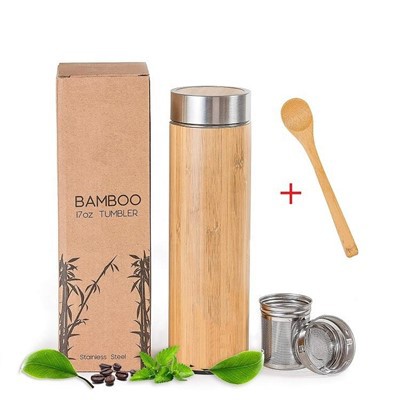
If you’re looking for a high-quality copper water bottle that’s designed for safe, long-term use, including overnight water storage, we offer a range of options made from 100% food-grade pure copper, with no linings or coatings, and tested to meet international safety standards. Whether you’re a frequent hiker who needs a reliable water vessel, someone who wants to try copper’s antimicrobial benefits, or just looking for a sustainable alternative to single-use plastics, our bottles are built to last and designed to keep your water safe. If you have questions about specific use cases, care instructions, or bulk ordering for your business, please reach out to our team to discuss your needs.
Silicone Water Bottle References
- World Health Organization (WHO). Guidelines for Drinking-Water Quality, 4th edition, 2011.
- U.S. Environmental Protection Agency (EPA). National Primary Drinking Water Regulations, 2020.
- Journal of Environmental Health. "Antimicrobial Efficacy of Copper Vessels Against Waterborne Pathogens," 2019.
- National Center for Biotechnology Information (NCBI). "Copper as an Essential Nutrient and Its Role in Human Health," 2018.
- International Copper Association. "Copper in Water Storage: Safety and Benefits," 2021.
Polywell International
Polywell International is one of the most professional copper water bottle manufacturers and suppliers in China, featured by quality products and good price. Please rest assured to buy advanced copper water bottle made in China here and get quotation from our factory. Customized orders are welcome.
Address: Building 3, Chengzhou Industrial Zone, No.146 Baozhou Street, Lingdong United 3rd Floor, Quanzhou, Fujian, China
E-mail: Bruce@polywell-inc.com
WebSite: https://www.cndrinkware.com/
