If you’ve ever watched someone butcher a tree branch with a pole saw, chances are they weren’t positioned right. I’m the guy who fields calls every single day from contractors, arborists, and even random homeowners who picked up a pole saw for the first time and nicked themselves or almost took out a power line. Let’s cut to the chase: positioning is make-or-break with this tool. Get it wrong, and you’re looking at a trip to the ER, a damaged saw, or a tree that looks like it got attacked by a rogue chainsaw. Get it right, and you’ll zip through branches like butter, stay safe, and actually get the job done fast. As someone who sells these bad boys, I can tell you the number one mistake I see people make is skipping the positioning basics. They grab the saw, climb a ladder (or lean way too far over a fence), and start hacking away. That’s a recipe for disaster. Let’s break this down like we’re chatting over a coffee—no boring textbook stuff, just what works when you’re actually out there in the yard or on the job. Pole Saw
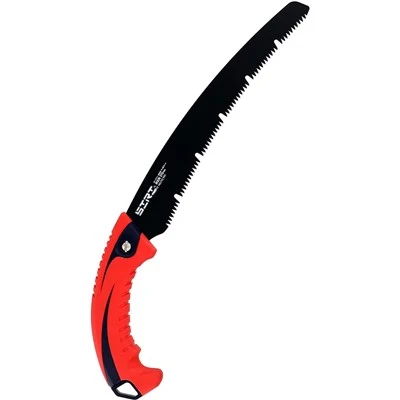
First off, let’s talk about your base. Your feet are your foundation, right? If you’re standing on slippery grass or a wobbly step stool, nothing else matters. I can’t tell you how many times I’ve heard a customer say, “I slipped, and the saw swung into my side.” Here’s the rule: feet shoulder-width apart, one foot slightly ahead of the other, like you’re ready to take a quick step. That way, if you hit a knot or the saw pulls, you don’t lose your balance. No standing on one foot—ever. No leaning over so far your back is twisted to reach a branch. That’s a surefire way to throw out your back before you even make the first cut. And if you’re using a pole saw that’s gas-powered (the heavy duty kind for big jobs), you need that stable base even more. Those things weigh 10+ pounds when fully extended, and if you’re off-balance, you’ll be fighting the saw the whole time.
Next, your grip on the saw. This isn’t holding a tennis racket—relax, but don’t be loose. Most pole saws have two handles: the main lower handle, and a secondary one up near the saw head. Let’s call the lower one your “command handle” and the upper one your “stabilizer.” Your dominant hand goes on the main lower handle, right? If you’re right-handed, that’s your right hand, left on the upper handle. Squeeze the main handle firm enough that the saw doesn’t twist, but not so tight your arm is shaking after two minutes. The upper handle is just to keep the saw steady, not to wrestle it. I always tell people: if you’re having to yank the saw to make a cut, you’re not holding it right, or you’re in the wrong position. Also, keep your elbows in close to your body. No flailing elbows out like a chicken—they take away control. If your elbow’s sticking out, every little movement of your arm makes the saw go way off where you want it to. That’s how you cut a power line or your neighbor’s gutter.
Now, the big one: where do you actually stand relative to the branch? This is where almost everyone goes wrong. Let’s say you’re cutting a branch that’s 15 feet up in an oak tree. Don’t stand directly under it. Why? Because if a chunk of branch falls, it hits you square on the head, and also, the saw will bind if you’re cutting at that exact downward angle. You want to stand at a 45-degree angle to the branch. Think of it like this: if the branch is a line going straight out from the trunk, your spot is 2 o’clock or 10 o’clock around that branch, not 12. That angle lets you make a proper cut, and it keeps falling debris away from you. Also, when you’re cutting, don’t cut straight down. Make a notch cut first on the underside of the branch, about 1/3 of the way through, then cut from the top on the opposite side. That stops the branch from splitting and tearing the bark, which is bad for the tree (and makes cleanup a nightmare). But that notch cut is way easier when you’re at that 45-degree angle. Standing under the branch, you’ll struggle to get that notch right, and you’ll probably end up with a jagged mess.
What about if you’re using a step ladder or a scaffold? A lot of people think a ladder makes positioning easier, but it actually adds another layer of risk. First, never stand on the top two rungs of a ladder. Ever. That’s OSHA 101 stuff, but you’d be surprised how many guys I see doing it with a pole saw. The rule is: keep your waist below the ladder’s top rail. If you’re reaching for a branch that’s higher, either extend the pole saw (make sure the locks are tight, by the way) or move the ladder. Don’t lean so far over the ladder that your center of gravity is outside the ladder’s base. Again, that balance thing—if you fall, the saw is going with you, and that’s a bad combination. Also, when you’re on a ladder, make sure the ladder is on level ground, not sloped. If you’re working on uneven terrain, use a ladder leveler or ground pads to keep it stable. I had a customer last month who leaned his ladder on a sloped driveway, slipped, and the pole saw landed on his prized rose bush. Not a good look, and he lost a $100 bush.
Another thing that people overlook: your body position relative to the trunk. When you’re cutting branches close to the trunk, don’t twist your torso to reach. Move your feet. That’s a tiny thing, but it makes a huge difference. Twisting your back while holding a 10-pound pole saw is a one-way ticket to back pain city, and maybe even a herniated disc. If you need to shift left or right, take a small step, not a big lean. Your legs are stronger than your back—use them. I always say: if your core feels like it’s straining, you’re doing it wrong. The pole saw is supposed to do the work, not your body.
Wait, let’s talk about extension poles specifically. A lot of our pole saws extend up to 15 or 20 feet, which is great for high branches, but when you extend the pole, your positioning changes. The longer the pole, the more balance you need. When the pole is fully extended, keep your upper body straight, no hunching over the saw. Hunching makes the saw harder to control and puts extra stress on your shoulders and back. Also, when retracting the pole, don’t yank it back with the saw running. Turn the saw off first, then retract. It’s a small step, but it prevents the saw blade from hitting the pole, which can dull the chain or break it.
What about safety gear while positioning? This isn’t just “wear a hard hat”—it’s part of your overall positioning. When you’re setting up, put on your hard hat, eye protection, and steel-toe boots first. If you’re using a gas saw, ear protection too. A lot of people rush through this, but positioning starts before you even turn the saw on. If you’re cutting near power lines, call your utility company first, and don’t stand closer than 10 feet to any lines—no exceptions. I can’t tell you how many horror stories I’ve heard of people getting zapped because they thought the line was “far enough.”
Let’s get into a common scenario: cutting a thick branch, like 6 inches or more. You can’t just power through that in one cut, and your positioning is make-or-break here. First, make that undercut, like I mentioned earlier, then the top cut. But when you’re making the top cut, stay back a little. Once the branch starts to fall, move away immediately—don’t try to catch it or chop it as it falls. The branch can twist or rebound, and that’s when it hits you. I had a regular customer, a landscaper named Mike, tell me last year that he got hit by a 8-inch branch that he thought would fall the other way. It bounced back, and smacked his shoulder. He was out of work for a week. Don’t be Mike. When that branch starts to give, step back at least a couple feet, and let it land where it’s supposed to.
Now, let’s address a myth I hear all the time: “I don’t need to worry about positioning for small jobs, like cutting low branches.” No. Even a 2-inch branch can swing back and hit you if you’re not positioned right. I had a homeowner call me last month, panicking, because he cut a low branch in his front yard, and it swung and cracked his car’s windshield. He wasn’t standing at a 45-degree angle, he was standing right under the branch. That $500 windshield repair could’ve been avoided if he’d just stood to the side. Positioning isn’t just for big, scary jobs—it’s for every cut you make.
As your go-to pole saw supplier, I’ve tested all these positioning tips hundreds of times (and learned from the mistakes of a lot of customers too). Let’s recap the key stuff so you don’t have to take notes: 1) Feet shoulder-width apart, one foot forward, stable base, no slippery spots. 2) Two-hand grip: dominant hand on lower handle, other on upper, elbows in tight. 3) Stand at a 45-degree angle to the branch, not under it. 4) For ladders: top two rungs are off-limits, waist below top rail, level ground. 5) Move your feet, don’t twist your back. 6) Cut notch first on underside of thick branches, move back when branch falls. 7) Safety gear isn’t optional—part of the positioning plan.
If you’re new to using a pole saw, start small. Practice on low, thin branches first to get the positioning right before you tackle high, thick ones. Don’t rush. I see people trying to cram 10 cuts into 5 minutes, and that’s when mistakes happen. Take your time, set up your position correctly, and the job will go way smoother.
Now, if you’re tired of dealing with flimsy pole saws that make positioning even harder, let’s chat. We’ve got a range of pole saws for homeowners, contractors, and arborists—from electric ones perfect for small yard jobs to heavy-duty gas models for big commercial projects. Whatever your needs, we’ve got you covered. Give us a shout to talk about the right saw for your jobs, plus any extra tips we can share based on your specific projects. Don’t let bad positioning turn a simple yard task into a headache—let’s get you set up with the right tools and know-how to get the job done safely and efficiently.

When you’re working with any power tool, positioning is half the battle. It’s not rocket science, but it’s something that a lot of people overlook because they’re focused on the saw itself. By taking the time to get your stance, grip, and position relative to the branch right, you’ll not only stay safe, but you’ll also get cleaner cuts and finish faster. At the end of the day, that’s what we all want—no ER visits, no ruined trees, no damaged property, and a job well done. If you have questions about pole saws or positioning tips for your next project, reach out and we can help you out.
Folding Saw References
- Occupational Safety and Health Administration (OSHA). Portable Power Tools Safety Requirements.
- International Society of Arboriculture (ISA). Tree Pruning Best Practices.
- American National Standards Institute (ANSI). Safety Standards for Chainsaws and Pole Saws.
- Centers for Disease Control and Prevention (CDC). Preventing Power Tool-Related Injuries.
Shandong Siri-Tools Co., Ltd.
As one of the most professional pole saw manufacturers in China, we also support customized service. We warmly welcome you to buy high quality pole saw for sale here from our factory. If you have any enquiry about cooperation, please feel free to email us.
Address: Hedong Distric, Linyi City, Shandong Province
E-mail: cathysiri@siri-tools.com
WebSite: https://www.siri-tools.com/
