Hey there, PVC Glass Door
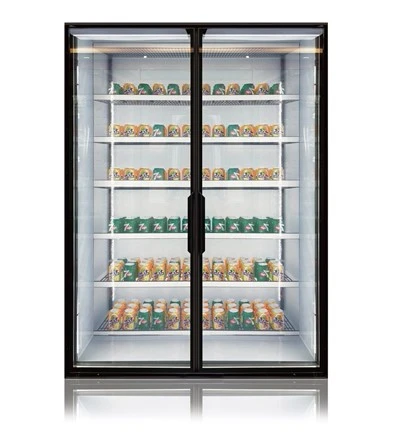
If you’ve ever stood in front of a PVC glass door on a sunny morning—be it the one leading to your backyard patio in a rental property, the entry door of a small café on Main Street, or the sliding door that connects your apartment to a fire escape—and thought, “This thing looks dull, and I don’t want to ruin it”, you’re not alone. For years, as a PVC glass door supplier, I’ve talked to homeowners, facility managers, and handypeople who get stuck on this exact problem: cleaning the glass part leaves streaks, and scrubbing the PVC frame damages the matte finish or causes yellowing over time. I’ve seen folks reach for abrasive scouring pads or harsh chemical cleaners that leave their doors worse than before, and it’s such a preventable mistake. Today, I’m breaking down exactly how to clean a PVC glass door—properly, safely, and without the guesswork—using methods I’ve recommended to thousands of our customers over the years.
First, let’s get one thing straight: PVC glass doors aren’t a one-size-fits-all surface. The glass is standard tempered glass, same as any window, but the PVC frame is a specific type of vinyl designed for outdoor and indoor use—it’s flexible, resistant to moisture, and built to last, but it’s also sensitive to two things: abrasion that scratches its smooth surface, and harsh chemicals that break down its UV-stabilized layer over time. I’ve watched doors that were installed 10 years ago by competitors fade to a dingy gray because their owners used bleach-based cleaners on the frame, and that’s a avoidable error. The goal here is to clean both the glass and the PVC frame without damaging either, so let’s split this process into simple, no-fuss steps, starting with prep work (the most important part that most people skip).
Before you grab any cleaner or cloth, take 5 minutes to prep your door and gather the right supplies. Rushing in with a spray bottle full of window cleaner is how you end up with drips on your hardwood floors or streaks all over the glass. First, clear the area around the door. If it’s an exterior door, move any planters, patio furniture, or kids’ toys away from the base—you don’t want to accidentally knock something over while cleaning. If it’s an interior door, wipe down the nearby floor to catch any drips. Next, do a quick dry dust of the door first. Use a soft microfiber cloth (never a paper towel or a stiff rag—those leave lint and tiny scratches) to wipe down both the glass and the PVC frame, getting rid of loose dirt, dust, and cobwebs. If there’s caked-on grime near the bottom of the frame (from rain splatter or mud), use a soft-bristled nylon brush—like an old toothbrush that’s clean— to gently dislodge it. This step is crucial because if you skip it, you’ll be rubbing those tiny dirt particles around when you wet the door, which can scratch the PVC frame.
Now, let’s tackle the two parts separately: the glass and the PVC frame, because they need different cleaners and techniques. Starting with the glass is best, because any overspray from the glass cleaner will land on the frame, which you’ll clean next anyway. For the glass, most people think they need store-bought ammonia-based window cleaners, but I’ve found that a simple DIY glass cleaner works just as well, and it’s gentler on the overall door. Mix one part white vinegar with four parts warm water in a spray bottle—vinegar cuts through grease and grime without leaving residue, and it’s safe for tempered glass. If you have really tough, dried-on smudges (like fingerprints from kids or food splatter near a kitchen door), add a drop of mild dish soap (the kind for hand-washing dishes, not the heavy-duty degreaser that’s used for pots) to the mix.
Spray the cleaner directly onto the glass—don’t overspray, aim for one panel at a time, so it doesn’t dry before you can wipe it. Then, use a squeegee for the best results, if you have one—start at the top corner, pull it straight down, and wipe the blade with a clean microfiber cloth after each pass. If you don’t have a squeegee, crumple up a clean microfiber cloth (again, no paper towels!) into a ball and wipe the glass in a circular motion, starting from the top and working your way down. This prevents streaks, and the microfiber traps the dirt without leaving lint. Avoid wiping the glass with a horizontal motion— that’s a common mistake that leads to streaks, because you’re missing spots as you go. Once the glass is clean, take a quick look at the frame—any overspray that landed on it will be easy to wipe up now, before it has a chance to dry.
Now for the PVC frame, which is the part that needs the most care. This is where people make the biggest mistake: using all-purpose cleaners, bleach, or abrasive scrubbers. Bleach and other harsh chemicals will break down the UV stabilizers in PVC over time, leading to yellowing and cracking, and abrasive scouring pads will scratch the smooth finish. So what works best? A mild, pH-neutral cleaner—again, DIY works here. Mix a few drops of mild dish soap (the same one you used for the glass, no heavy degreasers) with warm water in a bucket. Avoid adding any vinegar or ammonia here, because those can be too harsh for PVC over repeated use. If you have mold or mildew on the bottom of the frame (common for exterior doors that get wet), add a small amount of hydrogen peroxide to the mixture—one part hydrogen peroxide to five parts water is enough, and it kills mold without damaging the PVC.
Dip the soft microfiber cloth or the old toothbrush (for tight corners) into the soapy water, wring it out well—you don’t want it dripping wet, because excess water can seep into the frame’s joints and cause damage, especially for sliding doors with tracks. Gently scrub the PVC frame, moving in the same direction as the frame’s grain (if it has a subtle texture, many modern PVC doors do) to avoid scratching. Pay extra attention to the tracks for sliding doors—this is where dirt, leaves, and even small pebbles get stuck, which can make the door hard to open and close. The old toothbrush is perfect for getting into those narrow track gaps. If there’s stubborn grime, let the soapy solution sit on the area for 30 seconds before scrubbing—don’t press hard, that’s when scratches happen. Once you’ve cleaned the entire frame, use a clean, damp microfiber cloth to wipe away all the soap residue, then dry the frame immediately with a dry cloth. Water left on PVC can cause water spots, and over time, can lead to discoloration, so don’t skip the drying step.
Once both the glass and the frame are clean and dry, there are a few extra steps to keep your PVC glass door looking good for years, which I always share with our customers. First, for PVC frames, a light coat of a silicone-based protectant (made specifically for vinyl, not for wood or leather) every 6 months will help preserve the UV stabilizer, preventing yellowing and fading. Just spray a small amount onto a microfiber cloth, wipe it onto the frame, and buff off any excess—don’t spray it directly onto the door, because it can get onto the glass and leave streaks. For sliding doors, take an extra minute to vacuum the tracks once a month, using the brush attachment of your vacuum, to get rid of small dirt particles that can scratch the track as the door slides. And for the glass, avoid using any Windex or other ammonia-based cleaners regularly—they’re fine for occasional use, but the vinegar-water mix is gentler and just as effective long-term.
Wait, I should mention a few common mistakes I see all the time that people don’t realize they’re making. First, cleaning the door in direct sunlight. If you’re wiping it down on a hot, sunny day, the cleaner will dry before you can wipe it off, leaving streaks. Aim for a cool, shaded time of day, or do interior doors in the morning or evening when the sun isn’t beating on them. Second, using too much water. As I said earlier, excess water can get into the frame’s joints and cause damage, especially for exterior doors that are exposed to the elements. Wringing out your cloth properly is key. Third, mixing cleaners. I’ve seen people combine vinegar and ammonia thinking it will make a stronger cleaner—this creates a toxic gas, and it’s completely unnecessary, since we already have a simple, effective solution.
Let me also speak from experience as a supplier. Over the last 12 years, I’ve delivered and installed thousands of PVC glass doors, and the ones that look brand new 10 years later are the ones whose owners follow these simple steps. I’ve had a customer reach out to me last month saying their 8-year-old sliding door looked like new because they’d been using the vinegar-water mix and the mild soap for the frame—they’d avoided using bleach after I explained the damage it causes, and it made all the difference. On the flip side, I’ve had a customer return a door because the frame faded in 2 years, and it turned out they’d been using a bleach-based all-purpose cleaner to wipe it down. That’s why these steps aren’t just random tips—they’re based on what actually works for the PVC we use in our doors, which is a high-grade, UV-stabilized PVC that’s designed to last, but not indestructible.
If you’re thinking of replacing an old, damaged door or getting a new PVC glass door for your home or business, I can’t stress enough how important it is to choose a supplier that uses the right materials. Not all PVC is the same—cheap PVC doors use low-grade material that yellows easily when exposed to harsh cleaners and sunlight, while the PVC we use is specially formulated to resist fading and damage, as long as you clean it properly. But even if you already have a door from another supplier, these cleaning steps will work for you too.
At the end of the day, cleaning a PVC glass door doesn’t have to be a chore that takes hours or leaves you stressed. It’s about using the right tools, the right cleaners, and being gentle with the PVC frame, since that’s the part that’s most prone to damage. The result? A door that looks clear, bright, and works smoothly for years to come, whether it’s your front entry, your patio sliding door, or the door to your small business’s back office.

If you’re in the market for a new PVC glass door, or you have questions about maintaining the one you already have, feel free to reach out to our team to discuss your needs. We offer custom sizes, a range of styles for residential and commercial use, and we’re always happy to share more tips to keep your doors looking their best for as long as possible.
Pu Panel References
- “PVC Vinyl Maintenance & Cleaning Guidelines”, Vinyl Institute, 2022
- “Tempered Glass Care for Residential and Commercial Applications”, Glass Association of North America, 2021
- “Mild Cleaning Solutions for Exterior Vinyl Surfaces”, Journal of Sustainable Construction Materials, 2020
Coste Glass Door Co., Ltd.
As one of the most professional pvc glass door manufacturers and suppliers in China, we’re featured by quality products and good price. Please feel free to wholesale bulk pvc glass door in stock here and get quotation from our factory. Customized orders are welcome.
Address: 41/47, VILLAGE NO.5 KHOK KRABUE SUBDISTRICT MUEANG SAMUT SAKHON DISTRICT ,SAMUT SAKHON PROVINCE 74000 ,Thailand
E-mail: Alicezhou@shhag.com
WebSite: https://www.costeglassdoor.com/
