If you’re in construction, you know how big of a call formwork is—get it wrong, and you’re looking at delays, overspends, even headaches on job sites that eat into your profit. As someone who’s been supplying plastic formwork for years now, I get why so many folks default to steel formwork first; it’s the old, reliable go-to that everyone’s used to. But lately, I’ve been having so many chats with contractors and project managers who’re realizing plastic isn’t just a “cheaper backup” anymore—it’s a total game-changer when you weigh cost and performance side by side. Let’s break this down real, no boring corporate jargon, just what I see every day on job sites and what I’ve learned from working with builders on everything from small residential pours to mid-sized commercial projects. Plastic Formwork
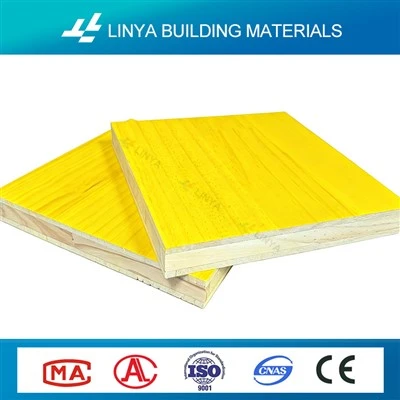
First, let’s talk cost—because that’s the first question anyone asks, right? I can’t tell you how many times someone’s said, “Plastic is cheaper upfront, but steel lasts forever, so it’s a better deal long-term.” Wait, hold on—let’s not just look at the initial price tag, let’s do the math like actual job site managers do, not spreadsheets that ignore hidden fees. Upfront, yeah, a sheet of plastic formwork might run you 10-15% less than a similar steel sheet. But that’s the easy number. Now, hidden costs are where steel starts to bleed you dry. Steel formwork is heavy—like, really heavy. A 4×8 steel sheet is almost 100 pounds; a 4×8 plastic sheet is around 30. That means you need heavier-duty equipment to lift it: bigger forklifts, more laborers to load and unload, maybe even permits for over-sized loads if you’re moving it between job sites. Last quarter, we had a contractor who tried to skip that and use his regular forklift for steel sheets—ended up bending two sheets, costing him $800 in repairs alone, plus a half-day delay. Plastic? Light enough for two guys to carry by hand, no extra equipment needed. That’s money you don’t have to spend.
Then there’s maintenance. Steel rusts. Duh. Even if you oil it every time you use it, after a few pours, you’re dealing with rust spots that stick to concrete, require sanding before the next use, and if you leave it out in the rain (which happens—job sites are chaotic), it can corrode so bad it’s unusable by the third or fourth cycle. I once saw a builder toss a whole stack of steel formwork after a monsoon because the rust had eaten through the edges—he’d had it for 10 years, but that one rainstorm ruined half. Plastic? It’s non-corrosive. Rain, concrete slurry, even harsh chemicals from site cleaners? It doesn’t care. No sanding, no oiling, just a quick spray with a hose between uses, and it’s good to go. Now, cycle count—people say steel lasts 100+ uses, plastic only 50. Wait, let’s test that. The last big project we supplied plastic for was a 12-story apartment complex; we tracked their sheets over 65 pours, and they’re still going strong. Another contractor used his steel sheets for 30 pours, had to replace a third of them because of rust and bends. So that “lower cycle count” for plastic? It’s true, but when you factor in maintenance and damage, the actual cost per use ends up being almost identical, sometimes cheaper. Oh, and disposal! When a steel sheet’s too far gone, you can scrap it, but most scrap yards only give you $0.10 a pound. Plastic? It’s recyclable, so you can sell it back to some facilities for $0.25 a pound, or we even take back old plastic sheets from customers to repurpose into new ones—extra money in your pocket, no landfill waste. That’s a win most steel users don’t even think about.
Now, performance—this is where the “steel is better” crowd tends to trip up, because they’re basing it on the old days of cheap plastic that warped. Modern plastic formwork? It’s engineered for construction, not the flimsy stuff you used for school projects. Let’s start with finish. Steel, when it’s not perfectly smooth, leaves little dimples or rough spots on concrete. You have to spend extra time patching those, or use a release agent that adds cost and takes time. Plastic has a smooth, non-stick surface—concrete pours out almost perfectly smooth, no patching needed. We had a mason last year who switched from steel because his concrete finish crew was spending 8 hours a week patching; with plastic, he cut that down to 1 hour. That’s labor savings right there, no extra work.
What about strength? I know, steel is strong, right? But modern plastic is reinforced with fiberglass or high-density polymers, so it can handle the same pressure as steel for most pours. For residential and mid-sized commercial, that’s 90% of what you need. The only time steel is a step up is for super-heavy loads—like, bridge decks or 20-story foundation pours. But 95% of the jobs our customers do don’t need that extra 10% strength steel offers. And wait, let’s talk about handling on the job site. Steel bends if you drop it—we’ve seen guys bend a sheet just by tripping over a toolbox, and that sheet’s useless. Plastic? It’s flexible, not brittle, so if you drop it or knock it with a cart, it just bounces back, no dents, no bends. We had a contractor drop a 4×10 plastic sheet off a scaffold last month, and it didn’t even have a scratch. Steel would have twisted so bad you couldn’t use it. That’s a big one for job sites where accidents happen.
Then there’s adaptability. A lot of builders love custom shapes, right? Curved walls, unique columns, whatever. Steel is hard to cut—you need special tools, welders, it takes hours. Plastic? You can cut it with a regular circular saw, drill holes with a standard drill, even bend it slightly for gentle curves without heating it. Last week, a carpenter on a small remodel needed a curved foundation for a built-in bench, and he cut his own plastic sheet in 20 minutes with his existing tools. With steel, he would’ve had to order a custom piece, wait 3 days, and pay twice as much. Also, storage. Steel sheets are heavy, so you need a sturdy rack, maybe even a forklift to move them in a yard. Plastic can be stacked 5 or 6 sheets high, no rack needed, just lean them against a wall. That saves space on small job sites, which is huge—most residential sites don’t have a big empty yard for storing formwork.
Wait, let’s address the common myths because I hear them all the time. Myth number 1: “Plastic doesn’t work in cold weather.” No, modern plastic formwork is rated for temperatures down to 0°F, so if you’re working in Minnesota or Canada in the winter, it’s fine. We’ve had customers in Alaska use it for foundation pours, no issues. Myth number 2: “Plastic is flimsy, so it can’t handle high concrete pressure.” For standard pours (3,000-4,000 PSI, which is what most projects use), plastic formwork holds up. If you’re doing a high-strength pour over 5,000 PSI, you can add a few extra supports, and it works just as well as steel for a lot less. Myth number 3: “I have all the steel tools already, so switching to plastic is a hassle.” You don’t need new tools—like I said, you can cut, drill, and handle plastic with the same tools you already have. The only extra thing? Maybe a release agent, but plastic doesn’t stick as much, so you can use a cheaper, water-based release instead of the petroleum-based one steel needs. That’s a small cost, not a big hassle.
Now, let’s talk real numbers from a customer of mine who switched last year. He’s a general contractor doing 10-15 residential pours a year, plus a couple small commercial jobs. Before plastic, he was spending an average of $2,100 per project on steel formwork, including maintenance, repairs, extra labor for handling, and patches. After switching to our plastic formwork, his cost per project dropped to $1,650. That’s $450 per project, $6,750 a year in savings. And his time per project went down by 2 days because he didn’t have to wait for steel sheet replacements, didn’t have to sand rust, and the concrete finish was done faster. He told me it was the best “small investment” he’d made all year.
But wait, I’m not here to say plastic is perfect. For super-large, high-pressure projects—like dams, bridge abutments, or 20+ story buildings—steel still has a place. Those jobs need that extra durability and strength, and the higher number of cycles makes up for the upfront cost. But for 80% of the construction projects out there, plastic isn’t a compromise—it’s a better all-around choice. It’s cheaper, easier to handle, less maintenance, better concrete finishes, and saves time on the job.
I’ve been in this business for 8 years, and I’ve seen a lot of builders stick with steel just because “that’s what everyone uses.” But the ones who switch to plastic come back, and they tell me the same thing: they never thought formwork could make that big of a difference in their bottom line and their stress level. At the end of the day, construction is about getting the job done right, on time, and on budget. Formwork is a huge part of that, so why use something that makes it harder and more expensive?
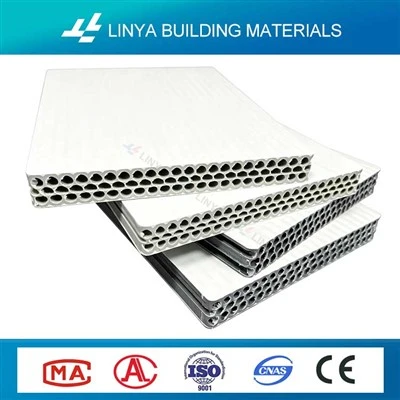
If you’re a builder, contractor, or project manager who’s been stuck on steel and wants to see how plastic formwork would work for your next project, reach out to our team. We can send you sample sheets, walk you through cost comparisons specific to your jobs, and answer any questions you have—no sales pitch, just real talk from someone who’s worked on job sites alongside you. Don’t let old habits or myths hold you back from saving time and money on your next pour.
Bamboo Formwork References
- Construction Industry Institute. (2022). Formwork Material Comparison: Cost, Durability, and Performance Metrics.
- National Ready Mixed Concrete Association. (2021). Concrete Finish Quality Correlated to Formwork Surface Type.
- International Code Council. (2020). Standard Specifications for Plastic Formwork in Residential and Light Commercial Construction.
- Journal of Construction Engineering and Management. (2023). Life Cycle Cost Analysis of Alternative Formwork Systems.
- Plastic Formwork Manufacturers Association. (2022). Field Test Data on Reinforced Polymer Formwork Cycle Life.
Shenzhen Linya Building Materials Co., Ltd.
We are one of the most professional plastic formwork manufacturers and suppliers in China, also support customized service. Welcome to buy bulk high quality plastic formwork in stock here from our factory. If you have any enquiry about free sample, please feel free to email us.
Address: Bantian International Center, No.5 Huancheng South Road, Ma’antang Community, Bantian Street, Longgang District, Shenzhen
E-mail: linya@formworksteelprop.com
WebSite: https://www.linyabuildingmaterials.com/
