As a supplier of Lubricated Plug Valves, I’ve encountered numerous inquiries from customers about the minimum flow rate required for these valves to operate effectively. This topic is crucial as it directly impacts the performance and efficiency of various industrial processes. In this blog, I’ll delve into the factors that determine the minimum flow rate for Lubricated Plug Valves and provide insights to help you make informed decisions. Lubricated Plug Valves
Understanding Lubricated Plug Valves
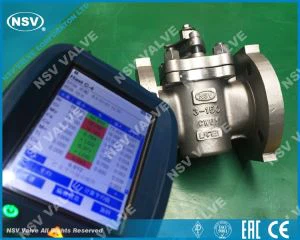
Lubricated Plug Valves are a type of quarter – turn valve that uses a conical or cylindrical plug to control the flow of fluid. The plug has a passageway through it, and when the valve is open, the passageway aligns with the pipe, allowing fluid to flow. When the valve is closed, the plug is rotated 90 degrees, blocking the flow. The lubrication in these valves serves multiple purposes. It reduces friction between the plug and the valve body, provides a seal to prevent leakage, and protects the valve components from wear and corrosion.
Factors Affecting the Minimum Flow Rate
Viscosity of the Fluid
The viscosity of the fluid being transported is one of the most significant factors influencing the minimum flow rate. Viscosity is a measure of a fluid’s resistance to flow. High – viscosity fluids, such as heavy oils or syrups, require a higher flow rate to overcome the internal resistance and move through the valve smoothly. In contrast, low – viscosity fluids like water can flow at a lower rate. For example, if you are using a Lubricated Plug Valve to control the flow of a high – viscosity lubricant, you may need a minimum flow rate of 10 gallons per minute (GPM) to ensure proper operation. However, for water, a minimum flow rate of 2 GPM might be sufficient.
Valve Size
The size of the Lubricated Plug Valve also plays a crucial role in determining the minimum flow rate. Larger valves have a greater cross – sectional area, which allows for a higher volume of fluid to pass through. A smaller valve, on the other hand, restricts the flow and requires a lower minimum flow rate. For instance, a 2 – inch Lubricated Plug Valve may have a minimum flow rate of 5 GPM, while a 6 – inch valve could have a minimum flow rate of 20 GPM.
Pressure Drop
Pressure drop is the decrease in pressure that occurs as fluid flows through the valve. A higher pressure drop indicates that more energy is required to push the fluid through the valve. If the flow rate is too low, the pressure drop across the valve may become excessive, leading to poor performance and potential damage to the valve. To maintain an acceptable pressure drop, a minimum flow rate must be maintained. The relationship between pressure drop and flow rate is typically described by the valve’s flow coefficient (Cv). The Cv value represents the volume of water (in gallons per minute) that will flow through the valve with a pressure drop of 1 psi. A higher Cv value indicates a lower pressure drop for a given flow rate.
Lubrication Requirements
Proper lubrication is essential for the effective operation of Lubricated Plug Valves. The flow of fluid helps to distribute the lubricant evenly around the plug and valve body. If the flow rate is too low, the lubricant may not be distributed properly, leading to increased friction, wear, and potential leakage. The minimum flow rate should be sufficient to ensure that the lubricant is circulated and maintained in the valve.
Determining the Minimum Flow Rate
To determine the minimum flow rate for a Lubricated Plug Valve, several steps can be taken:
- Fluid Analysis: First, analyze the properties of the fluid, including its viscosity, density, and temperature. These properties will affect the flow characteristics and the minimum flow rate required.
- Valve Selection: Choose the appropriate valve size based on the expected flow rate and pressure requirements of the system. Consider the valve’s Cv value and its compatibility with the fluid.
- System Calculation: Use engineering calculations to determine the pressure drop across the valve at different flow rates. This can be done using the valve’s Cv formula and the system’s piping characteristics. The minimum flow rate should be selected to ensure that the pressure drop remains within acceptable limits.
- Testing and Validation: Conduct tests on the valve in a laboratory or in a real – world application to verify the minimum flow rate. Monitor the valve’s performance, including leakage, friction, and lubricant distribution, at different flow rates.
Importance of Maintaining the Minimum Flow Rate
Maintaining the minimum flow rate is crucial for the long – term performance and reliability of Lubricated Plug Valves. If the flow rate is below the minimum, several issues can arise:
- Inadequate Lubrication: As mentioned earlier, low flow rates can lead to poor lubricant distribution, resulting in increased friction and wear. This can shorten the valve’s lifespan and increase the risk of leakage.
- Poor Sealing: Insufficient flow may cause the plug to not seat properly, leading to leakage. A proper flow rate helps to ensure that the plug is fully engaged and sealed against the valve body.
- Pressure Instability: Low flow rates can cause pressure fluctuations in the system, which can affect the performance of other components and lead to system inefficiencies.
Case Studies
Let’s look at a couple of case studies to illustrate the importance of the minimum flow rate for Lubricated Plug Valves.
Case Study 1: Oil Refinery
In an oil refinery, a Lubricated Plug Valve was installed to control the flow of heavy crude oil. The initial flow rate was set too low, resulting in poor lubrication and increased friction. The valve started to leak, and the pressure drop across the valve became excessive. After analyzing the fluid properties and the valve’s requirements, the minimum flow rate was increased from 5 GPM to 15 GPM. This improvement led to better lubricant distribution, reduced leakage, and a more stable pressure in the system.
Case Study 2: Chemical Plant
A chemical plant was using a Lubricated Plug Valve to control the flow of a low – viscosity chemical solution. The valve was sized correctly, but the flow rate was not monitored closely. Over time, the flow rate dropped below the minimum, causing the plug to stick and the valve to malfunction. By increasing the flow rate to the recommended minimum, the valve’s performance was restored, and the plant was able to operate more efficiently.
Conclusion

In conclusion, the minimum flow rate for Lubricated Plug Valves is determined by several factors, including the viscosity of the fluid, valve size, pressure drop, and lubrication requirements. It is essential to carefully consider these factors when selecting and operating Lubricated Plug Valves to ensure their effective performance. Maintaining the minimum flow rate helps to prevent issues such as inadequate lubrication, poor sealing, and pressure instability.
Corrosion Resistant Valves If you are in need of Lubricated Plug Valves or have any questions about the minimum flow rate for your specific application, I encourage you to reach out to me. I have extensive experience in providing high – quality Lubricated Plug Valves and can offer expert advice to help you choose the right valve and ensure its proper operation. Let’s start a conversation and find the best solution for your industrial needs.
References
- "Valve Handbook" by Crane Co.
- "Fluid Mechanics" by Frank M. White
- Technical literature from valve manufacturers on Lubricated Plug Valves.
NSV Valve Corporation
NSV Valve Corporation is one of the most professional lubricated plug valves manufacturers and suppliers in China, featured by quality products and good service. Please rest assured to buy lubricated plug valves made in China here from our factory.
Address: Puyi Road,Sanqiao Industrial Zone, Oubei Street, Yongjia County,Zhejiang,China
E-mail: info@nsvvalve.com
WebSite: https://www.nsvvalves.com/
