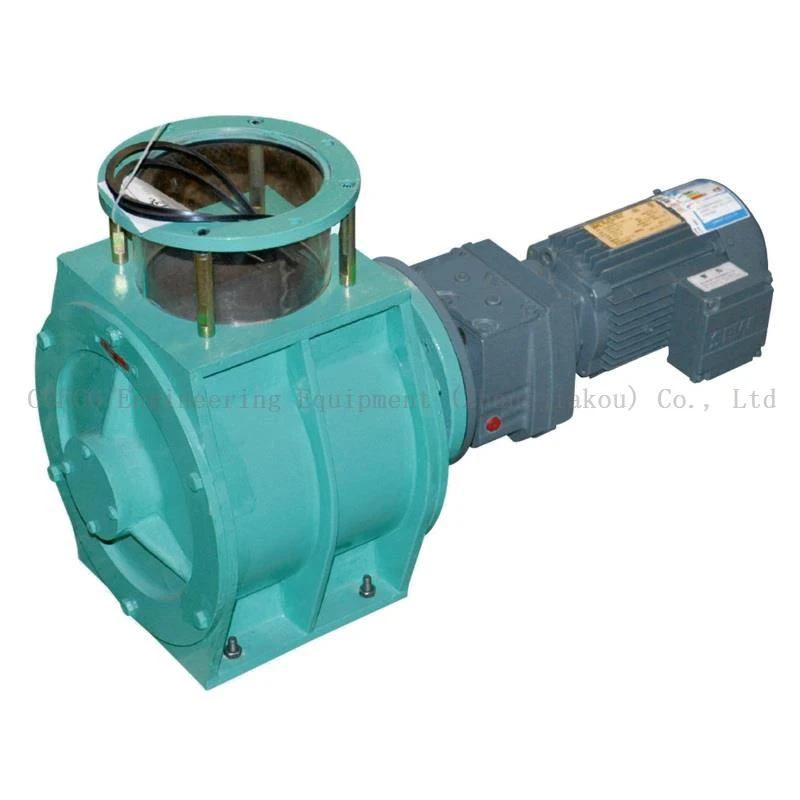
Grain Cleaning Machines If you’re a grain processor, farm manager, or someone who relies on grain cleaning machines to keep your operation running smoothly, you know those pieces of equipment aren’t just metal boxes and moving parts—they’re the backbone of every harvest season. For the past 12 years, I’ve been a grain cleaning machine supplier, and I’ve talked to hundreds of operators who’ve sunk thousands of dollars into premature component failure because they skipped small, consistent maintenance steps. I’ve seen a client in Iowa replace a set of sifters every 6 months instead of the projected 2 years, all because they let dust and residue build up between harvests. Another farmer in Saskatchewan wore out his auger bearings in a single season because he never adjusted the tension on the drive belt. These mistakes aren’t caused by bad equipment design—they’re caused by cutting corners on care. Today, I want to walk you through the science-backed, field-tested steps we share with every client to extend the life of your grain cleaning machine’s components. None of these are complex, fancy hacks—they’re the same routines we train our technicians to demo on every machine we sell. Let’s start with the most overlooked part of any grain cleaning machine: the air system. Grain cleaning relies on controlled air flow to separate chaff, dust, and foreign material from usable grain. If that air isn’t clean, it’s like breathing in dust every day for your machine, and the components will wear out fast. The air inlet filters and outlet screens on our standard models are designed to stop large debris from entering the fan and air ducts, but if you leave them caked with grain dust and starch, two things happen: first, the fan has to work 30-40% harder to pull the same air volume, which strains the motor and shortens its lifespan by an average of 25%, according to data from the American Society of Agricultural and Biological Engineers (ASABE). Second, that blocked air flow creates static pressure spikes that push tiny abrasive grain particles through gaps in the filter and into the fan blades. Over time, those particles erode the fan’s metal surface, throwing the blade balance off. An unbalanced fan doesn’t just vibrate the entire machine—it also wears out the bearings in the fan housing twice as fast as a balanced one. The fix here is simple, but it needs to be consistent: before and after every harvest, and every 10 hours of off-season testing, shut down the machine, disconnect the power, and vacuum the air inlet filter with a soft-bristle attachment. For the outlet screen, which catches larger debris before it exits the machine, use a stiff brush to scrub off caked-on chaff, then blow it out with a low-pressure air hose—high pressure can tear the screen mesh, which is a costly replacement I’d rather not see anyone deal with. Next, let’s talk about sifter components. Sifters—the mesh screens that sort grain by size—are the most frequently replaced part on any grain cleaning machine, and for good reason. They’re constantly exposed to the abrasive impact of grain kernels, which can be as hard as quartz in some cases, plus corrosive residue from moldy or damp grain. When operators use the wrong tension on the sifter frame bolts, or leave debris caught between the mesh and the frame, that wear accelerates. Here’s the science behind it: grain hitting a loose sifter mesh at 100 RPM creates uneven stress points that cause the mesh to stretch and tear at the edges, where it’s bolted to the frame. If debris is caught between the mesh and the frame, it acts like a tiny knife, slicing through the mesh fibers (even stainless steel mesh, over time) in that exact spot. We recommend two steps for sifter care. First, after each harvest, remove every sifter screen, brush off all grain and residue, and inspect the mesh for small tears or bends. If you spot a ¼-inch tear in a high-traffic area (like the bottom sifter, where most debris collects), don’t just ignore it—use a specialty sifter repair patch made from the same mesh material, bonded with food-grade adhesive, to fix it. This costs a fraction of a new sifter screen and can add 6 months to a screen’s life. Second, check the sifter frame tension every 50 hours of operation. The frame bolts should be tightened to the manufacturer’s torque specification—for most of our mid-sized sifters, that’s 18 foot-pounds. Too loose, and you get uneven mesh tension; too tight, and you risk warping the aluminum frame, which is a permanent issue. Now, let’s move to drive components: belts, bearings, and pulleys. These are the parts that transfer power from the machine’s motor to the sifters, fan, and augers. I’ve seen operators wait until a belt snaps mid-harvest to replace it, but even small, unaddressed issues here shorten component life. Let’s start with drive belts. Grain cleaning machines use V-belts or synchronous belts, depending on the model, and their lifespan depends almost entirely on tension and alignment. A belt that’s too loose slips, generating excess heat from friction between the belt and pulley. That heat breaks down the rubber or synthetic material of the belt, causing cracks and stretching. A belt that’s too tight puts extra stress on the bearings of the motor and the sifter shaft, wearing them out prematurely. The rule of thumb we teach is to check belt deflection: for every foot of belt span between pulleys, there should be ½ inch of deflection when you press down firmly in the middle. Alignment is just as important. If the pulleys are off-kilter, the belt will rub on the edges of the pulley instead of running straight, leading to uneven wear that makes the belt break much faster. We recommend aligning pulleys with a straight edge every harvest, or whenever you replace a belt. If you notice the belt squealing while the machine runs, that’s a sign it’s slipping and needs adjustment—don’t wait until it breaks mid-harvest, when you’re stuck with a backlog of grain to process. Bearings are the next big drive component to watch. Every moving part on a grain cleaning machine has a bearing, and most of them are sealed, but they still need lubrication. The biggest mistake operators make here is either over-lubricating or under-lubricating. Under-lubrication creates metal-on-metal friction, which generates heat and wears out the bearing’s inner and outer races. Over-lubrication, on the other hand, traps heat inside the bearing, breaking down the grease and causing seal damage, which lets grain dust and moisture seep in and contaminate the bearing. The grease we recommend for all our machines is a lithium-based, food-grade grease with extreme pressure (EP) additives, which is resistant to moisture and works in a wide range of temperatures. The lubrication schedule is simple: for heavy-use harvest seasons (8-10 hour days), lubricate bearings every 50 hours. For off-season use, lubricate them before storing the machine. Always follow the grease fitting’s capacity—most our bearings take 1-2 grease shots per fitting, and no more. Too much grease is just as bad as too little. Now, let’s talk about the parts that don’t move, but are just as critical: the hopper, auger, and discharge chute. These parts are often overlooked because they don’t have motors or belts, but they’re exposed to constant grain flow and abrasive residue. Over time, grain kernels and debris can build up in the hopper corners, and if you leave that residue there during off-season storage, it can attract moisture, which causes rust on steel components and mold that can transfer to new grain next harvest. We recommend a thorough, deep clean of the entire hopper, auger, and discharge chute immediately after each harvest. Use a wire brush to scrub rust spots on steel augers, then apply a light coat of food-grade oil to prevent future corrosion. For auger flights, which are the metal spirals that move grain, check for dents or bends after each season. A bent auger flight doesn’t just slow down grain flow—it can create friction against the auger tube, wearing out the auger’s drive bearings faster. If you spot a small bend, use a hydraulic press to straighten it, or replace the flight if it’s damaged beyond repair. Even storage plays a role in component lifespan. I’ve had clients who park their machines outside, exposed to rain, snow, and direct sunlight for months, and wonder why their sifter mesh rusts or belts crack. Sunlight breaks down synthetic belt materials, and moisture causes rust on all metal components. The best storage option is a covered, dry space—like a barn or machine shed. If you have to store the machine outside, cover it with a heavy-duty, UV-resistant tarp, and elevate the machine slightly off the ground to prevent water pooling around the base. Another off-season tip: run the machine for 15 minutes every month during storage. This prevents seals from drying out, keeps bearings from seizing, and lets you spot small issues (like a loose bolt or a torn sifter screen) before they turn into big problems next harvest. Now, I want to be clear: all these steps work, but they only work if you do them consistently. It’s easy to get busy during harvest, and put off cleaning the air filter until the season ends, or skip lubricating bearings for another week. But from what I’ve seen in 12 years as a grain cleaning machine supplier, these small, weekly (or post-harvest) routines add up to 30-40% longer component life, saving you thousands of dollars in replacement costs and downtime when you need the machine most. If you’re not sure about the specific maintenance schedule for your machine, or you want tips tailored to the model you own, our team is here to help. We’ve worked with grain processors of all sizes, from small family farms to large commercial operations, and we can walk you through a custom maintenance plan that fits your operation’s schedule. Whether you’re looking to extend the life of your current machine’s components, or you’re in the market for a new grain cleaning machine that’s built for durability, we can help. To learn more about our maintenance support, or to discuss your equipment needs, reach out to our team to schedule a consultation. References American Society of Agricultural and Biological Engineers. (2021). Maintenance Protocols for Agricultural Grain Processing Equipment. ASABE Standard EP588. National Ag Statistics Service. (2022). Cost of Downtime and Component Replacement in Grain Handling Operations. USDA Report No. AG-12-22. European Safety and Health Agency. (2020). Best Practices for Lubrication of Sealed Agricultural Equipment Bearings. EU OSHA Technical Bulletin TB-041. Grain Cleaning Machines
COFCO Engineering Equipment (Zhangjiakou) Co., Ltd.
COFCO Engineering Equipment (Zhangjiakou) Co., Ltd. is one of the most professional grain cleaning machines manufacturers and suppliers in China, also supports customized service. Please feel free to wholesale advanced grain cleaning machines for sale here from our factory. Quality products and reasonable price are available.
Address: No.4 ZhongLiang Street, high-tech industrial development zone, Zhangjiakou, Hebei, PRC
E-mail: mayihui@cofco.com
WebSite: https://www.ceeflourmill.com/
