As a paper box supplier who has spent over a decade in the storage packaging industry, I’ve seen firsthand how many people overlook the power of a well-made, custom paper box. I’ve heard the same questions hundreds of times from small business owners, home organizers, and even crafters: “Why buy a custom storage box when I can grab a random one from the store?” or “What’s the difference between a flimsy dollar-store box and one that lasts for years?” The truth is, a good storage paper box isn’t just for holding items—it’s about protecting what matters, fitting your space perfectly, and cutting down on waste (something we’re all more conscious of these days). Paper Box
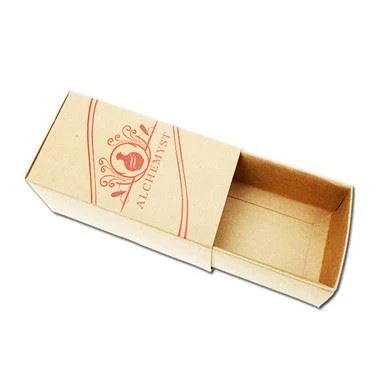
When I work with clients to design storage boxes, the process never starts with cutting paper. It starts with understanding what the box will hold, where it will live, and how it will be used. If you’re a small e-commerce business shipping handmade pottery, your storage box needs extra cushioning and reinforced corners. If you’re organizing a kid’s playroom, it needs to stack easily and have enough space for art supplies without bending. If you’re storing holiday decorations in a basement, it needs to resist moisture and not crumble after a year in a damp spot. That’s the foundation of any good storage paper box—knowing your “why” before your “how.”
Let’s break this down step by step, starting with the basics. First, you need the right type of paper. Not all paper is created equal, and as a supplier, I can’t stress this enough. The two most common types of paper we use for storage boxes are corrugated board and solid bleached sulfate (SBS). Corrugated board is made of three layers: a flat linerboard, a wavy corrugated medium, and another flat liner. This structure makes it incredibly strong, lightweight, and shock-resistant—perfect for moving boxes, shipping containers, or heavy items like books or tools. SBS, on the other hand, is a single, smooth sheet of paperboard that’s rigid and easy to print on. It’s great for decorative storage boxes that live on shelves, like gift boxes or keepsake boxes, since it looks clean and professional. For most standard storage needs—whether at home or for a small business—corrugated board is the go-to choice because it balances strength and cost-effectiveness.
Next, sizing. A box that’s too small will force you to cram items in, leading to bent edges or damaged contents. A box that’s too big will waste space when stacking and require extra material to fill, which is bad for both storage efficiency and sustainability. I always recommend using the “inside dimension” method when measuring. That means measuring the height, width, and depth of the items you’re storing, then adding a ¼-inch gap on each side. This small space lets you slide items in easily without leaving too much room for them to shift during storage or transport. For example, if you’re storing a stack of 8.5×11-inch notebooks that are 2 inches tall, your inside dimensions would be 9 inches wide x 12 inches long x 2.25 inches tall. That’s a small detail, but it makes a huge difference in how functional the box is.
Now, the actual construction. For a basic corrugated storage box, there are two main styles: regular slotted containers (RSCs) and half-slotted containers (HSCs). RSCs are the most common—they have four flaps that meet in the middle when closed, and they’re easy to assemble without glue. HSCs, as the name suggests, only have two flaps, so they’re used for boxes that need to stay open often, like bin-style storage for shelves. If you’re making a custom box, though, you might add reinforced corners or handles to make it easier to carry. Here’s a quick breakdown of how to assemble a standard RSC, which works for most home and small business storage needs:
- Lay your cut corrugated board flat. You’ll have a base, four side panels, and four flaps (two long, two short) on the top and bottom.
- Fold the side panels up so they form a rectangle. Make sure the edges are aligned evenly—if they’re off by even an eighth of an inch, the box will be wobbly.
- If you’re using glue (which is a good idea for heavy items, since taped corners can come loose over time), apply a thin line of craft glue or hot glue along the edge where the sides meet. Press them together firmly for 10 seconds, then set it aside to dry for five minutes.
- For the bottom flaps: Fold the two shorter flaps in first, then the two longer ones. The longer flaps should overlap in the middle, and if you’re using tape, apply two pieces of heavy-duty packing tape across the seam. If you glued the sides, the bottom will already be sturdy enough, but tape adds extra security for items over 10 pounds.
- For the top flaps, you can leave them open if you’re accessing the box often, or fold them down and tape them closed for long-term storage. If you want a more polished look, you can add a lid that’s slightly larger than the base, so it fits over the top like a cap.
I know a lot of people prefer to make their own boxes at home, and that’s fine for small projects. But here’s what most DIYers miss: the quality of the adhesive and the way the box is scored. Scoring is the process of creating a faint indentation in the paperboard so it folds evenly without cracking. If you don’t score the paper, your corners will bend unevenly, and the box will be weak. As a supplier, we use automated scoring machines that create consistent, deep indentations, which is why professional boxes are more durable than most DIY ones. We also use water-based, food-safe adhesives when needed (for boxes that will hold things like snacks or craft supplies) and heavy-duty hot-melt adhesives for shipping boxes that will be moved multiple times.
Another key factor for storage boxes is moisture resistance. If your box is going in a basement, garage, or any spot that might get damp, you need to add a layer of protection. We offer coated corrugated board that repels water, which is perfect for outdoor storage or areas with high humidity. For DIYers, you can spray a light coat of clear acrylic sealant on the inside and outside of the box after it’s assembled, but make sure it’s fully dry before putting items in. Avoid using regular tape in damp areas, because it can peel off easily. Instead, use water-resistant packing tape or reinforced strapping for extra strength.
Now, why choose a custom paper box from a supplier like me instead of store-bought options? Let’s talk about long-term value. A $2 store-bought box might seem like a good deal, but if it only lasts a few months before it crumples, you’ll have to buy another one. A custom storage box from us is made to order, so it fits your exact needs—whether that’s a box for 50 sets of baby clothes, a bin for your small business’s product shipments, or a decorative box for your vinyl records. We also offer eco-friendly options: all our boxes are made from 100% recycled paperboard, and we use minimal packaging materials during shipping. That’s something that’s important to a lot of our clients, from families trying to reduce their carbon footprint to small businesses marketing themselves as sustainable.
I’ve had so many repeat clients over the years because we don’t just sell boxes—we solve problems. A client who runs a kids’ clothing boutique came to me last year because her store-bought shipping boxes were too big for the small onsies she sells. We made custom-size corrugated boxes that fit exactly one pack of onsies, which cut her shipping costs by 15% because she could fit more boxes in each shipment. Another client, a teacher, needed storage boxes for her classroom’s art supplies that were stackable and had labels. We added a matte finish to the boxes so they could be written on, and designed them to stack three high without tipping over, which saved her 2 feet of shelf space.
When you’re ready to make storage boxes that work for you, whether for home, business, or both, it’s important to work with a supplier who listens. Don’t just send a generic request for “paper storage boxes.” Tell us what you’re storing, where the boxes will be used, how many you need, and any special requirements—like handles, moisture resistance, or branding. We can help you choose the right paper type, size, and design so your boxes are functional, durable, and even look good.

If you’re tired of flimsy storage boxes that don’t fit your needs, or if you’re a small business looking for reliable packaging solutions, I’m here to help. My team and I have worked with hundreds of clients to create custom paper boxes that stand the test of time, and we’re ready to help you next. Whether you need a single prototype or a large bulk order, we can accommodate your timeline and budget. Reach out to our team to discuss your storage box needs—we’ll walk you through every step, from design to delivery, to make sure you get exactly what you’re looking for.
Paper Box References
- National Paperbox Association. (2022). Corrugated Board Specifications for Storage Packaging.
- Sustainable Packaging Coalition. (2021). Guide to Custom Paper Storage Box Design and Durability.
- U.S. Small Business Administration. (2020). Choosing Packaging Materials for Small Shipping Operations.
- International Organization for Standardization. (2019). Standard for Scoring and Cutting Paperboard for Rigid Boxes.
Humen Hengyue Paper Products Factory
As one of the most professional paper box manufacturers and suppliers in China, we offer a wide range of products with superior quality. We warmly welcome you to buy premium paper box at competitive price from our factory. If you have any enquiry about free sample, please feel free to email us.
Address: No.21, Lane 5, Xipan Road, Dongfeng Industrial Zone, Humen Town, Dongguan City.
E-mail: joe@hengyuanprinting.com
WebSite: https://www.hengyueprinting.com/
