When I first started my journey as an adult underpad supplier back in 2012, I didn’t anticipate how many questions would cross my desk every week. But one query has stuck with me more than any other: “Can adult underpads be used for wheelchairs and beds?” It’s a practical, relatable question that comes from caregivers, patients, and even facility managers who are trying to streamline care without sacrificing comfort or convenience. Today, I want to break this down not just as a supplier, but as someone who’s spent a decade talking to the people who use these products daily. Let’s get to the heart of it. Adult Underpad
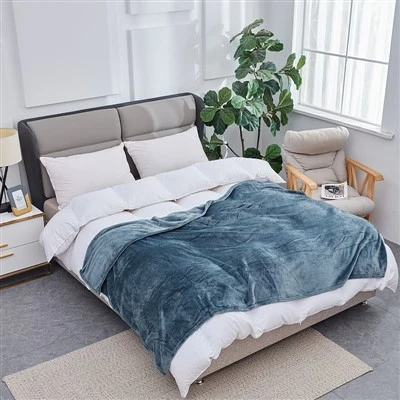
First, let’s clarify what adult underpads (sometimes called bed pads or chucks) are, because there’s a lot of misinformation floating around. Simply put, they’re absorbent sheets designed to protect surfaces from urine, feces, or minor spills. They typically have three layers: a soft, top layer that feels gentle on skin, an inner core that locks in moisture to prevent leaks, and a waterproof back layer that repels liquid. That core design makes them versatile—but does that versatility extend to wheelchairs, too? The short answer is: Yes, but with important distinctions based on the type of pad, the user’s needs, and the wheelchair’s design.
Let’s start with the bed side of the question, because that’s where most people are familiar with adult underpads. For bedridden patients or those who spend most of their time in bed, underpads are non-negotiable for many. I’ve seen caregivers use them on twin beds, hospital beds, even couch beds for post-surgery recovery. The science here is straightforward: the pad’s waterproof back creates a barrier between the mattress and any accidental leaks, while the absorbent core keeps the user’s skin dry. If a patient has incontinence, limited mobility, or is recovering from an injury that makes bathroom trips hard, placing an underpad on the bed’s sheet layer (or directly on the mattress for heavy-duty models) can reduce laundry loads, prevent expensive mattress replacements, and cut down on the risk of skin breakdown—something we all know is a top priority for caregivers and healthcare providers.
But here’s the part that surprises a lot of people: wheelchairs are actually a more common use case than many realize. Think about it: a person who uses a wheelchair might spend 8 to 12 hours a day sitting. If they have incontinence, constant pressure can increase the risk of leaks, and a wet seat can lead to discomfort or skin issues. Wheelchair seats aren’t designed to be as easy to clean as regular bed sheets, so an underpad works here too. But not just any underpad—you have to pick the right one for the job.
Standard bed underpads, the kind you’d use for a night in bed, are often too thick or bulky for wheelchairs. If you place a bulky pad on a wheelchair seat, it can shift when you move, create uneven pressure points, and even make the wheelchair less stable. That’s why our company developed a thin, lightweight wheelchair-specific underpad a few years ago—we heard so many customers complain that regular pads didn’t fit right. These models are usually 1/8 inch thick instead of 1/4 inch, with a non-slip bottom layer that grips the wheelchair seat fabric so it doesn’t slide when the user leans forward or maneuvers through a doorway. They’re absorbent enough for light to moderate incontinence, and thin enough that they don’t interfere with the wheelchair’s seat cushion’s ability to distribute weight—something critical for people who spend long hours sitting and are at risk for pressure ulcers.
Now, I want to address a common myth I hear all the time: “Using an underpad on a wheelchair will make me sweat more.” That’s only true if you pick the wrong pad. Some cheap underpads on the market have a plastic back layer that traps heat and moisture against the skin, which is the last thing anyone wants when sitting in a wheelchair for hours. At our company, we use a breathable waterproof membrane instead of plastic for most of our pads—this lets air circulate while still blocking leaks. Caregivers who switch to these breathable models tell us their patients report less irritation, and there’s no increase in sweat. It’s a small design change, but it makes all the difference for daily use.
But what about heavy-duty cases? If someone has severe incontinence—like post-surgery patients with limited control, or elderly individuals with advanced dementia—can they use the same underpad for both bed and wheelchair? Absolutely, as long as the pad is heavy-duty enough. Our heavy-duty adult underpads can hold up to 1,500ml of liquid, which is more than enough for both a full night in bed or multiple hours in a wheelchair. The only caveat here is size: a heavy-duty 36×36 inch pad is great for a full hospital bed, but a 24×36 inch pad is the ideal size for a standard wheelchair seat. Using a pad that’s too big can bunch up under the user’s legs, causing discomfort, while one that’s too small won’t cover the entire seat, leading to leaks.
Another point to consider is reusability vs. disposable underpads. That’s a big debate among caregivers, and it ties directly to whether you’re using the pad for bed or wheelchair. Disposable pads are perfect for people who don’t want to do laundry—caregivers can just replace a used pad once a day, which cuts down on time spent on care. For wheelchairs, disposable pads are also ideal because you don’t have to worry about washing and drying a fabric pad if it gets soiled. Reusable underpads, on the other hand, are a more cost-effective option for people who use them 24/7. They’re made of soft, washable fabric and can be used for both bed and wheelchair, as long as you have enough to rotate through. I always tell customers: if you’re on a fixed budget, reusable pads are great for long-term use, but disposable ones are better for travel or short-term care.
Now, let’s talk about the practical benefits from a supplier’s perspective, because I know caregivers are always looking to save money without cutting corners. Using underpads for both bed and wheelchair means you don’t have to buy separate products for each space. That’s a big win for small home care agencies or family caregivers who are watching their expenses. I’ve had customers tell me they used to buy one type of pad for their mother’s bed and a different, more expensive one for her wheelchair—now they just use our standard heavy-duty pad for both, and they save 30% on their monthly supply costs. It’s a simple change, but it adds up over time.
But I also want to be honest about the limitations. Adult underpads aren’t designed to replace medical supplies for severe incontinence, and they shouldn’t be used as a substitute for incontinence products like briefs or catheters. If a patient has daily, large-volume leaks, combining an underpad with a brief is the best approach. For wheelchairs, I always recommend pairing a wheelchair underpad with a seat cushion that has its own waterproof cover—this adds an extra layer of protection for the wheelchair’s seat, which can be expensive to replace. I’ve seen too many customers use an underpad as the only protection, only to have the wheelchair seat stained or damaged from repeated leaks. So it’s a tool, not a solution on its own.
Over the years, I’ve also noticed how use cases vary by age and mobility. A teen with a spinal cord injury might use a wheelchair for school, and an underpad on their seat helps them stay comfortable during long classes. An elderly couple caring for a spouse might use the same underpad for their spouse’s bed at night and their wheelchair during the day—no need to stock two different products. Even people who travel use underpads for both hotel beds and rental wheelchairs, since hotels rarely have protective covers for beds or seats. It’s a versatile product that fits into so many parts of daily life, which is why I’m passionate about making high-quality pads that work for every setting.
If you’re still unsure whether adult underpads are right for your specific needs, here’s a quick checklist:
- Are you dealing with minor to moderate incontinence? If yes, underpads will work well for both bed and wheelchair.
- Do you prioritize breathability to avoid skin irritation? Look for pads with a breathable membrane instead of plastic.
- Do you use the same space (like a bedroom that doubles as a living area)? Reusable underpads can be used on both beds and couch beds, and even wheelchair seats during the day.
- Are you on a budget? Using one pad type for multiple surfaces reduces costs and simplifies care.
At the end of the day, the question “Can adult underpads be used for wheelchairs and beds?” isn’t a yes or no answer—it’s a “yes, as long as you choose the right pad for your needs.” I’ve worked with thousands of customers who’ve made this switch, and almost all of them tell me it’s made their care routine easier, less stressful, and more comfortable for the person they’re caring for. If you’re looking to stock up or test out a pad that works for both bed and wheelchair, we’re here to help. We can walk you through the different types, sizes, and absorbency levels to find exactly what fits your situation.
If you’re a caregiver, facility manager, or individual looking to streamline your care supply needs, get in touch with our team to discuss your requirements. We’re happy to provide samples, answer questions, and help you find the right adult underpad for both wheelchairs and beds.
Air Layer Fabric References
- Agency for Healthcare Research and Quality. (2020). Preventing Pressure Ulcers in Healthcare Settings: A Toolkit for Providers.
- National Association for Home Care & Hospice. (2021). Incontinence Care Products for Home Use: Guide for Caregivers.
- Journal of Clinical Nursing. (2019). Absorbent Underpads: Effect on Skin Integrity and Caregiver Burden.
- Rehabilitation Engineering Research Center on Wheelchair Safety. (2018). Wheelchair Seat Protection for Individuals with Incontinence.
Jiangsu Etang Household Products Co., Ltd.
We are one of the most professional adult underpad manufacturers and suppliers in China. With abundant experience, we warmly welcome you to buy bulk premium adult underpad made in China here from our factory. All customized products are with high quality and competitive price. Contact us for pricelist.
Address: No. 18 Nanhai Road, Siyang Economic Development Zone, Siyang County, Suqian City, Jiangsu Province
E-mail: etang216@js-et.com
WebSite: https://www.etangbedding.com/
