Hey everyone, thanks for popping into my corner of the industrial gear world! I’m Jake, and for the last 8 years, I’ve been running a small but tight-knit team that builds and services vacuum assisted pump stations – you know, those workhorses that keep wastewater plants, commercial buildings, and even food processing facilities from dealing with messy, overflowing sewage or waste buildup. I get so many questions from folks just stepping into this space, and one that comes up at least once a week is: “Wait, do vacuum pump stations even need to be vented?” It’s a totally fair question, and there’s way more to it than a simple yes or no – let’s break this down like we’re chatting over a coffee and a set of blueprints. Vacuum Assisted Pump Stations
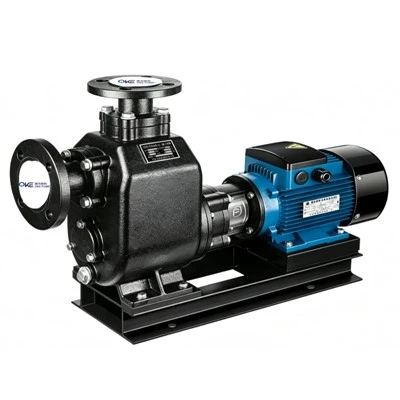
First off, let’s start with what a vacuum pump station actually does, because if you’re not deep in the trenches, it’s easy to mix this up with regular pump stations. A regular pump uses pressure to push waste down a pipe, right? A vacuum assisted station pulls a partial vacuum in the pipeline, which literally sucks waste along instead of shoving it. That makes it way better for long, uphill runs, or places where digging a bunch of deep, pressurized pipe is a nightmare – like rural subdivisions, multi-story hotels, or even some industrial sites. But when that vacuum is working, what’s moving through those pipes isn’t just water – it’s air, biogas, and sometimes those smelly, not-so-nice gases that come from organic waste breaking down. That’s where venting comes in, but let’s not jump the gun here.
Wait, let’s get the science basics out of the way, no textbook stuff, promise. When your vacuum pump is running, it’s creating negative pressure (that’s the “vacuum” part) in the piping connected to the station. As that pressure drops, dissolved gases – think hydrogen sulfide, methane, even tiny amounts of ammonia – escape from the wastewater. Those gases are part of why your regular sewer pump station smells like a port-a-potty that’s been left in the sun for a week. If your station was totally sealed, those gases wouldn’t have anywhere to go – they’d build up pressure inside the tank and the piping, and that’s a problem on two fronts: safety and performance.
Safety is the big one, let’s be real. Methane is flammable – super flammable, actually. If it builds up to between 5% and 15% in air, a single spark from a pump motor or a static electricity zap? Boom. That’s not hyperbole – I’ve seen (and helped fix) stations where a poorly sealed tank had enough methane buildup to set off a small explosion, which tore a hole in the tank side and put half the crew out of commission for a day. Then there’s hydrogen sulfide – that’s the “rotten egg” gas, and it’s toxic. At low levels, it just stinks, but at high levels, it can paralyze your sense of smell, and at really high levels, it’ll knock you out before you even realize what’s happening. We’ve had clients tell us they thought their station was fine because the smell wasn’t strong, only to find out a sensor picked up H2S levels that were 10x the safe limit because no air was circulating. Performance is the other side. If gases build up, they take up space in the tank that’s supposed to hold wastewater. That means you have to empty the station more often, which raises maintenance costs. Plus, those gases can get pulled back into the pump itself, causing cavitation – basically, air bubbles forming and collapsing in the pump, which ruins the impeller and makes the pump work way harder than it needs to. That cuts down on the pump’s lifespan by years, I’ve seen that too.
But here’s the thing – not all venting is created equal, and a lot of people get this wrong. I used to have a client who installed a basic 2-inch pipe sticking out the top of their station, like you’d vent a dryer. That was a disaster. Not only did it keep letting sewage smell escape into the parking lot, but it actually pulled too much air through the station, which messed with the vacuum pressure. Too much air in the pipeline means the pump has to work extra to maintain that partial vacuum, so their utility bills went up 30% in the first month. What we learned early on is that you can’t just cut a hole in the tank and call it a vent. It needs to be sized right, filtered, and designed to do two things: let built-up gases escape, but not let outside air in unless we want it to.
Wait, let’s talk about the common myths here, because those are half the battle. First myth: “If my station is indoors, I don’t need to vent it.” No way. Indoor stations are actually worse for gas buildup because there’s no natural airflow. A client in a downtown office building tried sealing their indoor station to keep smells out of the basement – that backfired so bad. The H2S levels got high enough that the building’s HVAC system started pulling the gas into the main floors, and people were complaining of headaches within a week. We had to add a vent with a carbon filter and a small exhaust fan to push the gases outside, and that fixed it right up. Second myth: “Vacuum pumps don’t produce gases, so venting is just for smell.” No, the gases are coming from the wastewater in the station and the piping, not the pump itself. The pump just pulls the air through, so if you don’t vent, those gases get trapped. Third one: “I can just use a regular vent from a plumbing store.” Nah, those are for small fixtures, not industrial pump stations. You need a vent that can handle the volume of air and gases your pump moves, and that’s resistant to corrosion – sewage gases are acidic, so regular PVC will crack in a couple of years.
Now, how do we design venting for a vacuum assisted pump station, specifically? That’s what we do, so I can walk you through our go-to setup. First, we calculate the size of the vent based on two things: the pump’s flow rate (how much air it’s pulling per minute) and the volume of gases that will escape from the wastewater. For most commercial stations, that’s a 4-inch or 6-inch vent pipe, not 2 inches like that first client did. Then, we add a flame arrestor – that’s non-negotiable for methane, right? It stops any spark from outside from getting into the tank and igniting the gases inside. We also add a vent filter, usually carbon, to trap the smelly compounds so they don’t blow into the neighborhood. Oh, and we tie the vent into a small exhaust system if the station is indoors, so we’re not just pushing gases around the room – we pull them straight outside.
Wait, what about low-flow stations, like the ones for a small 10-home subdivision? Do they still need to vent? Yeah, even small ones. The amount of gas might be less, but the risk is still there. I had a small rural client who tried skipping venting to save a couple hundred bucks, and after a year, their pump started having cavitation issues, and they had a small methane buildup that set off their gas detector. They ended up retrofitting a vent, and their pump’s lifespan went from 5 years to almost 12. That’s a big difference.
Is there ever a case where you don’t need to vent a vacuum pump station? Let’s be honest, very few, if any. The only exception I can think of is if it’s a tiny, totally enclosed station that’s connected to a sealed pipeline with a vacuum control system that actively removes gases. But even then, I’d still add a small vent with a monitoring sensor, just to catch any leaks. You can never be too safe when it comes to gases that are flammable or toxic.
Now, let’s talk about common mistakes we see, because we troubleshoot these all the time. One big one is undersized vents – people think smaller is cheaper, but it backfires on maintenance and safety. Another is not maintaining the vent filter. Carbon filters get clogged with dirt and sewage residue, so if you don’t replace them every 6 months to a year, they stop working, and the smell and gas buildup comes right back. We send every client a reminder, but I know some of them skip it, which leads to problems. And another mistake is not having a vent that’s high enough above the station – if it’s too low, wind can blow the gases back into the building or the piping, which creates a negative pressure that messes with the vacuum. We always mount our vents at least 10 feet high, away from windows or air intakes.
As someone who’s in the vacuum pump station game day in and day out, I’ll tell you: venting isn’t just a “nice-to-have” – it’s part of the design that keeps your station safe, efficient, and long-lasting. I’ve seen way too many clients cut corners on venting to save a few bucks, only to end up paying 10x more in repairs, fines, or safety incidents. When we build a station, we don’t just slap on a vent and move on – we size it right, add the safety features, and make sure it’s easy to maintain.
If you’re in the market for a new vacuum assisted pump station, or you’re having issues with an old one’s vent system, don’t guess your way through this. It’s not a DIY job for someone who’s not familiar with industrial pump systems. The right vent setup is specific to your site – whether it’s a small commercial building, a wastewater plant, a food processing facility, or a residential subdivision. I’ve worked with all kinds of sites, big and small, and I can help you figure out what you need without the guesswork.
So if you’re tired of your pump station smelling, dealing with high utility bills, or worrying about safety, hit us up to connect for a quote or to troubleshoot your current setup. Don’t let venting be an afterthought – it’s one of the most important parts of a well-designed vacuum pump station.
Inline Pump References:
- American Society of Civil Engineers. (2020). Design Guidelines for Vacuum Pump Stations in Wastewater Collection Systems.
- Occupational Safety and Health Administration (OSHA). (2021). Safety Standards for Confined Spaces and Industrial Gas Monitoring.
- Water Environment Federation. (2019). Operation and Maintenance of Vacuum Wastewater Collection Systems.
- National Fire Protection Association (NFPA). (2022). Standard for the Installation of Stationary Pumps for Fire Protection and Industrial Applications.
- International Association of Plumbing and Mechanical Officials (IAPMO). (2020). Uniform Plumbing Code for Vacuum Piping Systems.
Hangzhou Nanfang Ouke Pump Industry Co., Ltd.
As one of the most experienced vacuum assisted pump stations manufacturers in China, we have world-leading production equipment and strong manufacturing capabilities. Please feel free to wholesale bulk customized vacuum assisted pump stations from our factory. Welcome to contact us for pricelist.
Address: No.46, Renhe Subdistrict, Yuhang District, Hangzhou City
E-mail: Gy656169@outlook.com
WebSite: https://www.oukegroup.com/
