If you’ve ever stood in a rain-soaked job site, a remote cabin without power, or a emergency shelter after a storm, you know how much a portable diesel generator means. As a supplier of these units, I get dozens of questions every week from customers who want to stretch their fuel budgets, reduce their carbon footprint, or just make their generators work a little harder than the regular diesel they’re used to. The most common question? Can you use biodiesel in a portable diesel generator? Portable Diesel Generator

I get it. Biodiesel makes a lot of sense on paper. It’s made from renewable sources like soybeans, canola, recycled cooking oil, even algae, so it’s cheaper to produce in bulk than fossil diesel these days, and it has a lower carbon footprint—something both small business owners and homeowners care about right now. But here’s the thing: most portable generator owners don’t read the fine print in their unit’s manual, and biodiesel isn’t a one-size-fits-all fuel. Mixing it up incorrectly or using the wrong grade can turn a reliable power source into a broken headache, and as someone who’s been selling generators for 12 years, I’ve seen more than a few customers come back to our shop with clogged fuel filters, melted hoses, or even seized engines because they skipped the research.
First, let’s get the basics straight: biodiesel is labeled with a “B” rating. That number stands for the percentage of biodiesel in the fuel blend. So B20 is 20% biodiesel and 80% fossil diesel, B5 is 5%, and pure biodiesel is B100. The good news is that most modern portable diesel generators—ours included, for example—are compatible with blends up to B20. That’s the sweet spot. The EPA and most major engine manufacturers agree that B20 is safe for most on-road and off-road diesel engines, including the small, high-compression engines in portable generators. But I can’t stress this enough: that doesn’t mean B20 is universal, and it definitely doesn’t mean B100 is.
Here’s where a lot of people mess up. Older portable generators—units made before 2010, especially—often have rubber seals, gaskets, and hoses that weren’t designed to stand up to biodiesel. Pure biodiesel is a solvent, right? It breaks down the petroleum-based materials that old engines use to seal and line their fuel systems. If you pour B100 into a 2008 generator that still has the original rubber hoses, you’re going to have fuel leaks within a few hours. I’ve had a customer last year bring in a 2009 portable generator he used for his farm’s irrigation, and when he switched to straight biodiesel, the hose lining dissolved and plugged his fuel filter before he even finished irrigating his corn patch. That cost him three days of downtime and $800 in parts to fix—all because he didn’t check his manual.
Another thing to consider: cold weather performance. Biodiesel, especially blends higher than B5, gets gunkier in low temperatures than regular diesel. That’s because biodiesel has a higher cloud point—meaning it turns waxy at warmer temperatures than fossil diesel. If you’re using a generator in a place where winter temps drop below 32°F (0°C), even a B20 blend might start to cause issues. The wax crystals can clog fuel lines and filters, and if you’re relying on your generator for heat during a blizzard, that’s a dangerous problem. I always tell customers who live in cold climates to stick to B5 blends, or to add a cold-flow additive if they want to use higher biodiesel blends. I stock these additives in our shop, and they’re cheap insurance against a frozen fuel system.
Now, let’s talk about our own generators, since I’m on the sales side. We design every portable diesel generator we sell to accommodate up to B20, as long as it’s 100% clean and fresh. Wait, fresh is key. Biodiesel absorbs moisture from the air much faster than fossil diesel. If you store a fuel tank with biodiesel for more than 6 months, water will separate out, and bacteria will grow in that water. That’s a big problem because those bacteria can eat away at fuel lines, clog filters, and damage engine parts. I recommend that anyone using biodiesel in their generator never stores it for longer than 3 months, and to keep it in a sealed, dark container. If you have extra fuel, add a biocide to prevent bacterial growth—again, something we can supply right alongside your generator.
Some customers ask, why not just use B100 if it’s renewable? The main issue with pure biodiesel for portable generators is compatibility with the smaller, simpler fuel systems we build into portable units. Industrial or large generators that run 24/7 for factories or data centers often have reinforced seals and hoses that can handle B100, but portable generators are built for mobility, not for running nonstop for weeks on end. Most portable generators only run 500 hours a year at most, so their fuel systems are a bit more basic. If you really want to use pure biodiesel, you’ll need to modify your generator—upgrade the seals, hoses, and fuel tank to ones made with materials like fluorocarbon that resist breakdown from biodiesel. For most casual users, that’s not worth the cost or effort, especially since B20 gives you 90% of the environmental benefits of B100 without the compatibility issues.
I also get questions about performance. Does biodiesel make your generator run differently? For most users, no. Our generators run just as smoothly on B20 as they do on regular diesel, and fuel efficiency is almost identical—you might see a 1-2% drop in miles per gallon, but for portable generator use, that’s negligible. The only time you might notice a difference is if your engine is old and already has wear, because biodiesel’s lubricating properties can actually help older engines run a little quieter. That’s a bonus for people with beat-up generators they don’t want to replace. But keep in mind, if you’re running a generator for heavy loads—like powering a job site with multiple tools—you want consistent fuel. I’ve heard stories of B20 blends that had too much biodiesel or too little, leading to rough idling, but that’s a fuel quality issue, not a problem with the blend itself. Always buy biodiesel from a reputable supplier, not a random station or off-brand drum, because cheap biodiesel can have contaminants that will damage your engine.
So, putting this all together: when can you use biodiesel in a portable diesel generator, and when should you steer clear? If you have a generator made after 2010, it’s almost always B20-compatible. If you live in a moderate climate, you’re good with B5 or B20. If you need to use fuel that’s cheaper or more sustainable, blending up to 20% biodiesel is a no-brainer. But if you have an older generator, live in a cold climate, or want to use B100, you need to do your homework first. Check your unit’s manual—every major manufacturer lists the maximum biodiesel blend they recommend. If you can’t find your manual, reach out to us, and we can tell you what our generators support.
I’ve spent years working with portable generators, and my number one rule for customers is: don’t guess. Too many people hear “biodiesel is good” and run to the gas station to fill up their generator, only to have it break down when they need it most. That’s why I always tell people to plan ahead, test the blend in a small amount first, and keep your fuel clean. Biodiesel is a great alternative fuel, but it’s not right for every generator, and it’s not a replacement for proper maintenance.
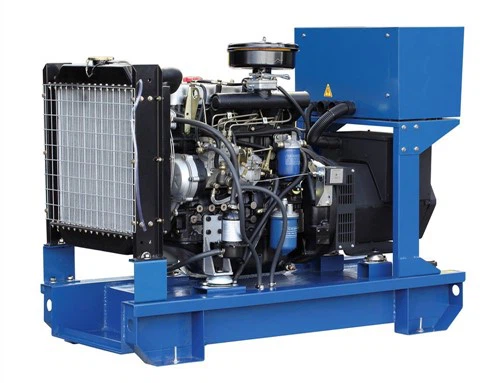
Now, if you’re in the market for a portable diesel generator that’s compatible with B20 blends, or you have questions about which biodiesel blend will work best for your needs, I’m here to help. As a supplier, we build units that are designed for real-world use—whether you’re powering a camping trip, a job site, or a backup power for your home. We can walk you through the right fuel options, help you with cold-weather tips, and make sure you get a generator that works for how you need to use it. Don’t leave your power source to chance—reach out to our team to discuss your requirements and find the right generator for your needs.
Portable Diesel Generator References
- Environmental Protection Agency. (2022). Biodiesel Handling and Use Guidelines for Diesel Engines. U.S. Environmental Protection Agency.
- Cummins Inc. (2021). Portable Diesel Generator Fuel Compatibility Standards. Cummins Power Generation.
- National Biodiesel Board. (2023). Biodiesel Blend Cold Weather Performance Guide. National Biodiesel Board.
- International Organization for Standardization. (2020). Standard for Automotive Biodiesel Fuel Blends (ASTM D7467). ISO.
- Portable Power Equipment Association. (2022). Maintenance Guidelines for Portable Diesel Generators Using Alternative Fuels. Portable Power Equipment Association.
Dianbida Power Equipment (Jiangsu) Co., Ltd.
We’re well-known as one of the leading portable diesel generator manufacturers and suppliers in China. We warmly welcome you to buy advanced portable diesel generator at competitive price from our factory. If you have any enquiry about pricelist and quotation, please feel free to email us.
Address: No. 23, Nanhuan Road, Jiangdu District, Yangzhou City, Jiangsu Province
E-mail: 19962469616@163.com
WebSite: https://www.js-dbdpower.com/
