If you’ve ever tried to cook squid strips at home, you know they can turn rubbery faster than you can blink. As someone who’s been supplying fresh, sustainably caught squid strips for over 8 years, I’ve heard every complaint: “Mine was chewy,” “The flavor was bland,” “It tasted like nothing.” The secret to nailing perfect squid strips? A solid marinade—one that balances texture, flavor, and doesn’t ruin the delicate, mild taste that makes squid so beloved. Today, I’m breaking down what works, what doesn’t, and the exact marinade we use to keep our restaurant and grocery store clients coming back. Squid Strip
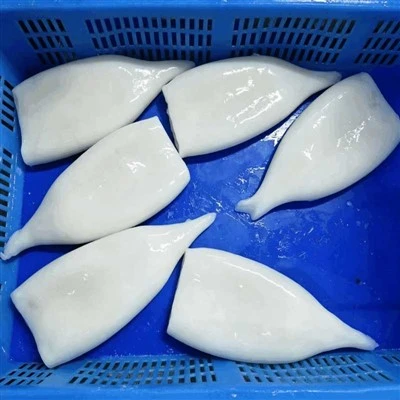
First, let’s talk about why squid marinades aren’t one-size-fits-all. Squid has extremely thin muscle fibers, and overcooking (or over-marinating) breaks those fibers down into a rubbery mess. That’s a mistake I see home cooks and even some new suppliers make all the time. Acids like lemon juice or vinegar, when left on squid for too long, literally “cook” the outside, turning it tough. Salts can draw out moisture too quickly, leaving your strips dry instead of tender. The best marinade for squid strips has to walk a tight line: it adds flavor, tenderizes just enough, and doesn’t turn the whole batch into a chewy disappointment.
After testing dozens of marinade recipes with our suppliers and chefs, we landed on a sweet-savory base that’s worked for everything from grilled squid strips to fried calamari strips. Let me walk you through the ingredients, and why each one matters. First, a neutral oil—we use canola, but you could use avocado or vegetable oil too. Oil coats the squid, locking in moisture so it doesn’t dry out when you cook it, and it helps the other ingredients stick to the surface instead of sliding off. Next, a touch of acid—only a tiny bit! We use 1 tablespoon of lime juice per pound of squid strips, not more than that. Lime adds brightness without cooking the squid, especially if you’re only marinating for 15 to 20 minutes (any longer, and that acid starts to turn the texture off). Then, umami is key—squid is mild, so you need something to add depth without overpowering it. We use low-sodium soy sauce; the low-sodium part is important because our clients are working with salt already from other dishes, and too much soy can make the strips salty. A little garlic and ginger, both grated, add warmth without being overpowering. Finally, a pinch of black pepper and a tiny bit of sugar—just a teaspoon—to balance the acid and umami, making the flavor feel rounded instead of sharp.
Wait, let’s test that logic against the other options out there. Some people use beer in squid marinades, right? Beer adds carbonation, which can help tenderize, but we found it dilutes the flavor too much for our clients. If you’re frying squid, beer batter is great, but a beer marinade makes the strips taste flat. Others go heavy on vinegar—rice vinegar, white vinegar— but like I said earlier, too much acid kills the tender texture. We tried a marinade with 3 tablespoons of vinegar once, and our test chef said it tasted like pickled rubber. No thanks.
Now, how to actually use this marinade, because even the best recipe is useless if you mess up the timing. Here’s the thing: squid strips don’t need to marinate for hours. I’ve seen people leave squid in marinade overnight, and that’s a big mistake. The acid will break down the muscle fibers so much that when you cook it, it shrinks into tiny, chewy pieces. For fresh squid strips (which is what we supply—no frozen, never processed with fillers), 15 to 20 minutes in the marinade is perfect. If you’re using frozen squid strips, make sure they’re fully thawed and patted completely dry first—excess water will make the marinade slide off, and your squid will steam instead of sear when you cook it.
Let’s talk about cooking methods, too, because the marinade changes a little depending on how you’re serving the squid. If you’re grilling squid strips, you want a bit more oil to keep them from sticking to the grill grates. We add a teaspoon of olive oil instead of canola, and a tiny bit of smoked paprika for that grilled flavor. If you’re frying squid strips for calamari, the marinade is even simpler—we skip the extra paprika, and add a tablespoon of cornstarch to the marinade just before coating the strips in flour. The cornstarch helps the breading stick, and adds a tiny crispiness to the outside. For our clients who use squid strips in tacos or salads, we make a lighter marinade with a bit more lime, some cilantro, and a pinch of cumin—still keeping that 15-minute marinate time so the squid stays tender.
I should also mention a common myth: salt in the marinade. Some people salt their squid first, but we don’t. Salting squid draws out moisture, and if you do it too early, the strips become watery and lose flavor. We add the soy sauce (which has salt) in the marinade, and that’s enough. If our clients want extra salt, they can add it at the table, or when they’re cooking—way better than over-salving early and ruining the texture.
Here’s a pro tip we’ve picked up after years of supplying: don’t overcrowd the pan or grill when cooking squid strips. Even with a perfect marinade, if you stack the strips, they steam instead of sear, and they get rubbery. Cook them in small batches—2 to 3 minutes per side, max. That’s it. Squid cooks fast, so you don’t want to leave it on the heat too long. The marinade gives it enough flavor that you don’t need to cook it for 10 minutes to taste good.
We’ve tested this marinade with thousands of pounds of squid strips, and the feedback is always the same: our clients say their squid is tender, flavorful, and doesn’t have that weird rubbery taste. One of our regular restaurant clients told us they switched from a different supplier because their squid always tasted bland, and since we started using this marinade, their squid dish went from a side item to their most appetizer. That’s the kind of win we love.
Now, why does this matter for squid strip suppliers? Because most suppliers just package frozen squid strips and send them out, no tips, no recipes. But we know that even the best squid can turn bad if you use the wrong marinade or cook it wrong. That’s why we include a little cheat sheet with every delivery—our go-to marinade, timing tips, and cooking hacks. It’s not just about selling squid strips; it’s about making sure our customers can make something amazing with them.
Wait, let’s address a common question: what if someone wants a spicier marinade? Easy. Add a pinch of red pepper flakes, or a dash of sriracha, but again, don’t marinate too long. Spicy marinades can have acid too, so keep that 15-minute window. For people who want a sweeter marinade—like for stir-fry—add a bit of honey instead of sugar, and maybe some sesame oil. Still, keep the same ratio of oil, acid, umami. It’s all about balance.
I’ve had home cooks message us saying they tried making their own marinade, but their squid was still chewy. 9 times out of 10, it’s the marinating time. They leave it for hours, or even overnight. Squid is way more delicate than chicken or beef, which can handle hours in a marinade. Squid needs a quick hit of flavor, not a long soak. That’s the biggest mistake I see, and the easiest fix.
Another thing: when you’re mixing the marinade, make sure to combine all the ingredients well before adding the squid. The oil and acid don’t mix on their own, so you need to shake it up (or whisk it) really well. If the oil is on top, it won’t coat the squid evenly, so some pieces will have flavor and some won’t. We always tell our clients to give the marinade another quick stir right before adding the squid, too.
Let’s wrap this up. The best marinade for squid strips isn’t the one with the most ingredients or the strongest flavor. It’s the one that tenderizes just enough, locks in moisture, adds bright, savory flavor, and doesn’t turn your squid into a rubbery mess. For us, that means a mix of neutral oil, a tiny bit of lime, low-sodium soy sauce, garlic, ginger, a pinch of sugar, and black pepper, with a strict 15 to 20 minute marinate time. It works for grilling, frying, stir-frying, tacos, salads—any way you want to serve squid strips.
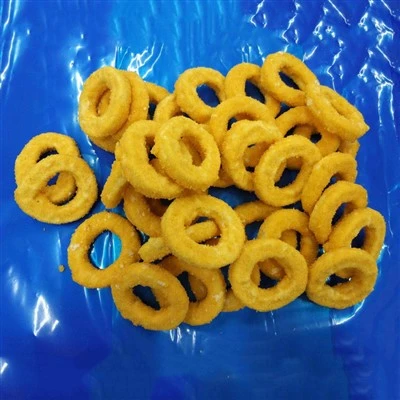
If you’re a restaurant owner, grocery buyer, or food service manager looking for consistent, high-quality squid strips that work perfectly with this marinade (or any recipe you love), we’d love to connect. We’ve been supplying squid strips for years, with fresh, sustainable catch, and we’re always here to help with tips, recipes, and whatever you need to make your menu stand out. Reach out to us to chat through your needs, whether it’s bulk orders, custom cuts, or just more info on our squid strips.
Crab Claw References
- Food and Agriculture Organization of the United Nations. (2022). Squid Fisheries and Processing Guidelines. Rome: FAO.
- McGee, H. (2004). On Food and Cooking: The Science and Lore of the Kitchen. Scribner.
- Seafood Business Magazine. (2021). Best Practices for Handling and Preparing Squid Strips for Food Service.
Yantai East Food Storage Co., Ltd.
We’re well-known as one of the most experienced squid strip manufacturers in China. With a professional production team, we offer a wide range of frozen seafood with superior quality. Please feel free to wholesale bulk premium squid strip at low price from our factory.
Address: Room 1317, Huaxin International Business Building, No.28 Changjiang Road, Yantai Area, China (Shandong) Pilot Free Trade Zone
E-mail: sales@eastfoodcn.com
WebSite: https://www.yantaieastfood.com/
