Hey everyone, thanks for stopping by this week’s post! Today I wanna talk about two cable compounds that get mixed up all the time—LSZH and PVC. I’m part of a company that makes LSZH cable compounds, and I’ve lost count of how many times clients have reached out confused, thinking they’re interchangeable. Spoiler alert: they’re not, and choosing the wrong one can cause way bigger headaches than just a confused contractor on a job site. LSZH Cable Compounds
First, let’s start with the basics. A cable’s outer jacket isn’t just a pretty cover—it’s what protects the internal wires, right? It keeps moisture, dust, and minor physical damage out. But the material you pick for that jacket changes everything, especially when things go wrong (like a fire, which is the big one here).
Let’s break down PVC first, since that’s the old standby most folks know. PVC stands for polyvinyl chloride, and it’s been used in cable jackets for decades because it’s cheap, super durable, and easy to mold. It works fine for stuff like extension cords for your home, or some older office cables where fire risk isn’t top of mind. But here’s the catch: when PVC burns, it releases some really nasty stuff. Think hydrogen chloride gas, which is corrosive and can eat away at metal equipment, plus it creates thick, black smoke that blocks escape routes during a fire. I’ve heard stories of buildings where a small electrical fire turned into a near-disaster because the PVC cables spewed so much smoke that people couldn’t find exits—way worse than the fire itself.
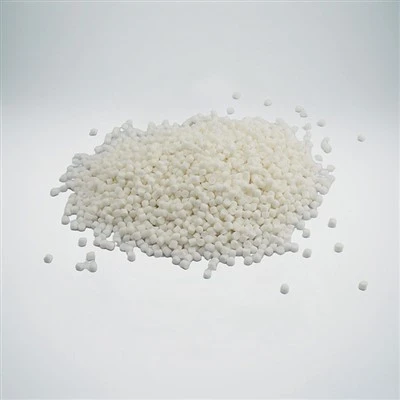
Now LSZH. That’s short for Low Smoke Zero Halogen, and that’s where we come in as a supplier. LSZH compounds are made to fix the exact problems with PVC, without skimping on the protection cable needs. The “low smoke” part is straightforward: when LSZH burns, it produces way less smoke than PVC—like 70-80% less, depending on the test. That’s huge for crowded spaces: office buildings, schools, hospitals, train stations, anywhere where people need to get out fast. The “zero halogen” part is key too—no hydrogen chloride, no other corrosive gases that can destroy equipment or hurt people who inhale them.
Wait, but let’s get specific, because it’s not just about fire. Let’s talk about other use cases. PVC is still the go-to for low-risk, low-budget projects, but LSZH is required in a lot of places now because of building codes. For example, in European Union’s CPR (Construction Products Regulation) or even in many US commercial building codes, if a cable is going into a public space with more than 10 people, LSZH is mandated. That’s not a random rule—it’s based on real fire tests where PVC-cable fires caused more injuries from smoke than flames.
I’ve had a few clients push back at first, saying “LSZH is more expensive than PVC, so why bother?” But here’s the thing: when you add up the long-term costs, LSZH often comes out ahead. Let’s say you’re outfitting a new office building. The upfront difference between PVC and LSZH cables is small, but the insurance premiums might be lower, and if there’s ever a small electrical issue, the damage to equipment from corrosive PVC fumes could cost way more than the extra for LSZH. Plus, if you’re in an area with strict fire codes, using PVC can get you fined or even have the project shut down mid-install.
Another point: shelf life and flexibility. PVC can get brittle over time, especially if it’s exposed to extreme temperatures or UV light. That means after a few years, the jacket might crack, letting moisture in and damaging the internal wires. LSZH compounds, on the other hand, are engineered to hold up better in fluctuating temps, so they last longer. I’ve seen PVC cables go bad in 5 years in a warehouse with big temp swings, but LSZH ones there still look and work like new after 10.
Wait, but let’s clear up a myth some people have: LSZH isn’t just “non-flammable.” It still burns if you put a direct flame to it, but it self-extinguishes when the flame is removed, which is the same as PVC. The difference is what happens while it’s burning—no thick smoke, no corrosive gases. That’s the part that saves lives.
I remember a client who worked on a new hospital wing. They initially went with PVC because of cost, but the fire marshal did a test and pointed out that hospitals have patients who can’t move fast, so smoke inhalation is a huge risk. They switched to LSZH, and later told us that even a small electrical leak in one room only released a faint wisp of smoke instead of a cloud that would have filled the hallways. That’s the kind of win LSZH brings.
Now, as a LSZH cable compounds supplier, I’ll be honest: we don’t tell everyone to ditch PVC entirely. It’s perfect for things like a backyard extension cord for your grill, or a temporary cable for a construction site where cost is king and space is empty, so smoke isn’t a big concern. But if you’re working on a permanent, public, or high-traffic project, LSZH is the right call.
So how do you tell the two apart when you’re picking cables? It’s not always obvious by looking—both are usually gray or black jackets. The label on the cable will tell you: look for “LSZH” or “Low Smoke Zero Halogen” for that compound, or “PVC” if it’s the other one. If you’re not sure, that’s a good time to reach out to someone who knows, like us. A lot of buyers just go with whatever their usual supplier offers, but taking 5 minutes to confirm can save a lot of trouble later.
Another common question I get: is LSZH less durable than PVC? No, not anymore. Early LSZH formulas were a bit weaker, but modern compounds we make have the same tensile strength and abrasion resistance as PVC. They can handle being pulled through conduits, bent around corners, and even exposed to minor chemicals, so you don’t have to compromise on performance for safety.
Let’s talk about real-world numbers, because numbers help. Fire tests from the International Electrotechnical Commission (IEC) show that PVC cables release about 100 grams of smoke per square meter when burned, while LSZH releases less than 20. For a standard 100-meter office cable run, that’s a huge difference—enough smoke to fill a 1000-square-foot room with toxic gas with PVC, vs. almost nothing with LSZH. And when it comes to corrosive gases, PVC produces hydrochloric acid that can eat through electrical panels, while LSZH produces almost none, so even if there’s damage, it’s way easier to clean up.
I’ve also had clients ask about recycling. PVC is notoriously hard to recycle because of the additives used to make it flexible, which can leach into the environment. LSZH compounds, on the other hand, are made with recyclable materials, so they’re more eco-friendly. That’s another big plus for companies that are trying to reduce their carbon footprint.
Wait, but let’s not gloss over the downsides of LSZH—just to be honest. It is more expensive upfront than PVC. The manufacturing process is a bit more involved, since you have to remove the halogens and control the smoke output, so that cost gets passed on. But like I said earlier, when you factor in fire safety, code compliance, and longer lifespan, it’s often a worthwhile investment. For example, a school might spend 10% more on LSZH cables, but they avoid the risk of a fire that closes the school for weeks or months, which would cost way more in lost tuition and repairs.
As a LSZH cable compounds supplier, our whole job is to make sure that LSZH is accessible for projects that need it. We work with installers, contractors, and project managers to explain the difference, test our compounds to make sure they meet all industry standards (like IEC 60332-1-2 for flame resistance, IEC 61034 for smoke density), and make sure our products are easy to source. We don’t push LSZH on projects where PVC makes sense, but we make sure that when someone needs LSZH, they can get a high-quality product that does exactly what it’s supposed to.
So to wrap this up: PVC is cheap, works for low-risk, temporary, or small projects, but has major fire and safety downsides for public spaces. LSZH is designed to fix those downsides—less smoke, no corrosive gases, same durability as PVC, and required by most modern fire codes for high-traffic areas. The key is matching the compound to the project, not just picking whatever is cheapest or most familiar.
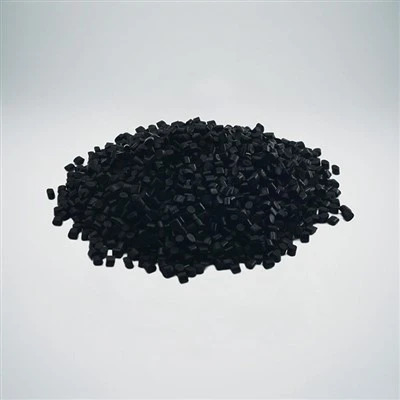
If you’re in the market for cable compounds, or you’re working on a project and aren’t sure which one you need, don’t guess. Reach out to us to talk through your needs. We can help you figure out if LSZH is the right fit, or if PVC will work better for your specific use case. No sales pitch, just straight talk—we’ve been in this long enough to know that the best choice is the one that works for your project, not the one that makes the most money for us.
TPE and TPR Compounds References:
- International Electrotechnical Commission. IEC 60332-1-2: Tests on electrical cables. Vertical flame test for single cables. 2018.
- International Electrotechnical Commission. IEC 61034: Measurement of smoke density of cables burning under defined conditions. 2013.
- Construction Products Regulation (CPR). EU Regulation 305/2011 on construction products. 2011.
- National Fire Protection Association. NFPA 70: National Electrical Code. 2023 Edition.
- Cable Technology Laboratories. Comparative Fire Performance of LSZH and PVC Cable Jackets. 2022.
Opta New Materials (Jiangsu) Co., Ltd.
As one of the most professional LSZH cable compounds manufacturers and suppliers in China, we also support customized service. We warmly welcome you to buy bulk durable LSZH cable compounds from our factory. If you have any enquiry about free sample, please feel free to email us.
Address: No.80, Jingang Avenue, Zhenjiang New Area, Zhenjiang City, Jiangsu Province, China.
E-mail: le.yin@optachem.com
WebSite: https://www.optanewmaterials.com/
